A Comprehensive Introduction to the Benefits and Common Culinary Uses of Lilies
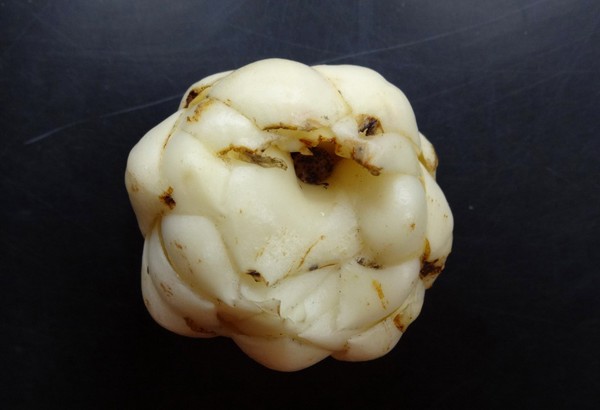
The lily is both an ornamental flower and a common ingredient used in both food and medicine. When people speak of the benefits of lilies, they usually mean the underground bulb, that is, the fresh and dried lilies commonly sold in markets; the parts eaten and used medicinally are basically the same.
According to traditional experience, lily bulbs are sweet in taste and rather cold in nature, and are often considered to moisten the lungs, stop coughs, clear the heart, and calm the spirit. For this reason, during dry weather or when the seasons change, many people like to cook lilies with silver ear fungus, lotus seeds, snow pears, and other ingredients in soups or congee. In terms of nutritional composition, lilies contain starch, protein, polysaccharides, and small amounts of vitamins and minerals, with the polysaccharide components drawing particular attention. It should be noted that these effects mostly come from traditional dietary habits; lilies are an ordinary food ingredient and cannot replace medicine, so anyone feeling unwell should still seek medical attention promptly.
In everyday cooking, lilies can be prepared in quite diverse ways: they can be simmered in soup, cooked in congee, or stir-fried, and they can also be paired with ingredients such as mung beans, pumpkin, and celery, giving a sweet, slightly glutinous texture. When choosing fresh lilies, those with thick, plump scales, natural color, and no off-odor are best; when selecting dried lilies, pay attention to whether the color is excessively white, so as to avoid buying products that have been over-fumigated with sulfur.
In addition, note that not all lilies can be eaten; some ornamental varieties are not suitable for consumption, so when buying, be sure to choose edible lily varieties. Lilies are rather cold in nature, so people with cold-deficient spleen and stomach or who are prone to diarrhea should not eat too much, and special groups such as pregnant women and young children had best consult a professional before eating them. Overall, only by eating them in moderation and pairing them with a balanced diet can lilies better fulfill their value at the table.
Related Reading