Growing Habits and Key Cultivation and Management Points for Star Anise Saplings
Star anise saplings are the young plants of star anise (Illicium verum), a spice and medicinal plant. Star anise is an evergreen tree, mainly distributed in the warm, humid southern regions such as Guangxi, Yunnan and Guangdong, and its fruit is what is commonly known as star anise, a frequently used spice in braised and stewed dishes, and it can also be used to extract star anise oil.
Star anise saplings prefer a warm, humid environment and are not tolerant of severe cold; during the seedling stage they are especially vulnerable to frost and direct strong sunlight, so appropriate shading is often needed during the nursery phase. It grows best in deep, well-drained, slightly acidic soil, and is intolerant of waterlogging that causes root rot.
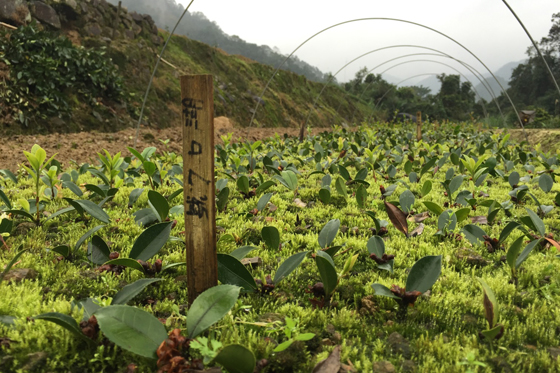
Propagation is mainly by sowing; it is best to select mature, plump seeds, keep the soil moist after sowing, and gradually increase light once the seedlings emerge. When transplanting, choose healthy seedlings with well-developed root systems and no pests or diseases; after planting, pay attention to watering to maintain moisture, apply appropriate supplementary fertilizer, and carry out weeding and cold protection. Star anise grows rather slowly, and it takes many years from seedling cultivation to flowering and fruiting, so early management focuses on building up the tree.
Once the grove is established, star anise can be harvested over the long term; the fruit can be used as a spice and medicinal material, and the branches and leaves can also be used to extract anise oil, giving it relatively high economic value. It should be noted that the fruits of plants such as Illicium anisatum, which resemble star anise in appearance, are toxic, so when buying saplings one should use proper channels, confirm the variety source, and avoid planting or using the wrong species.
Related Reading