A Detailed Guide to the Blooming Characteristics, Sowing and Care of Zinnias
Zinnia (Zinnia elegans) is an annual herbaceous flower of the genus Zinnia in the Asteraceae family, also known as the common zinnia, step-by-step tall, and opposite-leaf plum, and is native to the region of Mexico. The lifespan of a single flower is not particularly long, but because it keeps producing buds and blooming, its overall flowering period can last from summer all the way into autumn, for as long as several months, and this is where the name "hundred-day flower" comes from.
Zinnias range in plant form from short to tall; dwarf varieties are suited to potted culture and edging flower beds, while tall-stemmed varieties are mostly used for cut flowers and flower-sea plantings. Flower forms come in single and double types, and the colors are also very rich, with red, yellow, pink, orange, white, purple and more all available; the colors are vivid, and when they bloom in broad drifts the ornamental effect is truly spectacular.
Zinnias are generally grown from seed, and the most suitable time is after temperatures warm up in spring. Its seeds are relatively large and germinate easily; after sowing, the soil covering should not be too deep, and keeping the soil moist will bring seedlings up before long. Once the seedlings reach a certain height, thinning them appropriately or transplanting them, leaving enough spacing between plants and maintaining good air circulation, can effectively reduce disease later on.
For care, zinnias like a sunny, warm environment and are fairly heat-tolerant, but they fear waterlogging, so a well-drained soil is preferable. Water according to the principle of watering when dry and letting them dry out between waterings, avoiding standing water that rots the roots. Removing spent flowers promptly after blooming can reduce nutrient consumption and encourage the side branches to keep flowering; pinching once during the growing period can also make the plant form fuller.
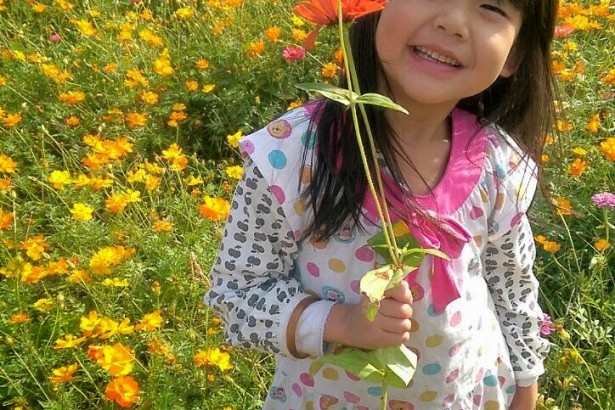
Because of its long flowering period, many colors, and easy management, zinnia is a commonly used flower in flower beds, flower borders, and ornamental flower seas, often combined with cosmos and others to create large areas of colorful scenery, and it also often attracts butterflies and other insects to visit the flowers, combining ornamental and ecological value.
Related Reading