Bellflowers are ornamental plants with bell-shaped blooms: common types and key care tips
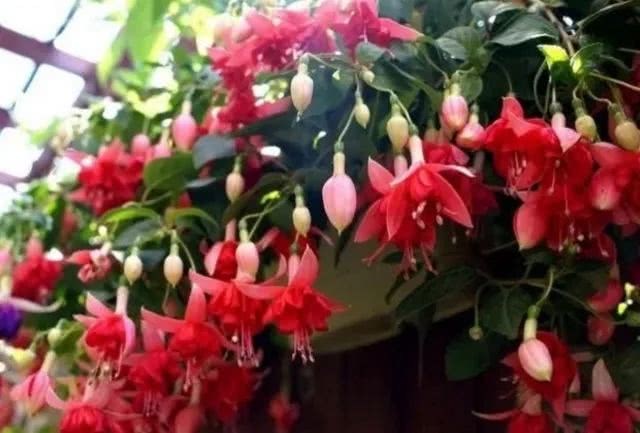
"Bellflower" is a general term for plants with bell-shaped or campanulate corollas, mostly used to describe ornamental plants whose flowers hang downward and look like little bells. Common bellflowers in everyday life include fuchsia, Forsythia viridissima, campanula, and Enkianthus quinqueflorus; they belong to different families and genera, but all are named for their distinctive flower shape. Among them, fuchsia, also known as lantern flower, has a calyx and petals that together look like a small hanging lantern, making it highly ornamental.
Although these plants have similar names, their forms and habits differ considerably. Fuchsia is a perennial shrub that prefers a cool, moist, semi-shaded environment and dislikes high heat and scorching sun; Forsythia viridissima is a deciduous shrub that blooms in early spring, with golden-yellow flowers and arching branches, and is often mistaken for forsythia, though the two differ clearly in leaf and flower form. Campanula is mostly herbaceous, with flowers facing upward or slightly nodding, and is often used in flower beds and as a potted ornamental.
The key to caring for bellflower-type plants is managing light and temperature. Most types like bright, indirect light; in summer they need shading and good ventilation, and in winter protection from cold. Watering should follow a wet-dry cycle, avoiding waterlogged pots that cause root rot; during the growing season, apply light fertilizer frequently, and after flowering promptly remove spent blooms and overly dense branches to encourage more flowers the following year.
Bellflowers have a unique flower shape and are suitable for pots to accent balconies and windowsills, or for planting in the ground for landscaping or use as cut flowers. Common problems are mostly dropped flowers and buds, usually caused by high summer temperatures, overly strong light, or improper watering, and they generally recover once conditions improve. When buying, check whether the leaves are healthy and the buds plump; after bringing them home, first place them in a ventilated spot with indirect light for a few days to acclimatize, then move them into normal care.