The Symbolism and Care of the "Wealth-Bringing Treasure" Flower at Home
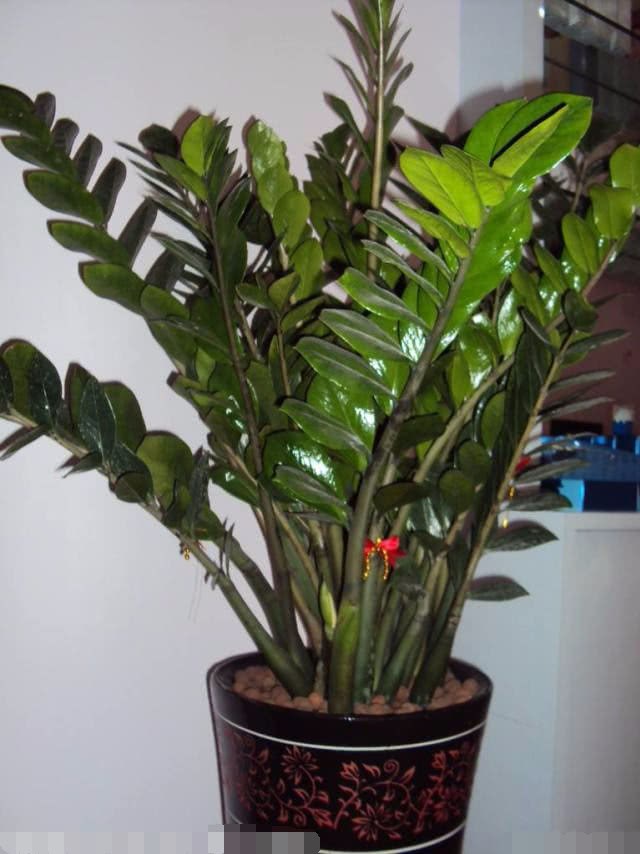
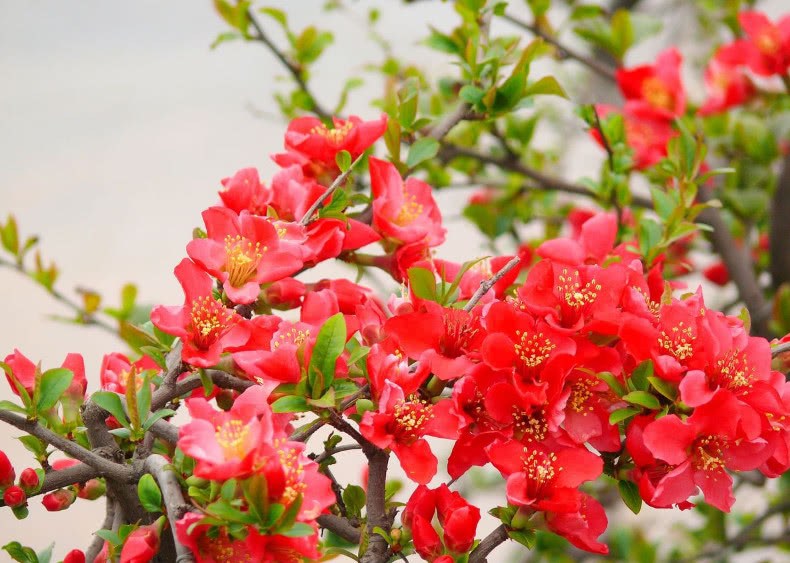
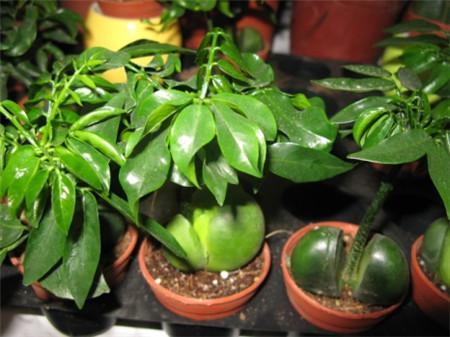
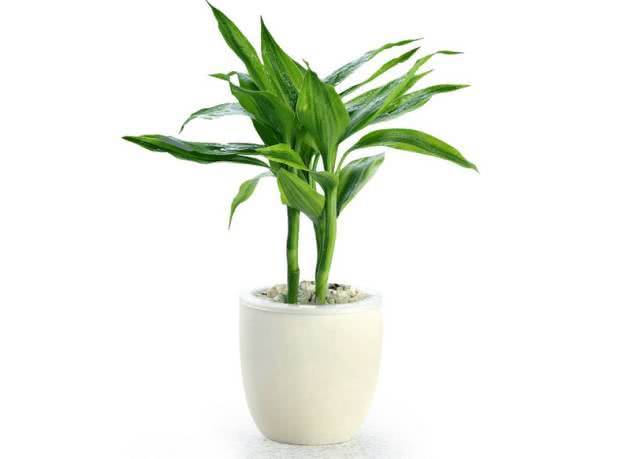
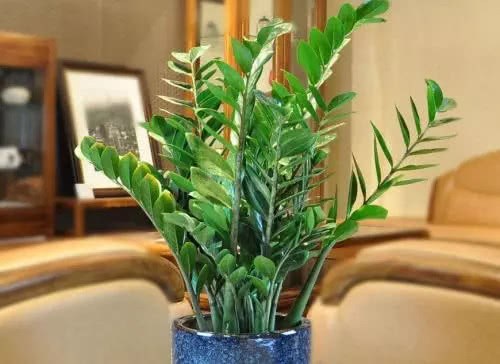
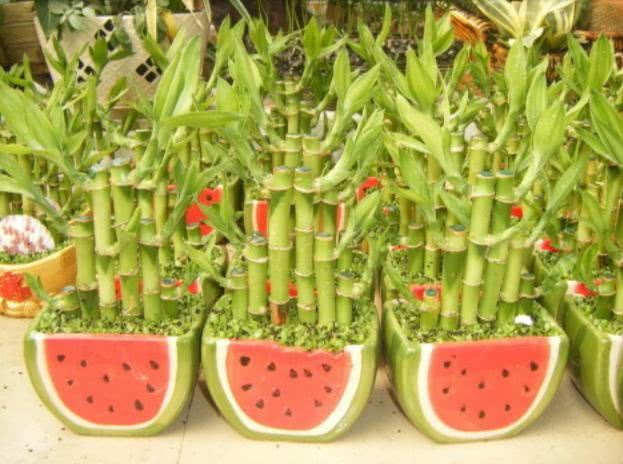
"Wealth-Bringing Treasure" is not a strict botanical name, but a common term in the flower market for a category of plants with auspicious symbolism. It most often refers to the pocketbook plant (Calceolaria), named for its flowers that resemble little money bags, and is sometimes used by vendors to refer to potted plants such as the ZZ plant (Zamioculcas zamiifolia), the money tree (Pachira aquatica), and lucky bamboo (Dracaena sanderiana). These plants have appealing names and are often used as Chinese New Year flowers or as gifts when visiting friends and relatives.
The pocketbook plant is short in stature, with pouch-shaped flower corollas that are mostly yellow or red with spots; when in full bloom it looks as though it is hung with rows of little purses, making it highly ornamental. Its blooming period is mostly concentrated in winter and spring, and it is suitable for placing in bright spots such as the living room or a windowsill. If it refers to foliage plants like the ZZ plant, these are known for thick, fleshy leaves and year-round green foliage, and are shade-tolerant and easy to care for.
As for care, these plants mostly prefer a warm, humid environment and dislike waterlogging and direct sun exposure. Water according to the principle of letting the soil dry before watering again, reduce the amount of water appropriately in winter, apply some dilute liquid fertilizer during the growing season, and promptly cut off spent flowers after blooming. In winter, also pay attention to keeping them warm, avoid direct cold drafts, and placing them in a bright spot indoors is better for growth.
One thing to keep in mind is that the symbolism of the "wealth-bringing treasure" flower is only a good wish; the real key to growing it well is understanding the plant's own habits. When buying, you can check whether the leaves are firm and upright and whether there are signs of pests or disease, so that it will be easier to keep it growing for a long time after you bring it home.
Related Reading