A Detailed Guide to the Care Methods and Flower-Promoting Techniques for Blooming Roses
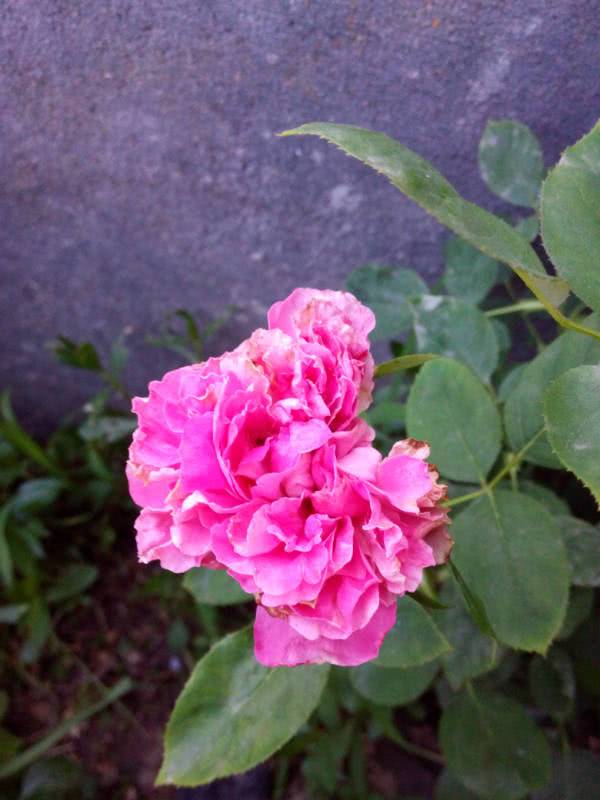
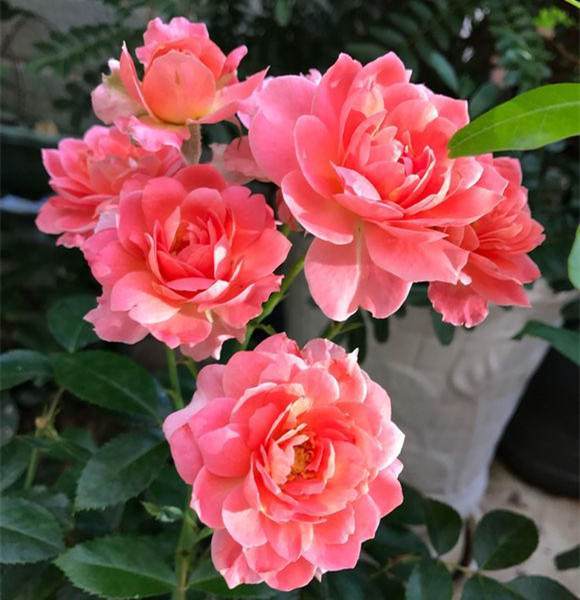
The blooming of roses is the stage that draws the most attention from flower growers in the rose growth cycle. The rose has long been known as the queen of flowers; with proper care, it can bloom repeatedly from spring to autumn, and some varieties can even bloom sporadically in winter in warm regions. The flowers come in a rich range of colors, including red, pink, yellow, white and various bicolor combinations, and most varieties have a delicate fragrance, giving them high ornamental value.
If you want roses to bloom abundantly and beautifully, light is the primary requirement. Roses are light-loving plants and should ideally receive plenty of direct sunlight every day; insufficient light easily leads to weak, spindly branches and fewer or even no flowers. As for watering, follow the principle of watering when dry and letting them dry out between waterings, and avoid long-term water accumulation in the pot, otherwise root damage will directly affect bud formation and blooming.
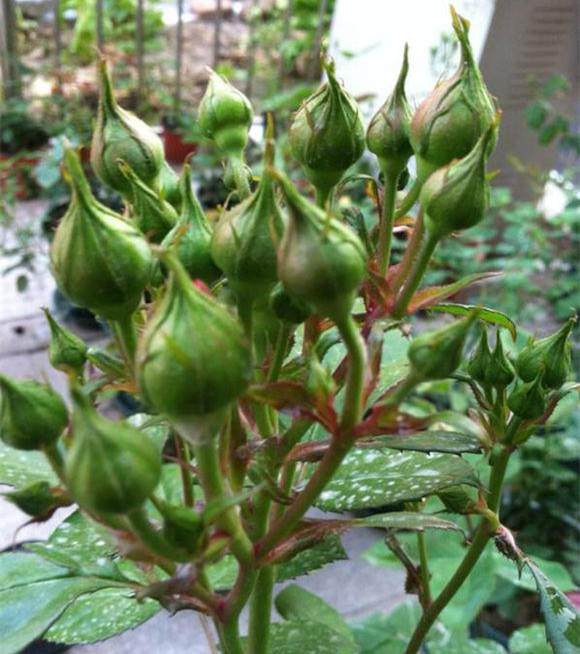
Pruning is equally important for promoting rose blooms. Promptly cutting off spent flowers and some branches after blooming can reduce nutrient consumption and encourage new shoots to sprout. Since most roses form flower buds on new shoots, reasonable pruning can make the next round of blooms more uniform. During the peak growing season, applying fertilizer mainly based on phosphorus and potassium also helps flower bud differentiation and bud formation.
In daily care, some problems are also commonly encountered, such as deformed flowers with irregular shape and blind shoots that only grow branches without blooming. Deformed flowers are mostly related to climate fluctuations, pests or pesticide damage; once found, they can be cut off directly to avoid consuming nutrients. Overall, by mastering the key aspects of light, water and fertilizer, and pruning, both the frequency and quality of rose blooms will improve noticeably.
Related Reading