The idea that cactus balls (Echinopsis, Mammillaria, etc.) protect against radiation is a misunderstanding; placing one next to a computer has very limited effect
Many people buy cactus balls after hearing that they can absorb computer radiation and that placing one beside the monitor will protect the body. In fact, this claim has no scientific basis. Computers and other electrical appliances emit low-frequency electromagnetic radiation, which is non-ionizing radiation with very low energy, and cactus balls simply do not have any special ability to absorb or block this kind of radiation.
The reason this claim spread is probably that cactus balls mostly grow in desert areas with intense sunlight and are exposed to ultraviolet rays for long periods, so some people assumed they could absorb radiation. But electromagnetic waves travel in straight lines, and a small potted plant can neither block nor absorb them; besides, today's LCD screens themselves emit very little radiation, so the hope of radiation protection will basically come to nothing.
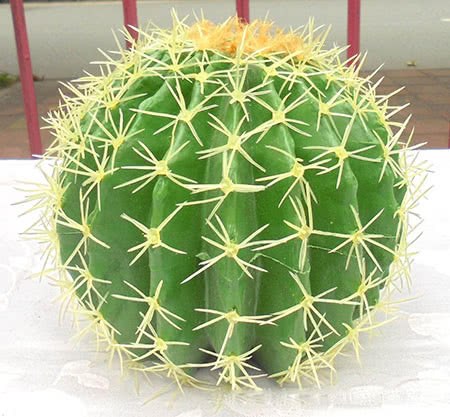
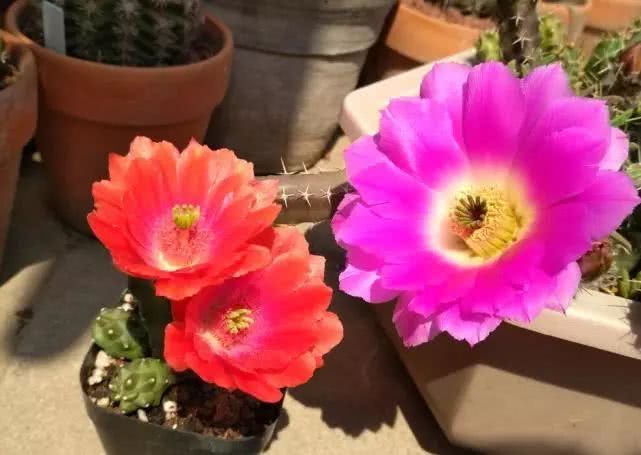
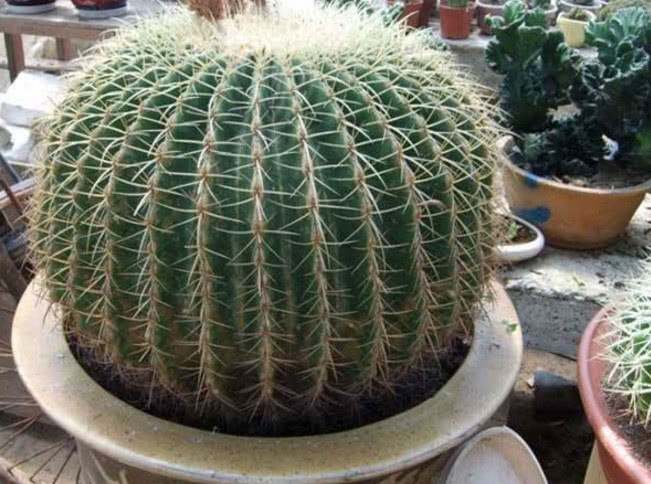
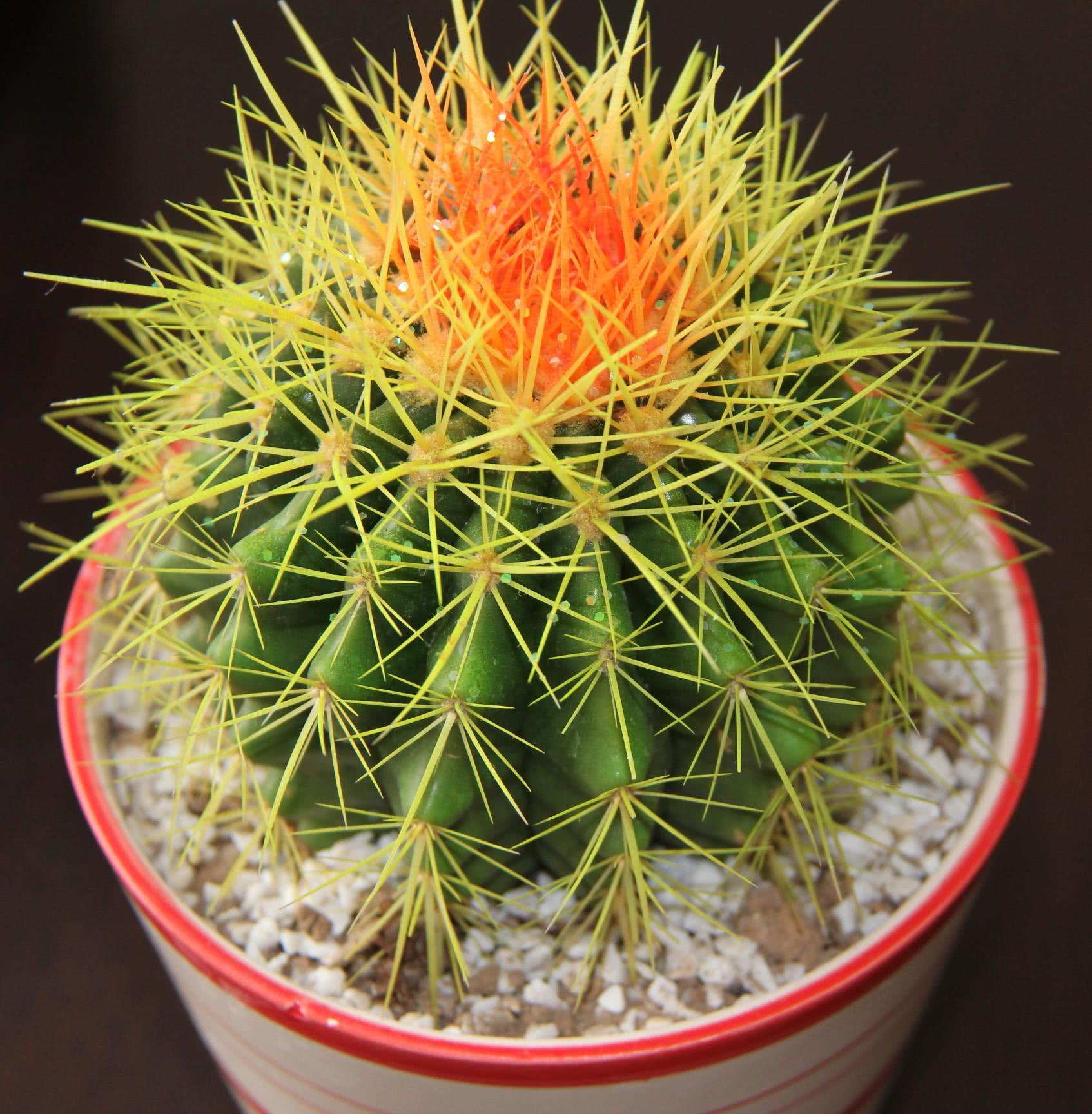
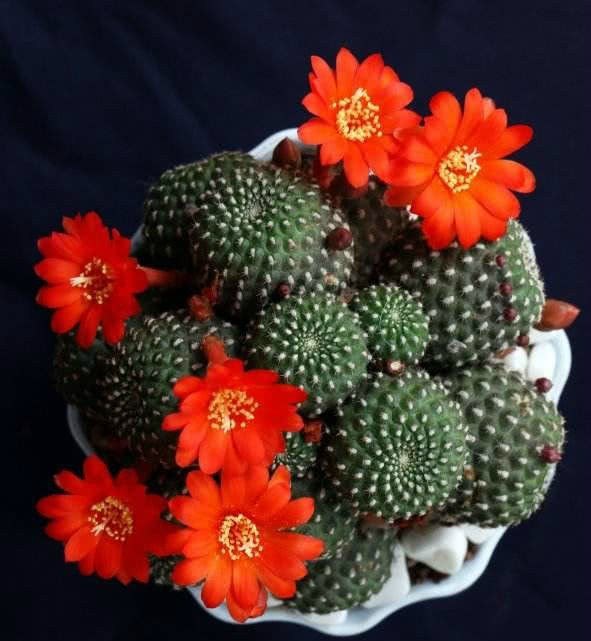
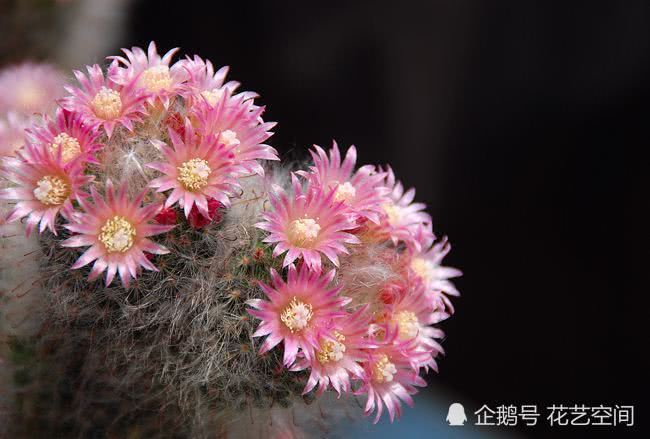
But just because it cannot protect against radiation does not mean a cactus ball is not worth growing. Its shape is rounded, its areoles are neat, and many varieties can even produce large, brightly colored flowers, making it very ornamental on a windowsill or desk. At the same time, it is drought-tolerant and tough, needing little watering, which makes it very friendly to busy office workers and beginning gardeners.
In daily care, be sure to give it plenty of sun, and follow the principle of not watering until the soil is dry, and when you do water, water thoroughly; in winter, keep the potting soil on the dry side and provide appropriate warmth. If you want a cactus ball to bloom successfully, water control to encourage flowering and spring care management are both key. Overall, growing a cactus ball is about something good-looking and low-maintenance, so there is no need to take the radiation-protection claim seriously.
Related Reads