Kerria is a deciduous shrub in the rose family that blooms with golden-yellow flowers in spring
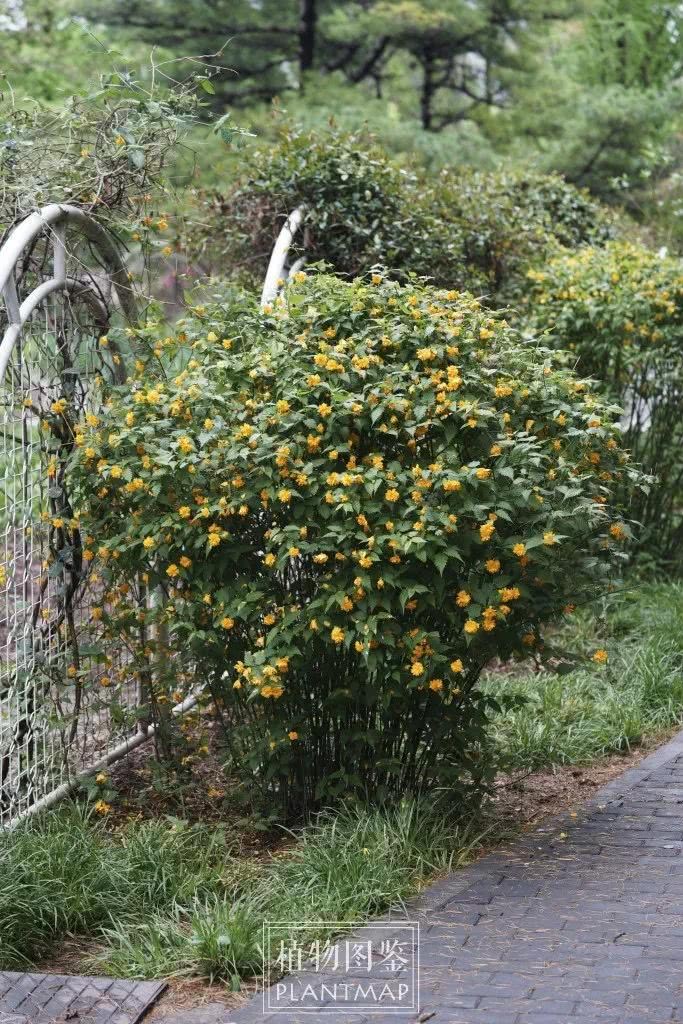
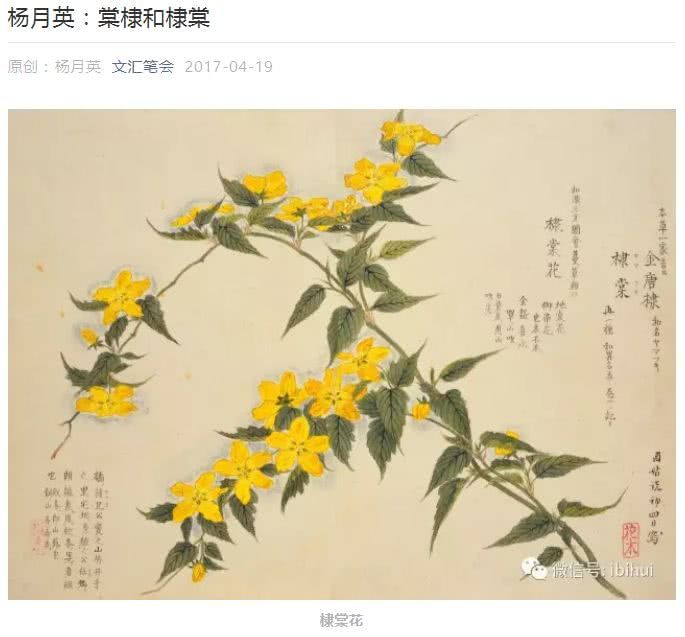
Kerria (Kerria japonica) is a deciduous shrub in the genus Kerria of the rose family, native to China and the temperate regions of East Asia. In various places it is also called Ditang, Huangyumei, or Jinditang. Its branches are slender and pliable, green throughout, and often arch downward, giving it a highly graceful posture. Each spring it bears small golden-yellow flowers, usually with five petals; when planted in masses, the golden blooms cover the branches and the ornamental effect is outstanding.
In gardens, besides the single-flowered species, the double-flowered kerria is more commonly seen, its petals layered one upon another and especially pleasing to look at; there are also cultivated varieties with yellow or white markings along the leaf margins, such as gold-edged and silver-edged forms, which are well suited to accenting flower borders. Kerria's flowering period is relatively long, and with proper care, scattered blooms will continue to open for some time.
Kerria prefers a warm, humid, semi-shaded environment and has a certain degree of cold hardiness, but it dislikes drought and intense direct sun. It is not demanding about soil, growing best in loose, fertile, well-drained sites. In courtyards it is often planted by water, in wall corners, along paths, or used as a hedge, and its flowering branches can also be cut for vase arrangements. Propagation is mostly by division and cuttings, which are simple to carry out and relatively easy to root; proper pruning after flowering not only keeps the plant tidy in shape but also encourages new shoots to sprout, bringing a more abundant bloom the following year.
It should be noted that the Changdi and Tangdi of ancient poetry and prose are not the same plant as what is today called kerria. It is generally believed that Changdi mostly refers to plants like the Japanese bush cherry, while Tangdi refers to something else as well, different from the kerria of the genus Kerria, and the two should not be confused when reading ancient poetry and prose.