How to Grow and Care for Wax Begonia (Four-Season Begonia): Methods and Points to Note
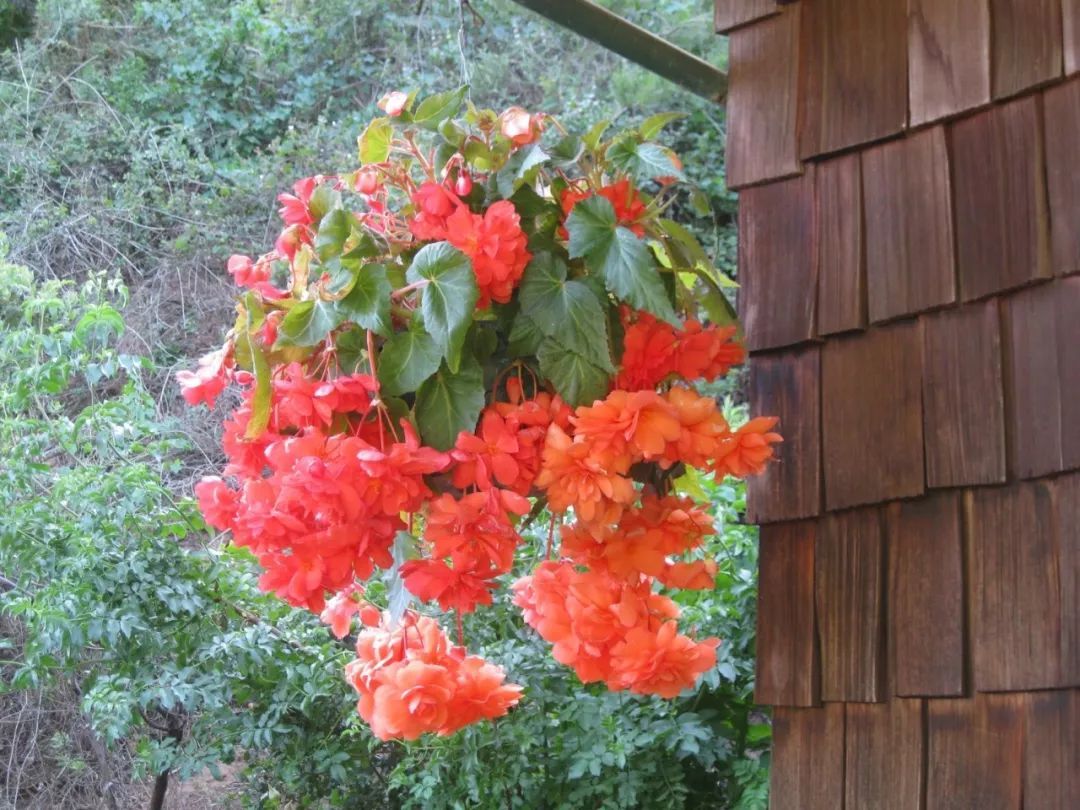
Wax begonia (Begonia semperflorens) is a perennial evergreen herbaceous plant in the genus Begonia of the family Begoniaceae, named for the fact that under suitable conditions it can bloom almost all year round. Its plant form is small and compact, its leaves are tender green and glossy, and its flower colors include red, pink, white and more. It is suitable both for potted ornamental display and is also often used in flower beds and flower borders, making it a very popular mass-market flower.
Its main features are a long flowering period and good adaptability. As long as the temperature is suitable and light and water are managed properly, it will successively form buds and bloom. Wax begonia likes a warm, humid, semi-shaded environment. It fears direct strong sunlight and is not tolerant of severe cold. When winter temperatures are low it needs to be moved indoors for warmth to keep the plant from freezing.
When caring for it, choose loose, fertile soil with good drainage, and water according to the principle of letting the soil dry before watering again. Never allow water to accumulate in the pot, otherwise root rot easily occurs. During the growing season, apply light fertilizer frequently; appropriately supplementing with phosphorus and potassium fertilizer can make flowering more abundant and more vivid. Usually it can simply be placed on a windowsill or balcony with scattered light, and in summer pay attention to shading and ventilation. Pinching and topping at the right time can make the plant form fuller with more branches, and the number of flowers will increase accordingly.
Wax begonia is suitable for accenting living rooms, studies and balconies, and can also be planted in masses to create a flower border landscape. Common problems in daily care include root rot, leggy growth and flower drop, mostly caused by overwatering or insufficient light; the plant can recover once the care method is adjusted in time. It is not difficult to propagate either. Cuttings or sowing are both relatively easy to succeed with, so even beginners can easily get started and grow a small display with flowers to enjoy in all four seasons.
Related Reading