What to Do When Plants Fear the Cold? Winter Cold-Protection and Warming Methods for Flowers and Plants
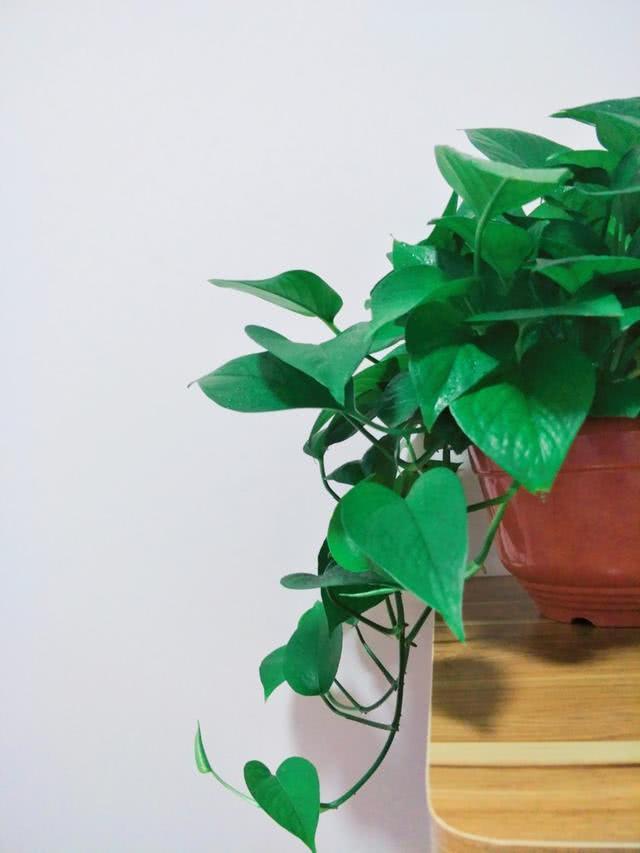
Being sensitive to cold is a common trait shared by many flowers and plants, especially varieties native to tropical and subtropical regions, such as pothos, gardenia, the money tree, and succulents, which are prone to frost damage or even death when exposed to low temperatures. After winter sets in and temperatures keep dropping, how to help cold-sensitive plants overwinter safely is an unavoidable part of keeping plants at home.
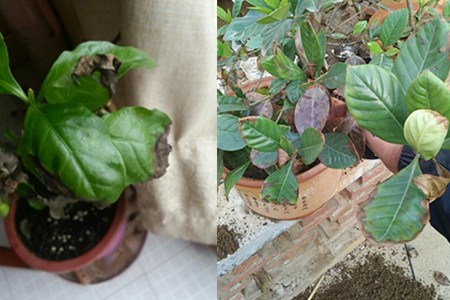
To tell whether a plant has been frostbitten, you can observe the condition of its leaves and stems. Frostbitten leaves often become soft, turn black, and drop off, while the stems may develop water-soaked patches. Once these symptoms appear, the plant should be moved to a warm spot promptly, and the frostbitten parts cut away to prevent rot from spreading further.
There are quite a few ways to protect against the cold and keep plants warm. The most direct approach is to move potted plants indoors or onto an enclosed balcony, away from gaps around doors and windows and from cold drafts; when nighttime temperatures plunge, you can slip an insulating bag over the plant or set up a simple mini greenhouse. For plants grown in the ground, you can cover the root area with straw, fallen leaves, or plastic film to provide some insulation.
Winter care should also go hand in hand with reduced watering and no fertilizing. At low temperatures plants grow slowly and use little water, so overwatering easily causes root rot; generally, wait until the potting soil has dried out completely before giving a small amount of water, and try to keep the water temperature close to room temperature. At the same time, fertilizing should stop in winter, and normal management can resume once spring warms up and the plant starts growing again.
In addition, note that although an indoor heated environment is warm, the air is often dry, so you can mist around the leaves appropriately to raise humidity, and try to ensure plenty of light. As long as you prepare for the cold in advance, cold-sensitive plants can also make it through winter smoothly and continue to grow healthily the following year.
Related Reading