Boston ivy is a common climbing vine, suitable for greening walls
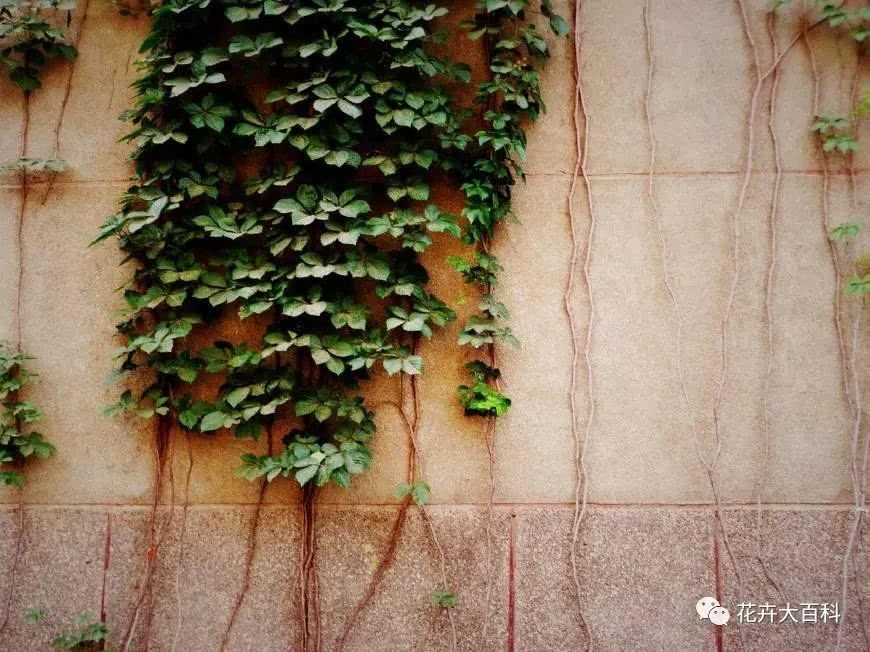
Boston ivy, also known as creeping ivy or Japanese ivy, is a deciduous climbing vine in the grape family (Vitaceae). Its stems bear tendrils, and the tips of the tendrils can form suckers that firmly attach to walls, rocks or tree trunks, which is how it got its name. As a typical vertical greening plant, it is widely cultivated across both northern and southern parts of China.
The leaves of Boston ivy are mostly palm-shaped, bright green in spring and summer, and gradually turn red or orange-yellow in autumn, giving a very striking ornamental effect. It produces small yellow-green flowers in summer, followed by small black berries. The whole plant grows rapidly and has strong covering ability; a few years after planting, it can cover an entire wall and form a green screen.
For propagation, cuttings and layering are commonly used and have a relatively high survival rate; sowing and raising seedlings is also possible. Boston ivy is highly adaptable, tolerating shade, drought and cold, and has no strict requirements for soil, so daily management is fairly simple. When planting, be sure to guide the branches to climb in time, and prune appropriately when growth is too vigorous, so as not to affect light for doors and windows or block other plants.
In gardens, Boston ivy is often used for vertical greening of walls, rockeries and trellises. It can effectively block the hot sun, lower wall temperature, absorb dust and reduce noise, making it a very popular vine in courtyards and urban greening.
It should be noted that the suckers have very strong gripping power, and old walls or walls with unstable paint may be pulled off along with it. Therefore, choose the wall carefully before planting, and control its spread through regular pruning, so you can enjoy the green shade while reducing trouble.