Southern Fruits: A Complete Guide to Common Varieties and Their Characteristics
Southern fruits broadly refer to the tropical and subtropical fruits grown in the warm, humid regions of southern China, with the main producing areas concentrated in South China, Southwest China and the southeastern coastal belt. These regions have abundant heat, plentiful rainfall and relatively high winter temperatures, providing good growing conditions for fruit trees that like warmth and moisture. As a result, southern fruits come in a wide variety of types and flavors.
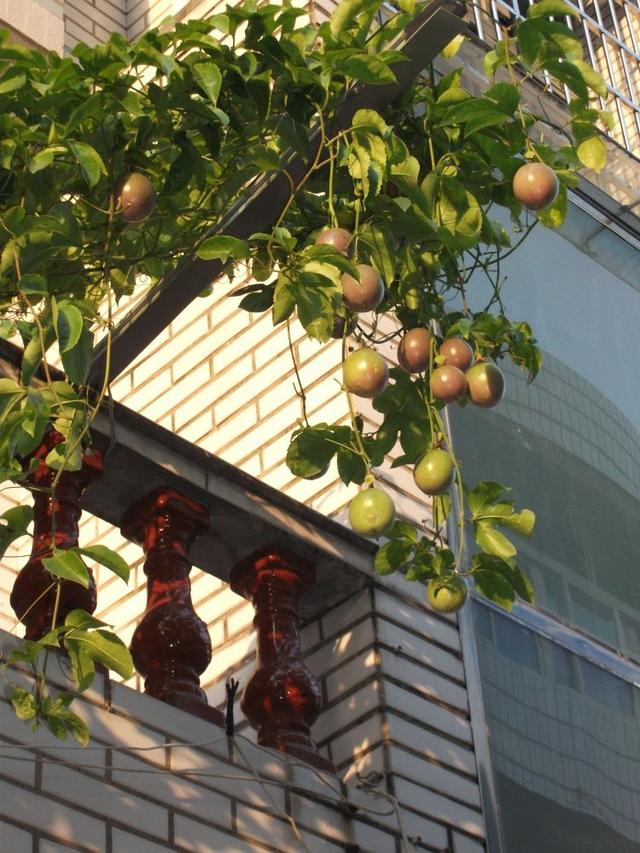
Common southern fruits include banana, lychee, longan, mango, pineapple, dragon fruit, pomelo, coconut, papaya, loquat, Chinese bayberry, wampee, passion fruit, guava and more. Among them, lychee and longan mostly ripen in midsummer, pomelo usually comes onto the market in autumn, and loquat can be enjoyed in late spring and early summer. The ripening periods of the various varieties follow one another, so fresh southern fruits are available almost all year round.
In terms of characteristics, southern fruits generally have juicy flesh and relatively high sweetness, which is closely related to the light and climate conditions of the producing areas. However, most southern fruit trees are not cold-tolerant and cannot overwinter naturally in open-air conditions in the north, and the fruit also requires careful preservation and transport after harvest, so in the past they were relatively rare in northern markets. Today, with the development of cold-chain logistics, they have become very common.
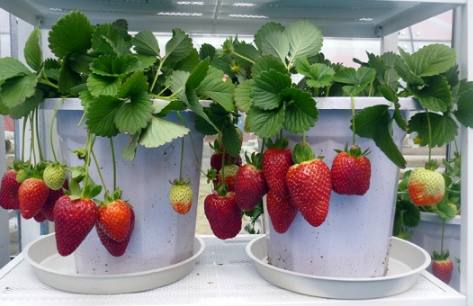
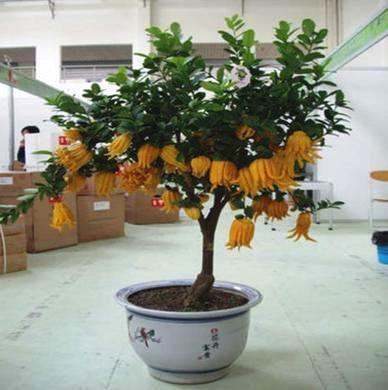
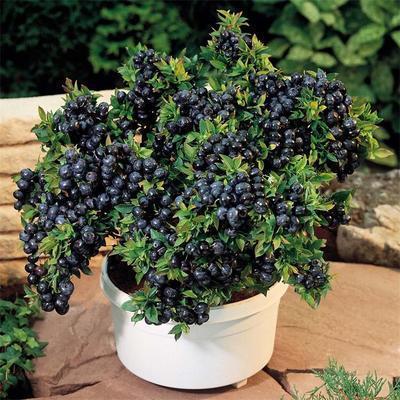
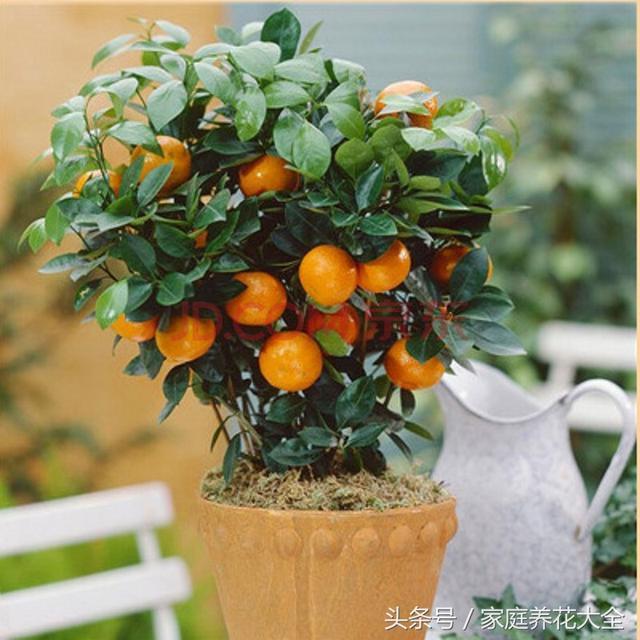
It is worth mentioning that many southern fruits can also be grown in pots, such as lemon, passion fruit and dragon fruit. Place a pot on a balcony or in a courtyard, and with proper care they can likewise flower and bear fruit, offering both ornamental value and the pleasure of picking. When growing in pots, place them in a position with ample light, move them indoors in winter to protect them from the cold and keep them warm, and control watering appropriately, and the fruit trees will grow better.
Related Reading