This fruit grows in balcony pots and bears hundreds of fruits at a time, and it is also called the nemesis of cancer cells
This fruit is called the "nemesis" of cancer cells and can also be grown in pots on a balcony, bearing hundreds of fruits at a time!
Many gardening enthusiasts like to grow flowers on their balconies, but besides growing flowers and vegetables, a balcony can also grow some fruit. Today, the editor recommends the fruit most suitable for balcony pot cultivation. The key point is that it is also called the "nemesis" of cancer cells. It is not only easy to keep alive, but can also be harvested twice a year. If grown well, it can bear hundreds of fruits at a time. Let's take a look together!
The fruit the editor is talking about is the fig. Because balcony space is small, potted fruit growing also has limitations, but figs are very suitable. First, they do not take up space; second, planted this year, they can bear fruit this year. While spring is still here, find a fig branch and plant it as a cutting. It roots very easily.
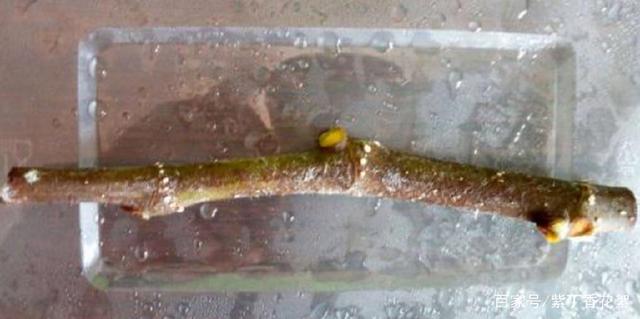
For fig cuttings, choose vigorous branches of the current year, about 15-20 cm long, preferably with more than 2 buds. Then soak them in clean water for about 3 days until white spots appear on the branches. Take them out and insert them into sandy soil, watering an appropriate amount to keep the soil moist.
For fig cuttings, the rooting medium is best as fertile sandy loam and soil with high organic matter content. You can also use fertile vegetable garden soil plus some coarse sand. It requires strong air permeability. Place the inserted figs in a semi-shaded spot. After about 15 days, they will root, and in about 25 days the leaves will grow out. In the latter half of the year, they can bear fruit.
When transplanting figs, be sure to choose a flower pot that is large enough and deep enough. This makes figs more likely to bear fruit. When transplanting, add some chicken manure or cake fertilizer to the bottom of the pot soil. The fruit will be sweeter and the yield higher. It can bear fruit twice a year, with hundreds of fruits at a time. Friends who like growing fruit may as well give it a try!