How to Grow Lucky Bamboo: Master Hydroponic Methods for Glossy Green Leaves and Vigorous Growth
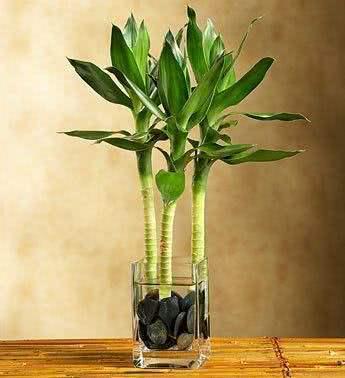
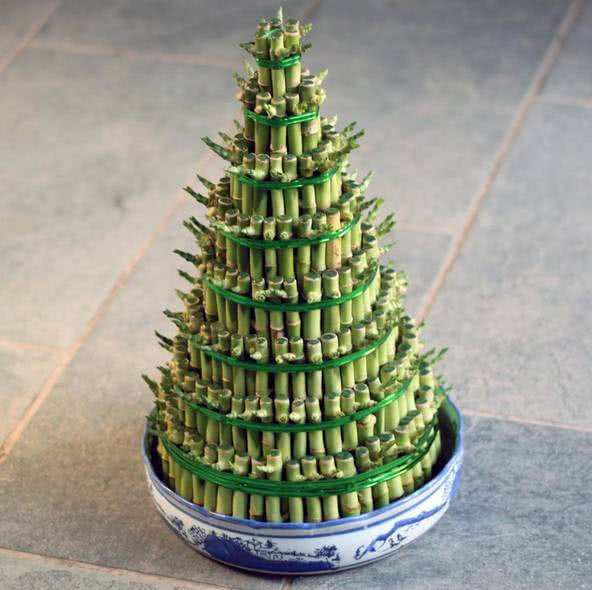
Lucky bamboo is not a true bamboo, but a styled, processed form of lucky bamboo (Dracaena sanderiana), mostly made by coiling and bending the stems of Dracaena plants into shapes, commonly spiral or tower forms. Its stems are upright and its leaves are emerald green, symbolizing good fortune and luck, making it a very popular indoor hydroponic foliage plant.
When growing lucky bamboo in water, pay attention to water quality and water level. Tap water is best left to stand for one or two days before use. The water level should just cover about one third of the bottom of the stem, and should not be too deep. Before rooting, you can change the water frequently to keep it clean; after rooting, there is no need to change the water often, just top it up in time when the water decreases, so as to avoid shaking and damaging the new roots.
Light and temperature are also crucial. Lucky bamboo likes bright, indirect light, and is suitable for placement indoors in a spot with plenty of light but no direct sunlight. Harsh sun can easily scorch the leaves, while long-term darkness will make the leaf color fade. It likes warmth and fears cold, so in winter it should be placed in a warm, sheltered spot, avoiding direct cold drafts.
In daily care, if you find the leaves turning yellow, first check whether the light is too strong, the water quality has deteriorated, or there is a lack of fertilizer. Promptly cut off the yellow leaves and adjust the environment. After rooting, you can add a few drops of nutrient solution at intervals to supplement nutrients. Overall, as long as the water is clean, the light is soft, and the temperature is suitable, lucky bamboo will grow robustly with glossy green leaves.
Related Reading