How to Grow Lucky Bamboo: 6 Tips for Caring for Lucky Bamboo
Lucky bamboo is also called the fortune tower, and it is a plant that many people like to grow, carrying the meaning of wealth, good fortune, and bringing in luck. Below, let us look at how to grow lucky bamboo, with 6 tips for caring for lucky bamboo.
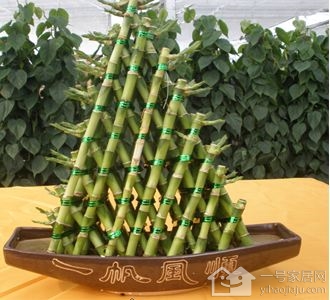
How to Grow Lucky Bamboo
1. Environment. Try to place lucky bamboo in a partially shaded environment. Lucky bamboo prefers a shady, humid environment, and in such conditions it grows relatively fast and its leaves become very bright.
2. Soil. Keep the soil loose and use fertile soil. Lucky bamboo grows well in well-drained sandy soil or semi-muddy sand and alluvial clay, and do not use sticky or alkaline soil. Therefore, when growing lucky bamboo, choose the soil as well as possible, as this helps lucky bamboo grow healthily.
3. Temperature. The suitable growing temperature for lucky bamboo is 20-28°C, so try to place lucky bamboo in a relatively warm room, which can ensure it grows with luxuriant branches and leaves. Although lucky bamboo can tolerate low temperatures of around 3°C, being in low temperatures for a long time will affect its growth, and especially in cold winter, frost damage must be prevented.
4. Light. Avoid leaving lucky bamboo in strong sun for a long time or in a dark place without any sunlight, as over time this can cause the leaves to turn yellow, lose their green color, and grow slowly. Especially from April to September, avoid direct strong sunlight and sunscald, otherwise the leaf surface can easily become rough, scorched, and weak in growth.
5. Watering. Pay attention to the timing and method of watering lucky bamboo. Generally, watering in the early morning or evening is better, especially in winter. When watering, the water temperature is best kept close to room temperature; very cold water can be warmed with a little hot water. Also, frequently spray or sprinkle water on the leaves of lucky bamboo to increase air humidity and also keep the soil moist.
6. Pruning. When the newly grown shoots of lucky bamboo are too long, the diseased shoots and pest-infested shoots should be cut off early, otherwise they will harm the whole pot of lucky bamboo. For thin and weak shoots, excessively vigorous shoots, and so on, appropriate thinning should be done on the premise that it does not affect the overall shape and ornamental value of lucky bamboo. After lucky bamboo has grown for several years and has too many branches, it should be thinned to keep the plant's shape attractive. The cut branches can be used for cuttings, and can also be grown in water in a transparent glass container, which is very attractive.
The above is the relevant introduction in this article. I believe that after reading it, you also have a simple understanding of this. If needed, you can continue to follow No.1 Home Network to learn more information.