Snapdragon: Cultivation Methods and Ornamental Characteristics
Snapdragon (Antirrhinum majus) is a perennial herbaceous plant in the genus Antirrhinum of the family Scrophulariaceae, often grown as an annual or biennial in production, also known as dragon flower, lion flower, or calf's snout. It is native to the Mediterranean coastal region and gets its name because its flowers closely resemble a small goldfish with an open mouth. With vivid flower colors and upright plant form, it is one of the most popular ornamental flowers around the world.
Snapdragon comes in a very rich range of flower colors, commonly red, pink, yellow, white, purple, and bicolor, with the blooming period mostly concentrated in spring and summer. According to plant height, horticulture generally classifies it into tall, medium, and dwarf varieties. Dwarf varieties are suitable for potted display and flowerbed edging, while tall varieties are often used as cut flowers or for arranging flower border backgrounds.
When caring for snapdragon, choose a position with plenty of sunlight and good ventilation, and use loose, fertile soil with good drainage. It prefers a cool climate and dislikes waterlogging; watering should follow the principle of watering when dry and keeping it dry between waterings, avoiding long-term soggy potting soil that can cause root rot. During the growing period, pinch the tips appropriately to encourage more branching and a fuller plant shape, and promptly remove spent flowers after blooming to help extend the overall flowering period. Propagation is mainly by sowing, though cuttings can also be used.
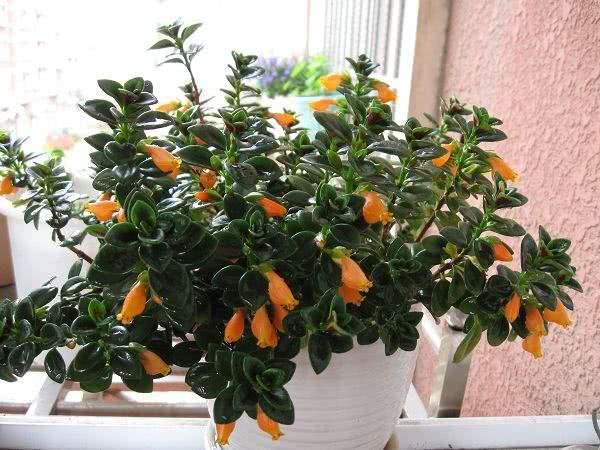
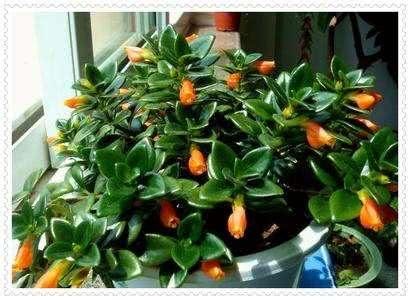
It should be noted that snapdragon and goldfish plant (Nematanthus gregarius) are two different plants: the former is propagated by seed and its flowers resemble a goldfish with an open mouth, while the latter is an evergreen flowering plant in the family Gesneriaceae. If the snapdragon in your home only grows leaves without blooming, it is mostly due to insufficient light or too much nitrogen fertilizer; gradually increasing light and adjusting fertilization will improve it.
Related Reading