Burying a dead goldfish in a flower pot as fertilizer can make flowers grow vigorously.
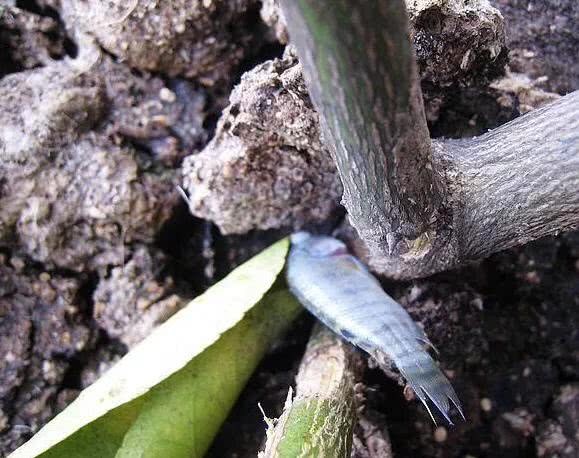
When growing flowers, only with fertile soil and regular fertilizing can potted flowers and plants grow thick roots, strong leaves and many blooms. In daily life there really are many fertilizers, such as eggshells, okara and worm castings, all of which can be turned into fertilizer through fermentation. Quite convenient. Some flower lovers keep many small goldfish, and suddenly wonder: when a small fish dies, can it be buried in a flower pot?
1. Actually, once small fish are properly composted they also make a good fertilizer, but they cannot be put in directly, especially in small potted plants on a balcony. Because they have not gone through decomposition and fermentation, first, they easily breed worms and may even attract insects; second, during the composting process they generate heat and easily burn the roots; and besides, just imagine a rotting small fish staying close to you, which is quite unpleasant.
2. If you really must put it in, you can first put it into an empty bucket, add some rice-washing water or similar, cover it with a lid, and after at least three months of full fermentation and decomposition, dilute it and water the flowers with it. This is safer and supplements phosphorus fertilizer. You can also bury it in an empty bucket together with vegetable leaves and fruit peels and let it ferment fully for several months, thus making a nutrient soil complete in nitrogen, phosphorus and potassium; then mix in some garden soil and granular soil to grow flowers, and the effect is quite good.
3. If it is an outdoor flower pot with a large diameter and a very large plant, you can also put in a small fish or similar. Keep it farther from the roots and cover it well with soil. The small fish will gradually ferment and rot, becoming an organic fertilizer rich in phosphorus. But for small potted plants grown on a home balcony, forget it.