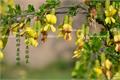
Caragana is a legume shrub with flowers shaped like sparrows, suitable for ornamental use and for making bonsai
Caragana is a deciduous shrub in the genus Caragana of the legume family (Fabaceae). It is widely distributed in northern China and the mountainous areas of the southwest, and is also commonly known among local people as golden sparrow flower or yellow sparrow flower. Its flowers are mostly yellow, with a corolla shaped like a flying sparrow, and when in full bloom they cover the branches, which is how it got its name. The plant has slender, thorny branches and small pinnate compound leaves, giving it a very distinctive overall appearance.
Caragana is cold-resistant and drought-resistant, and is not demanding about soil; it can grow even on poor land, but it does not tolerate waterlogging, and long-term standing water easily causes root rot. It prefers a sunny environment and mostly blooms in spring; the flowering period is not long, but it is extremely lively. There are many species in the same genus, and commonly cultivated ones include red-flowered caragana and small-leaved caragana, which differ slightly in flower color and plant form.
In terms of use, caragana can be planted in clumps in courtyards or along roadsides to add scenic interest, and it is also often chosen as bonsai material; through wiring and pruning, it can be shaped into a vigorous and natural tree form. In addition, its root system is well developed and it also plays a certain role in soil and water conservation and the greening of barren slopes. Among local people there is also a habit of eating its flowers or using its roots as medicine.
Caring for caragana is not difficult. Usually place it in a well-lit position, water it so that it dries between waterings, and avoid long-term water accumulation in the pot. In spring and autumn, fertilizer can be supplemented appropriately, and after flowering, spent flowers and overly dense branches should be pruned in time, which not only keeps the plant shape neat but also helps it bloom more vigorously the following year.
Related Reading