Practical tips for growing vegetables in flower pots: families can grow fresh vegetables even on a balcony
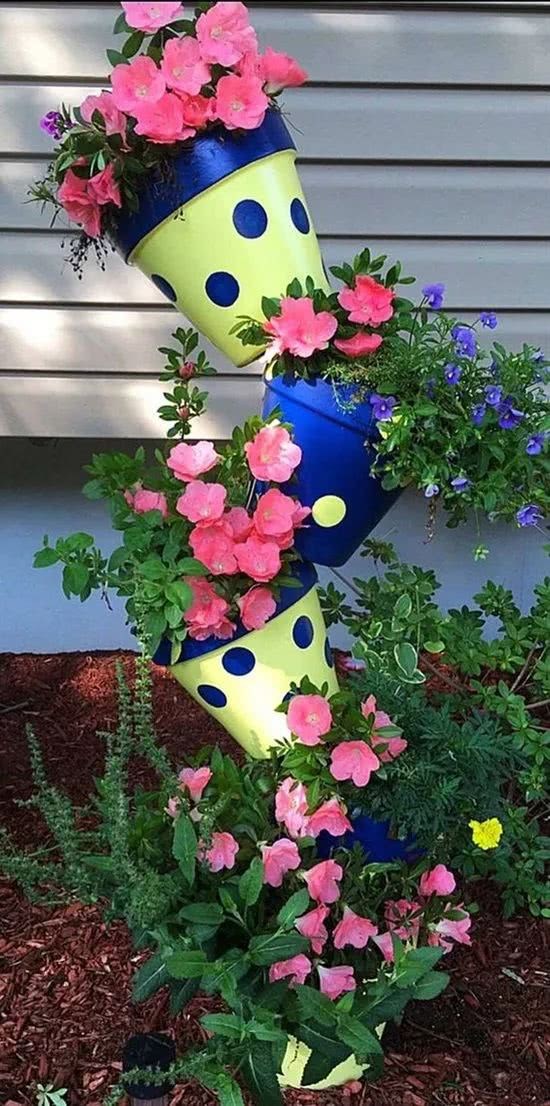
Growing vegetables in flower pots means using flower pots, planting boxes and other containers to grow vegetables in spaces such as balconies, windowsills or courtyards, a method that has become increasingly common among urban households in recent years. It takes up little space and is easy to manage, so even without a vegetable plot, you can still eat fresh vegetables you have grown yourself.
Compared with growing in the ground, the biggest feature of growing vegetables in flower pots is that it is flexible and controllable. Flower pots can be moved to follow the light, and the soil, water and fertilizer can all be adjusted as needed, so even a small space can still give a decent harvest. Potted vegetables have lush green leaves, and some can also flower and bear fruit, giving them ornamental value as well.
Vegetables suitable for growing in flower pots are mainly shallow-rooted, fast-growing varieties, such as leafy greens like bok choy, lettuce, spinach, Chinese chives and scallions, as well as fruiting vegetables like chili peppers and cherry tomatoes. Root and tuber vegetables such as radishes and potatoes need deeper, larger containers to ensure that the underground parts can swell normally.
When planting, first choose the flower pot well; the bottom of the pot should have drainage holes, and its size should match the vegetable's root system. Idle old pots and wooden boxes can also be used as long as they drain. The soil should preferably be a loose, fertile, well-draining potting mix. Potting soil dries out faster than field soil, so before watering, first check whether it is dry or moist and follow the principle of watering when dry and letting it dry between waterings. During the growing period, apply light fertilizer frequently, and place the plants in a position with as much light as possible to avoid leggy growth.
Common problems are mainly yellow leaves, leggy growth and pests. Yellow leaves are mostly related to overwatering or lack of fertilizer, while leggy growth is usually caused by insufficient light. If pests such as aphids are found, they can be removed by hand in time or washed off with water. Overall, growing vegetables in flower pots has a low barrier to entry; beginners can start with easy-to-grow leafy greens and gradually build up experience.
Related reading