Put these things in the flower pot and your plants will have lush green leaves and never suffer root rot again
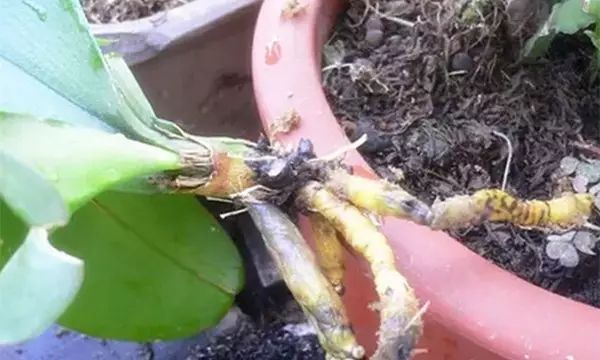
The thing gardeners fear most is waterlogged roots and root rot. Once your plant's roots rot, not only is it troublesome to fix, but one wrong move can kill the plant completely, with no chance of recovery.
Below, we recommend six great growing mediums for plants. Use these six types of granules for growing plants, and from then on your plants will have lush green leaves and never suffer root rot again.
Coarse Sand
Coarse sand has fairly strong water permeability and notably good drainage and aeration, so it can be mixed with other materials and used as a growing medium for plants. For flowers that hate waterlogging, coarse sand is undoubtedly a good choice.
For example, when caring for succulents, adding some coarse sand to the soil can do a good job of preventing excessive water accumulation in the pot and root rot, thereby protecting the healthy growth of the flowers.
How to use:
Wash the sand clean and dry it thoroughly in the sun, then run it through a sieve. The larger granules can be mixed into the soil for growing plants and used as the bottom layer of soil in the flower pot.
Coal Cinders
Coal cinders contain many tiny air pores, which can further improve the soil's aeration and drainage performance; moreover, coal cinders contain many trace elements, and these substances are greatly beneficial to plant growth, making them a very good choice for growing plants.
How to use:
Choose coal that has been completely burned through, then crush it and sieve it, separating the large granules from the small ones. Place the larger granules directly at the bottom of the flower pot, with a medium thickness of roughly 5 cm, which can further increase the aeration performance for the flowers;
the smaller granules can be mixed with the soil, which can promote healthy plant growth.
Charcoal
Charcoal has a relatively loose texture and very strong drainage and aeration performance, and its moisture retention is also decent. Using charcoal as a growing medium for plants can bring plants suitable temperature conditions and a good humidity environment, promote root respiration, and speed up the growth rate of the flowers.
Moreover, charcoal also has antiseptic and disease-preventing effects, and can do a good job of preventing root rot and decay.
How to use:
Crush the charcoal and rinse it repeatedly with clean water, then dry it and sieve it to remove the debris. After disinfecting and sterilizing it, choose the larger granules, mix the charcoal with garden soil and pine needle soil in a 1:2:2 ratio to make soil for the flowers to live in, and then plant the plants in such a soil environment, which can speed up the growth of the flowers.
Wood Shavings
When cultivating flowers, you can use wood shavings to help increase the soil's aeration performance.
How to use:
First, do not use fresh wood shavings; you need to fully compost the wood shavings before using them, otherwise it is very likely to have a negative impact on the growth of the flowers.
You can soak the wood shavings in boiling water for about one hour, then put them in a cool and well-ventilated place to dry, and then just place the wood shavings at the bottom of the flower pot.
Broken Bricks and Tiles
Broken bricks and tiles can be said to be little more than waste, yet they can be used to grow plants. Putting some broken bricks and tiles at the bottom of the flower pot can both aerate and drain, and also retain moisture and fertilizer, with very good health-preserving effects.
How to use:
Break the broken bricks and tiles into pieces and choose the small pieces with a diameter of about 0.5 cm. When growing plants, put these pieces at the bottom of the flower pot, just do not block the drainage holes. The smaller granules can be mixed with garden soil, which can keep the flower roots healthy and growing vigorously.
Ceramsite
The surface of ceramsite has many tiny air pores, and both its drainage and water retention are relatively good. Using it to grow flowers can effectively prevent root rot and improve the soil's looseness and aeration.
How to use:
Using ceramsite to care for succulents or directly using ceramsite for hydroponics are both very good choices. Simply wash the ceramsite clean and put it into a container, with a thickness generally of about 5 cm. It can be mixed with river sand, perlite and so on, and the effect will be even better.