Flower pots and planters come in many types and materials, so choosing the right container makes plant care easier
Flower pots and planters are a general term for the kinds of containers used to grow flowers and display plants. They are both the home where plants take root and grow, and an important decorative element in home gardening. Besides the common flower pot, they also include hanging baskets, hydroponic vessels, modular flower boxes and various other containers, with a great variety of materials and shapes.
By material, the common types include terracotta pots, ceramic pots, porcelain pots, plastic pots, cement pots and wooden flower boxes. Terracotta pots have good air and water permeability, making them suitable for plants that hate waterlogging; porcelain pots are beautifully shaped but slightly less breathable; plastic pots are light, durable and easy to move; wooden and cement planters have a distinctive texture and are often used to decorate balconies or courtyards.
When choosing flower pots and planters, first look at drainage. A drainage hole in the bottom of the pot is a basic requirement, and when potting up you can also add a layer of clay pebbles or broken tiles to help water drain. Second, the size of the pot should match the plant: a pot that is too large tends to hold water and cause root rot, while a pot that is too small restricts root growth. If it can also harmonize with your home style, the greenery can become a highlight of the space.
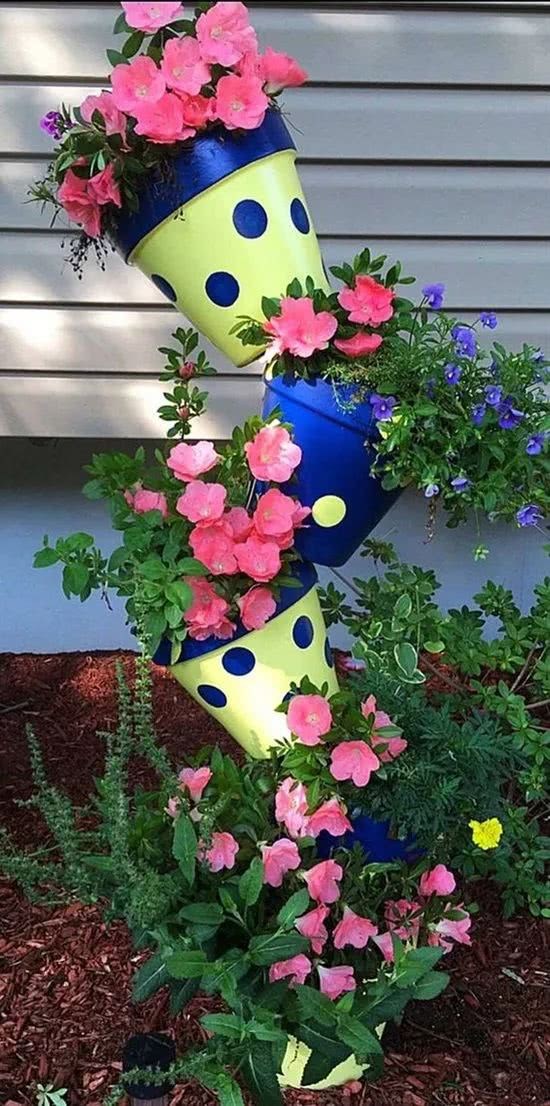
In daily use, after a long time the walls of planters tend to show mineral deposits and accumulated salts, so they can be cleaned regularly or replaced. Old terracotta pots, after sanding, painting and other makeovers, can become uniquely personal gardening accents. Choose the right flower pots and planters, and combine them with sensible watering and fertilizing, and your plants will grow more vigorously and bloom for longer.
Related reading