When Does the Osmanthus Tree Bloom? Blooming Period and Influencing Factors Explained
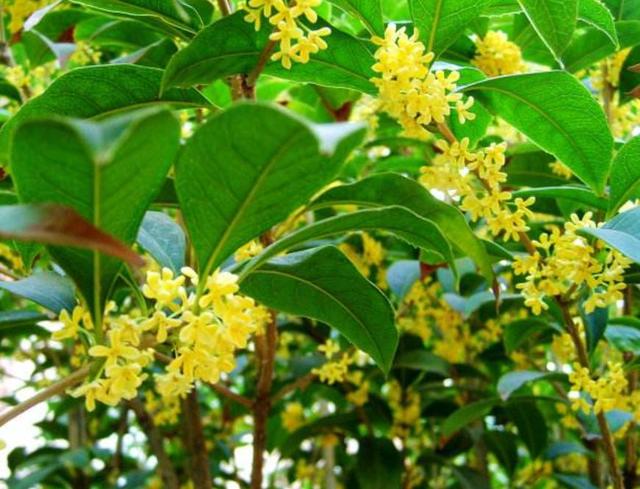
Osmanthus trees generally bloom every year in autumn, and in most regions the blooming period falls between September and October on the Gregorian calendar, which is the season people often call the time when osmanthus fragrance fills the air in the eighth lunar month. Because the climate varies from place to place, trees in warm regions may bloom a little earlier, while those in the north or at higher altitudes bloom a little later.
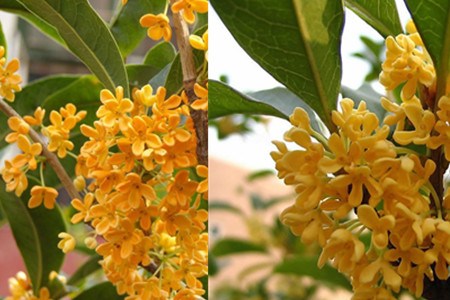
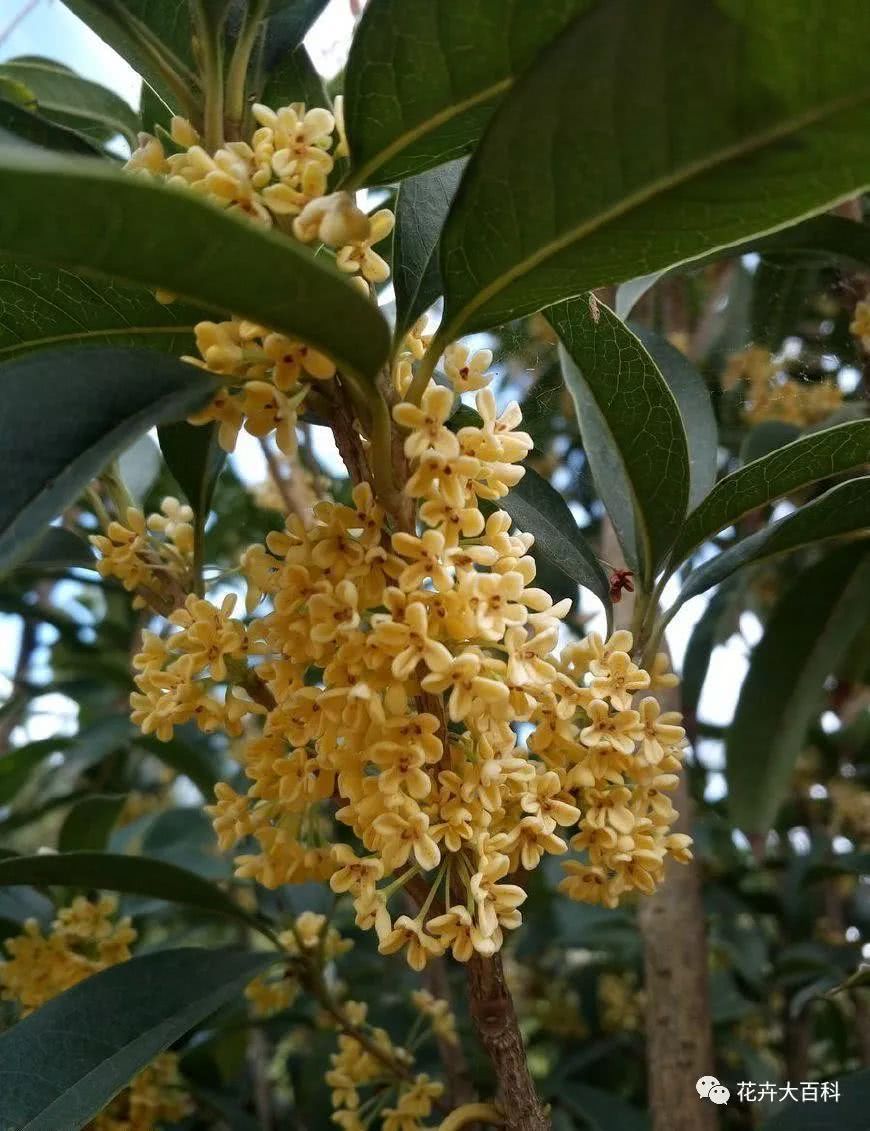
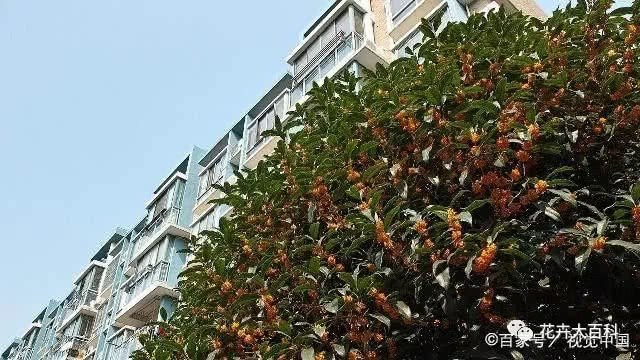
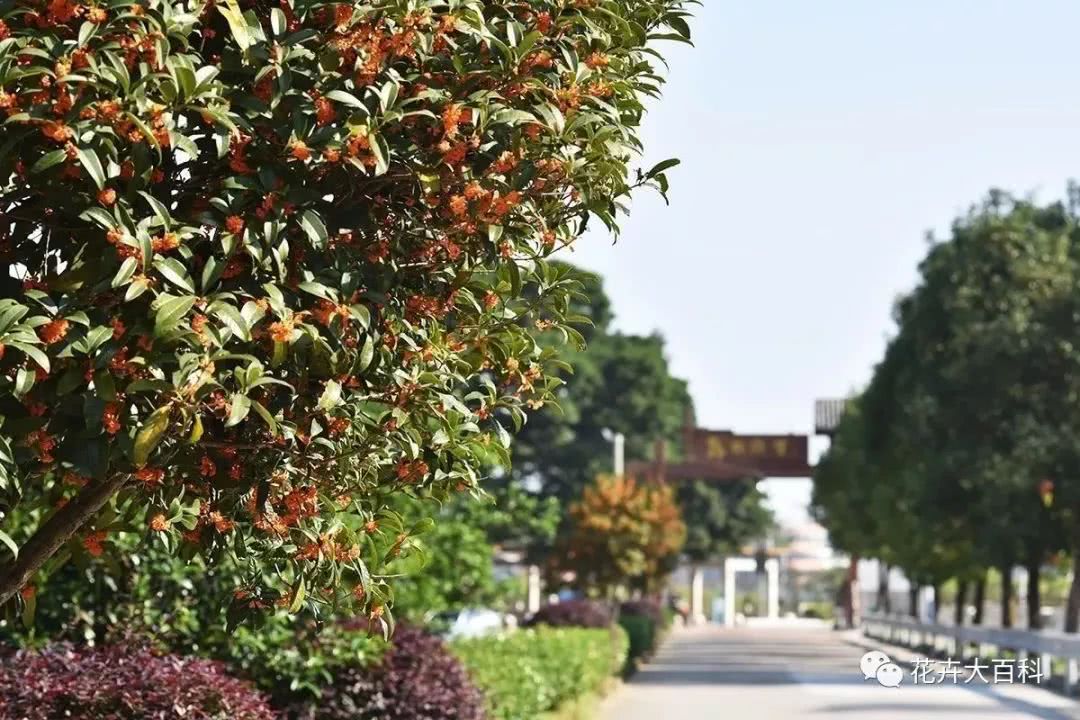
Different cultivars of osmanthus bloom at slightly different times. Golden osmanthus (Jingui) and silver osmanthus (Yingui) mostly bloom in autumn, with a rich fragrance, and are common cultivars for viewing and enjoying the scent; orange osmanthus (DanGui) has more orange-red flowers and usually blooms a little later; four-season osmanthus (Sijigui) is rather special, as with proper care it can bloom sporadically several times within a year, though the flower quantity is smaller and the fragrance is relatively faint.
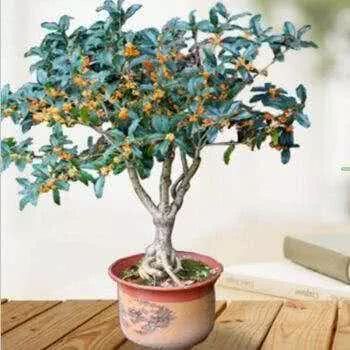
Whether an osmanthus tree can bloom on schedule depends greatly on light, water and fertilizer, and tree age. A mature osmanthus tree is more likely to differentiate flower buds in an environment with ample light and good ventilation; if it is shaded for a long time, given too much nitrogen fertilizer, or pruned too heavily, it easily ends up with lush branches and leaves but few flowers. For potted osmanthus, care should also be taken to let it enter proper dormancy in winter, avoiding excessively high temperatures that affect flower bud formation the following year.
In terms of blooming-period management, large amounts of water and fertilizer should not be applied before and after flowering; keeping the soil slightly moist is enough, to avoid flower and bud drop. When the flowers open, you can enjoy the fragrance and the blooms; after flowering, supplement nutrients appropriately and thin out overly dense branches, which helps the tree recover its vigor and lays a good foundation for blooming the next year.
Related Reading