What to do when osmanthus tree leaves turn yellow and dry at the tips? These causes may be to blame
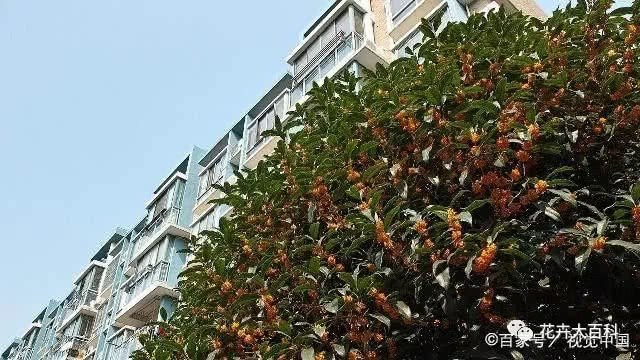
What causes osmanthus tree leaves to turn yellow and dry at the tips? The main causes fall into several categories: waterlogged soil from overwatering, poor lighting and ventilation, humidity below 60%, unsuitable temperatures below 15°C or above 30°C, and other leaf tip drying caused by pests and diseases (brown spot disease, blight spot disease, anthracnose, etc.). Corresponding improvements must be made according to the different causes.
Osmanthus tree
The soil for growing osmanthus trees must have good air permeability; be sure never to use heavy clay. Follow the watering method of "don't water until dry, and water thoroughly when you do." If waterlogging damage occurs, the roots turn black and rot, the leaves first dry out at the tips, then the whole plant's leaves turn yellow and drop, ultimately causing the plant to slowly die.
Osmanthus tree suffering from waterlogging damage
Osmanthus trees are sun-loving plants, so arrange the degree of light exposure and the duration of sunlight appropriately. In high-temperature or dry environments, try to use shade netting and misting to improve environmental humidity. Generally, when it is the old leaves that have dry tips, simply raising the humidity above 60% is enough to improve the condition.
Osmanthus leaf tips
The suitable temperature for osmanthus tree growth is between 15-30°C; temperatures that are too high or too low can both cause problems. The most suitable location for planting osmanthus trees is one with good ventilation and good air permeability; osmanthus trees like a clean, well-ventilated environment and cannot tolerate smoke and dust damage.
Osmanthus suffering from smoke and dust damage
Usually increase the amount of phosphorus and potassium fertilizer and organic fertilizer used, in order to improve the plant's own resistance.
The following are the symptoms and solutions for pests and diseases in their early stages:
Brown spot disease: in the early stage, small yellow chlorotic spots appear on the leaves and gradually expand into nearly round lesions. Brown spot disease generally occurs from April to October of the following year, and old leaves are more susceptible than young leaves.
Blight spot disease: in the early stage, light brown small spots appear on the leaves and gradually expand into round or irregular lesions, then gradually enlarge into nearly round or irregular grayish-brown large spots with dark brown edges. Blight spot disease generally occurs from June to October, and in greenhouses with poor conditions it occurs year-round.
Anthracnose: in the early stage, small chlorotic spots appear on the leaves and gradually expand to form round, semicircular or oval lesions. The lesions are light brown to grayish-white, with a reddish-brown ring around the edge. Under humid conditions, black-gray sticky spore discs appear on the lesions. Anthracnose generally occurs from March to July.
Control measures: first, reduce the sources of disease. In autumn, thoroughly sweep away fallen leaves and diseased leaves. For potted osmanthus trees, promptly remove diseased leaves. Second, strengthen cultivation management. Choose fertile, loose soil or substrate with good drainage for cultivation, apply more organic fertilizer and potassium fertilizer, and keep planting density appropriate rather than too dense. This allows ventilation and light penetration, reduces leaf surface humidity and lessens disease occurrence. Use pesticides scientifically and reasonably for control.
Osmanthus tree leaves turning yellow leaves you throwing up your hands with no solution