Dried Flower Arranging Tips and Care Methods for Long-Lasting, Natural Home Floral Art
Dried flower arranging is a floral art form that uses dried flower materials as the raw material for shape design. After fresh flowers are processed by natural air drying, hanging upside down in the shade to dry, or dehydration with a desiccant, they can still retain their original form and part of their color. The finished works have a long viewing period and are very suitable for long-term appreciation at home.
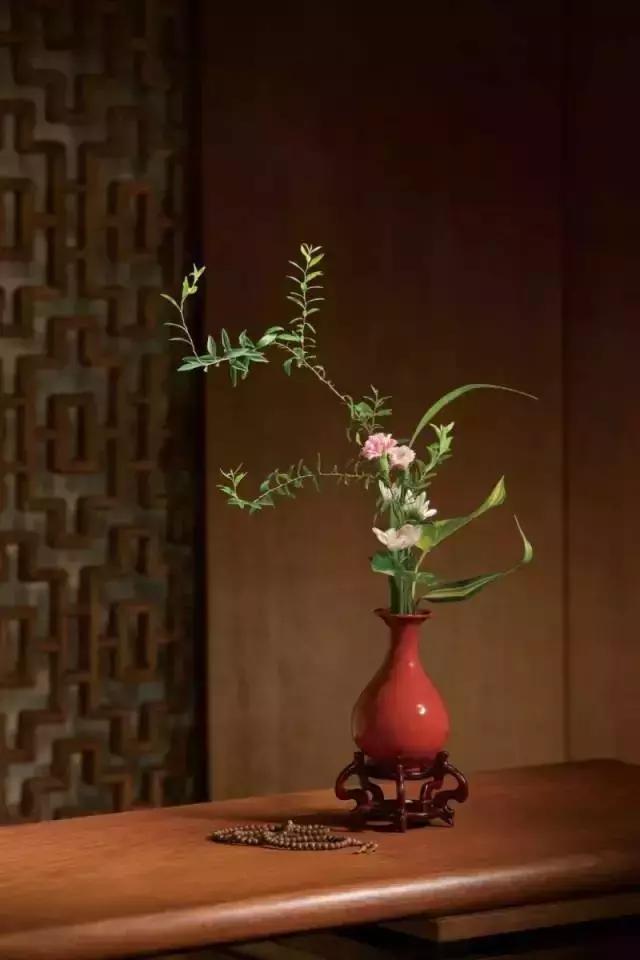
Compared with fresh flower arranging, dried flower arranging pays more attention to the expression of texture and lines. Dried flowers mostly show soft earth tones, such as off-white, brown, and warm yellow, with a natural, vintage style that blends easily with various home environments. Common materials include baby's breath, strawflower, statice, eucalyptus leaves, reeds, and dried roses, while woody branches and fruit spikes are also often used as accents. The choice of vase is equally free; ceramic pots, bamboo baskets, and glass bottles can all be tried.
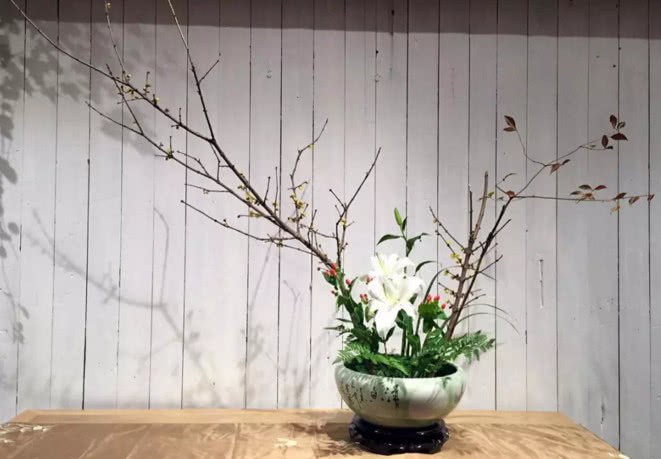
When making an arrangement, generally first determine the position of the main branch, then gradually add filler grasses and flowers, paying attention to variations in height and density. Dried flowers are brittle and hard in texture, so movements should be gentle to avoid repeated bending that causes breakage.
For daily care, the work should be placed in a ventilated, dry place away from direct sunlight to prevent fading and moisture-related mold. When cleaning, a hair dryer on the cool setting or a soft-bristled brush can be used to gently remove dust. In addition, not all flowers are suitable for making dried flowers; flower materials with high water content are prone to mold and deformation when dried, so it is best to understand the characteristics of the materials before selecting them. As long as the pairing is appropriate and the care is careful, a dried flower arrangement can add a lasting natural atmosphere to home life.
Related Reading