The Origin, Characteristics and Main Uses of Saffron Extract
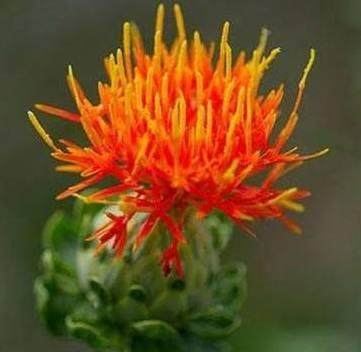
Saffron extract is a concentrated essence obtained from the stigmas of the flower columns of Crocus sativus, a plant in the iris family; saffron is also often called zanghonghua or xihonghua (saffron crocus). It retains the distinctive color, aroma and flavor of saffron, and is a common deep-processed form of this precious spice and medicinal herb.
The main active substances in saffron extract include crocin-type pigments, picrocrocin and volatile aroma components such as safranal, so it combines coloring, aroma-enhancing and flavor-regulating effects. High-quality saffron raw material stigmas are slender and intact with a deep red color, and the finished product after extraction is generally orange-red to deep red, with a rich and unique odor.
In terms of applications, saffron extract often appears in the food sector, where it can add color and aroma to rice, soups, desserts and alcoholic drinks; although used in small amounts, it noticeably elevates the layers of flavor. It is also found in personal care and household chemical products, added as a fragrance or coloring ingredient. In traditional experience of use, saffron is considered to have effects such as promoting blood circulation and removing blood stasis, and cooling blood and removing toxins, and related products are mostly used as auxiliary items for daily conditioning.
It should be noted that saffron has high requirements for its growing environment, and harvesting mainly relies on manual labor, so the cost of raw materials is not low; therefore, the quality of products on the market varies, and when purchasing, one should pay attention to information on the place of origin and qualifications. Saffron extract is a concentrated substance, so in daily use it is best to add only a small amount; special groups had better consult professionals before eating or using it medicinally, to avoid blind use.
Related Reading