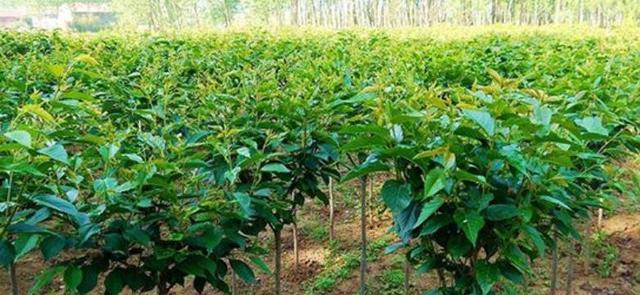
A colorful-leaf nursery is a growing site specializing in cultivating colorful-leaf plants.
A colorful-leaf nursery refers to a growing site mainly dedicated to cultivating colorful-leaf plants, primarily propagating and producing nursery stock with ornamental foliage color. Compared with ordinary nurseries, the plants here place more emphasis on changes in leaf color, with common types including red leaves, yellow leaves and variegated leaves, presenting rich layers of color throughout all four seasons.
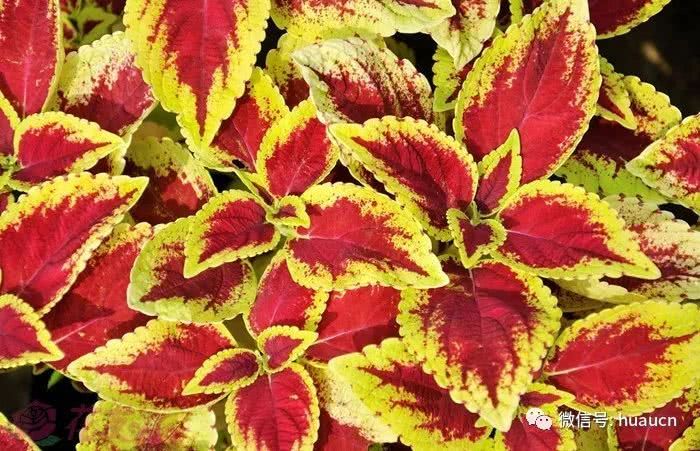
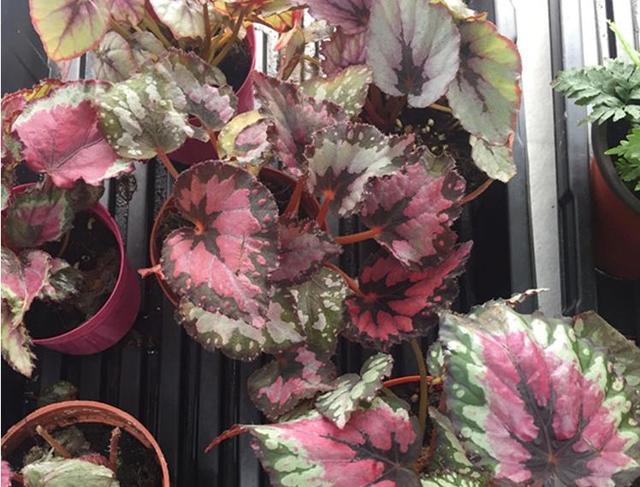
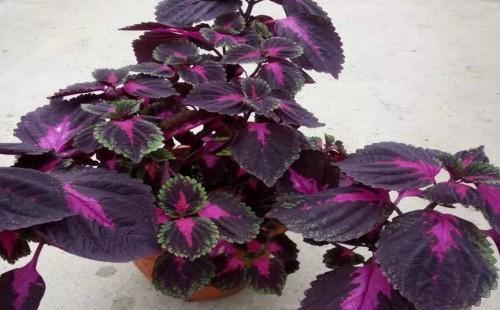
In a colorful-leaf nursery there are both garden trees suitable for planting in the ground and herbaceous plants suitable for growing in pots for ornamental display. Woody types such as Photinia × fraseri 'Red Robin', golden privet (Ligustrum × vicaryi) and red maple (Acer palmatum) are often used for road and residential-area landscaping; herbaceous types such as coleus (Plectranthus scutellarioides) and painted-leaf begonia have brilliantly mottled foliage and are suitable for balcony pots, with combinations of several varieties displayed together giving an even better ornamental effect.
The leaf color of colorful-leaf plants is closely related to conditions such as light, temperature difference and soil. In production, nurseries arrange full sunlight or appropriate shading according to the characteristics of each variety, and pay attention to water and fertilizer management to ensure the leaf color stays vivid and stable. When caring for them at home, most colorful-leaf plants prefer loose, airy, well-drained soil; watering can simply follow the principle of letting the soil dry out before watering again, avoiding prolonged waterlogging.
Colorful-leaf nurseries play an important role in both urban landscaping and home gardening. Colorful-leaf nursery stock can enrich the color layers of landscaping and make up for the monotony of purely green plants; small potted plants such as coleus are suitable for accenting interiors and balconies. When buying, you can choose suitable varieties according to the light conditions of the growing environment, and both survival and the ornamental effect will be better.
Related Reading