Features and Uses of Tissue Culture Bottles: An Essential Container for Tissue Culture Seedlings
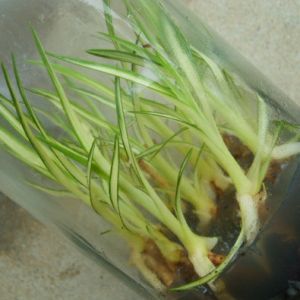
Tissue culture bottles are specialized containers used during plant tissue culture to hold culture medium and grow sterile seedlings, and they are widely used in the rapid propagation of flowers, vegetables, fruit trees and forest trees. Taking orchids as an example, the tissue-cultured seedlings must mostly complete every stage from inoculation and proliferation to rooting and seedling strengthening inside the bottle, so the tissue culture bottle is often regarded as the first growing space for tissue-cultured seedlings.
In terms of material, tissue culture bottles are mainly divided into two major categories: glass and plastic. Glass bottles have good light transmission and withstand high temperature and high pressure, and can be sterilized and reused repeatedly, but they are fragile and inconvenient to transport; plastic tissue culture bottles are mostly made from engineering plastics such as PC, are lightweight and shatter-resistant, and can likewise withstand high-temperature sterilization, making them more suitable for large-scale production. Whichever material is used, the bottle must be clearly translucent so that the growth of the seedlings inside can be observed at any time.
Tissue culture bottles come in a variety of specifications, with capacities ranging from more than one hundred milliliters to several hundred milliliters, and the bottle mouth also comes in different sizes, so they can be selected flexibly according to the size of the seedlings and the culture stage. The matching caps are equally particular: common caps have ventilation holes or breathable membranes, which not only ensure normal gas exchange inside and outside the bottle but also block the invasion of contaminating microorganisms, making them a key component for reducing culture contamination.
In actual use, tissue culture bottles must be thoroughly cleaned before each use and subjected to high-temperature and high-pressure sterilization; after the culture medium is poured in and allowed to cool and solidify, explants or seedlings can be inoculated. During the culture period, the environment should be kept clean and the cap should be opened as infrequently as possible. After the seedlings are taken out of the bottle, the bottle should be washed clean and dried promptly for the next round of use. If signs of contamination such as mold spots or cloudy liquid appear inside the bottle, they should be picked out and dealt with in time to prevent them from spreading and affecting other bottle seedlings.
Related Reading