Chinese bonsai is a traditional horticultural art that blends nature and artistry
Chinese bonsai is an important category of traditional Chinese horticulture. Using plants, rocks, soil and water as materials, it recreates natural landscapes and tree scenery within a pot through techniques such as conceptual composition, pruning and wiring. It emphasizes condensing a dragon into an inch and seeing the grand in the small; a mature work often lets people appreciate the charm of nature within a tiny space.
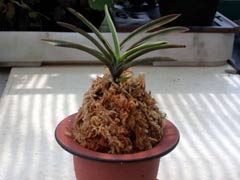
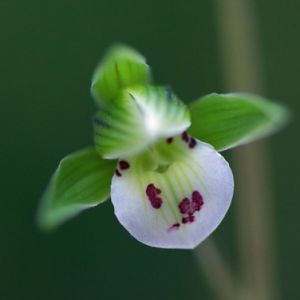
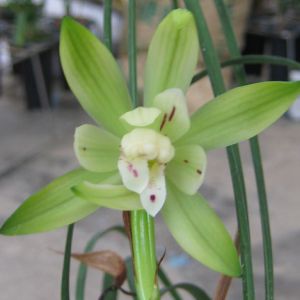
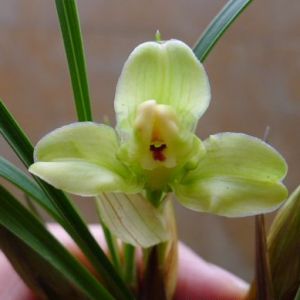
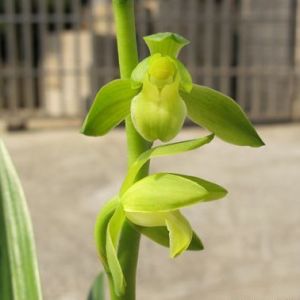
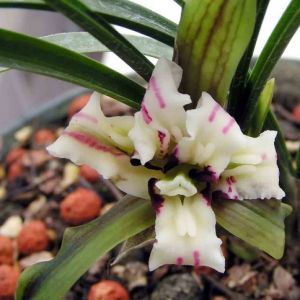
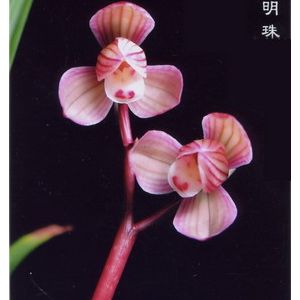
In terms of types, Chinese bonsai can be broadly divided into tree bonsai, landscape bonsai, as well as water-and-dry bonsai and flower-and-plant bonsai. Among these, tree bonsai focuses on the changes in roots, trunks, leaves, flowers and fruit, while flowers and plants such as orchids (Cymbidium) can likewise be potted to form a scene. Through long-term development, different regions have formed schools such as the Lingnan, Sichuan, Yangzhou, Suzhou and Shanghai schools due to differences in climate and aesthetics, with styles ranging from vigorous and ancient to delicate and elegant.
In terms of care, the root growth space of bonsai plants is limited, so watering should follow the principle of drying then wetting, avoiding water accumulation in the pot that causes root rot, and light and ventilation should be arranged according to the habits of the tree species. During the growing season, timely pruning and bud pinching should be carried out to control excessive branch growth and maintain the shape, and the pot and soil should be changed regularly to replenish nutrients so that the plant maintains good growth.
Chinese bonsai combines ornamental value and cultural connotation. It can be placed in courtyards, balconies, halls and other places, and is also often chosen as a gift and for collection. Beginners are advised to first choose tree species that are easy to grow and tolerant of pruning, master the basic skills of watering and pruning, and then gradually try wiring and shaping; proceeding step by step is more conducive to long-term care.
Related Reading