Common Varieties of Chinese Orchids and Their Daily Care Methods
Chinese orchids, also known as guolan (national orchids), is the collective term for a group of terrestrial orchids in the family Orchidaceae that are native to our country. Common species include Cymbidium goeringii, Cymbidium faberi, Cymbidium ensifolium, Cymbidium sinense, Cymbidium kanran, Cymbidium goeringii 'Chunjian', and Cymbidium tortisepalum. They are renowned for their delicate fragrance and elegant, graceful leaves, and differ markedly in form and habits from the tropical epiphytic orchids known as foreign orchids (yanglan). They are one of our country's traditional famous flowers.
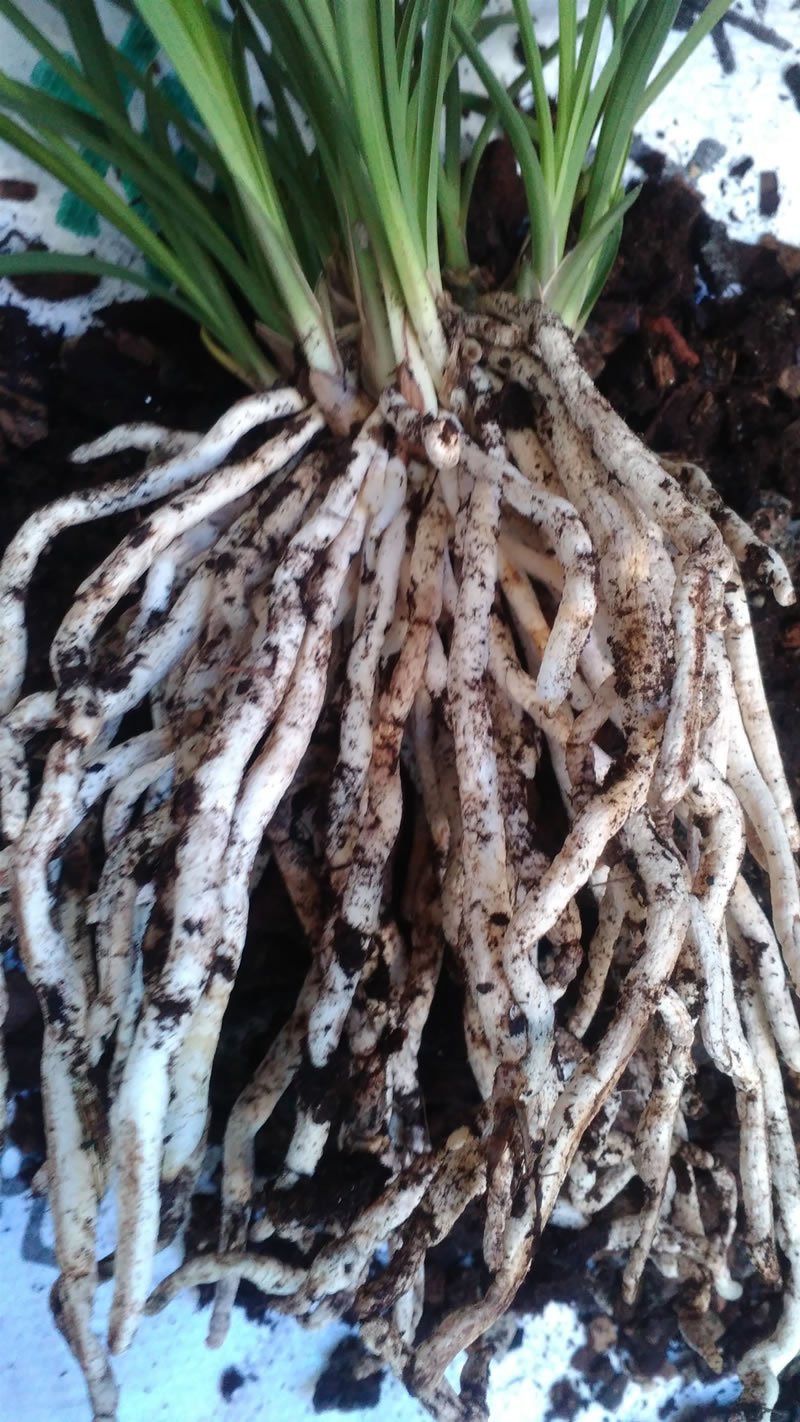
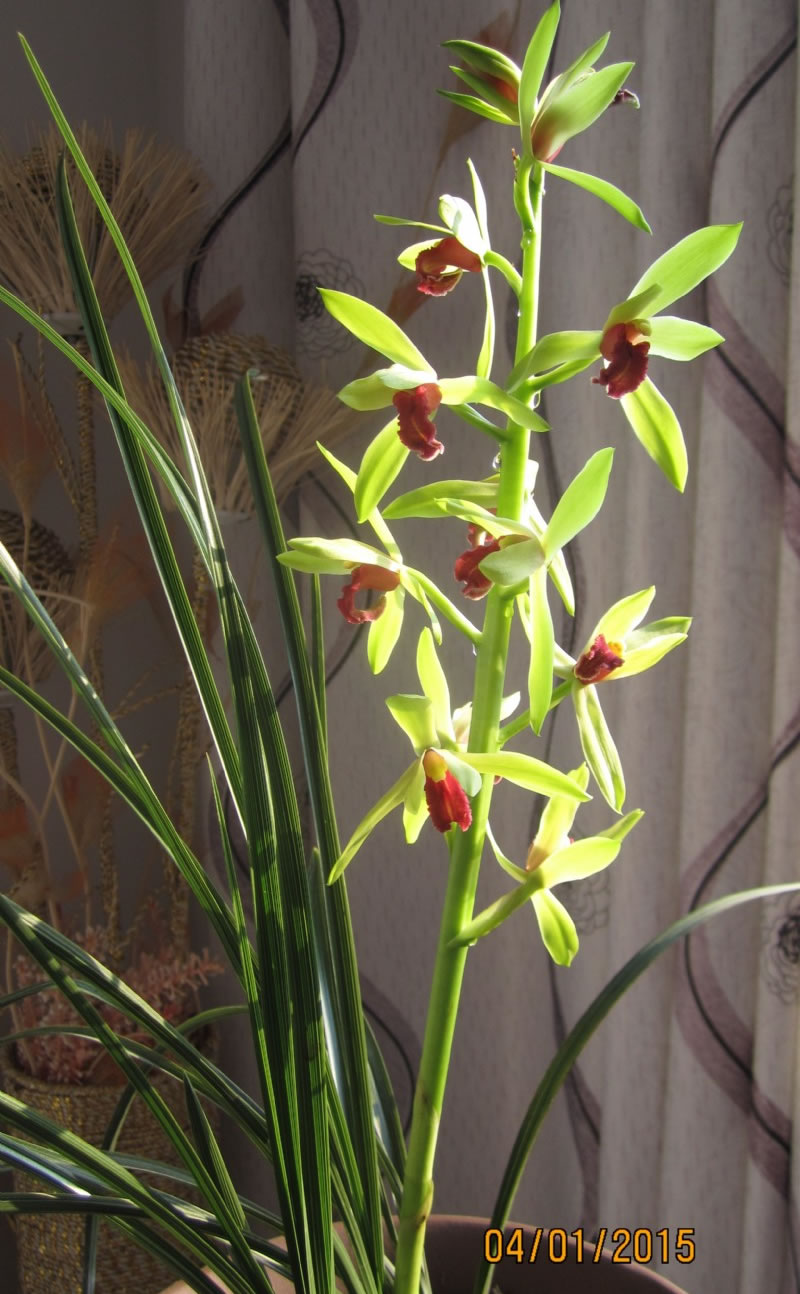
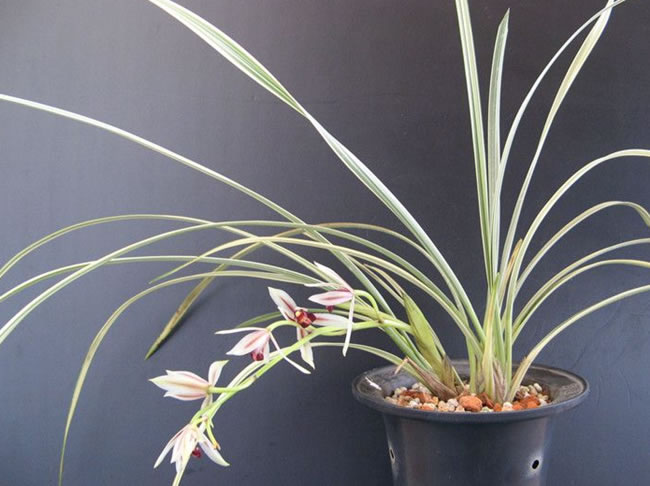
Most guolan are terrestrial herbaceous plants with thick, fleshy roots and narrow, strap-shaped leaves. The flowers are generally not large, yet their fragrance is long-lasting, and the flower colors tend toward the simple and elegant. Flowering periods vary among the different species: Cymbidium goeringii usually blooms in early spring, Cymbidium ensifolium can flower several times in summer and autumn, while Cymbidium sinense and Cymbidium kanran prefer to open in winter and spring. By pairing varieties sensibly, it is possible to have orchids to admire in all four seasons.
In caring for guolan, the growing medium and ventilation are key. The medium must be loose, breathable, and well-draining; before use it is best to give it secondary treatment, screening out dust and impurities to avoid it compacting over time and suffocating the roots. Watering should follow the principle of watering when dry and withholding when wet. During the high-temperature, high-humidity days of summer, stem rot and root rot are most likely to occur, so ventilation must be strengthened, watering appropriately controlled, and direct strong sunlight avoided.
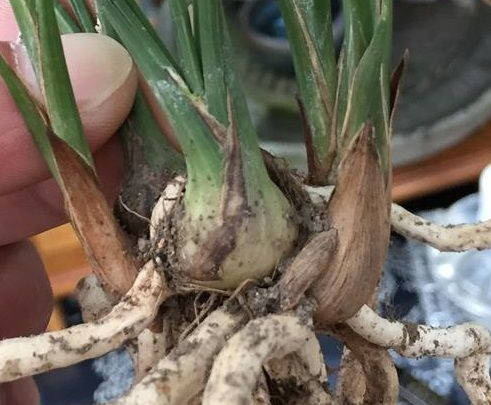
When introducing new plants, it is advisable to select vigorous seedlings with healthy roots and a sufficient number of shoots; weak seedlings take longer to establish and have a lower survival rate. Wounds left from dividing plants or pruning should be treated promptly and allowed to dry and heal before potting up, which can reduce the chance of pathogen infection. In terms of appreciation, the orchid world often uses terms such as plain-color flowers and colored flowers to distinguish flower color and quality; petal shape, fragrance, and leaf posture are all criteria for evaluation, and this is precisely where the enduring charm of guolan culture lies.
Related Reading