What Is a Ghost Seed? A Look at the Characteristics and Care of This Mysterious Seed
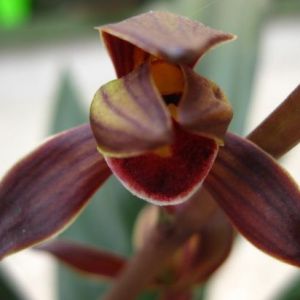
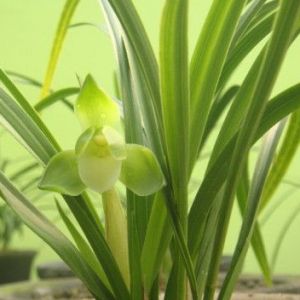
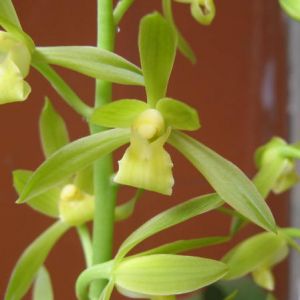
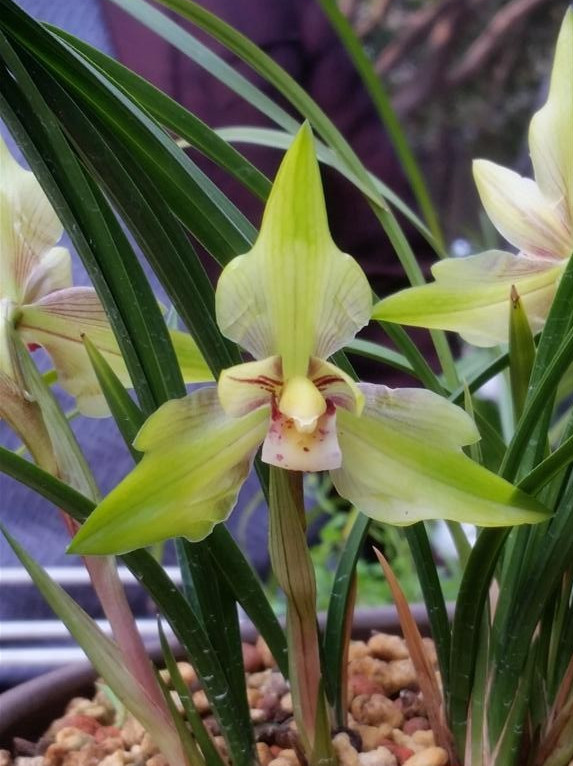
Ghost seed is not a formal botanical name, but a common trade name or elegant nickname used in the horticultural market, mostly for seeds or seedling materials of well-documented origin and available in small quantities. Among orchid enthusiasts, such poetic names appear from time to time; they may refer to seed progeny of orchids such as Cymbidium goeringii and Cymbidium sinense, or they may be applied to other ornamental flowers. When buying, you should rely on the scientific name and variety description, and not judge the plant's true identity by the name alone.
The reason these seeds seem mysterious has to do with the characteristics of the seeds themselves. Orchid seeds are extremely small, with almost no endosperm inside; under natural conditions they need to form a symbiosis with specific fungi in order to germinate, the emergence rate is low, the cycle is long, and the traits of seedling-grown plants are unstable, so you often have to wait until flowering to know what you have. This attempt full of unknowns is exactly where the pleasure of sowing seedling-grown plants lies for many enthusiasts.
When selecting seeds, pay attention to whether they are plump and whether there is mold or insect damage; try to choose reputable sources and ask the seller to provide information on the variety's origin. Before sowing, you can soak the seeds in warm water or disinfect them appropriately; the substrate should be loose, airy, clean and sterile. Orchid seeds generally require sterile sowing or symbiotic fungus techniques to germinate, so under home conditions it is more advisable to buy tissue-culture plantlets or mature plants directly. After emergence, pay attention to moisture retention and ventilation, give diffused light first, then gradually increase light intensity.
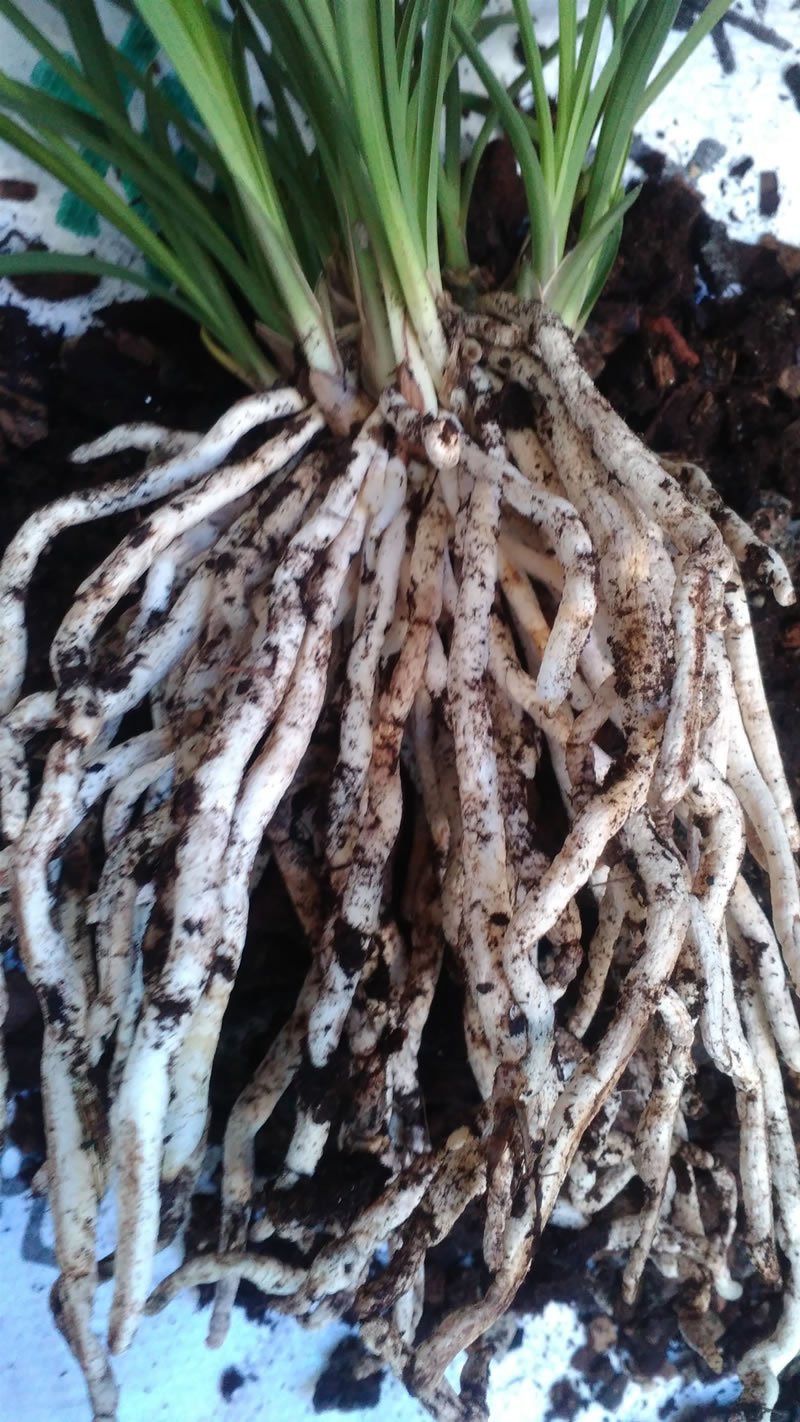
The common problems in care are mainly low germination rate, leggy seedlings and root rot, mostly related to an unclean substrate, excessive water or poor ventilation. If abnormalities are found, adjust the environment promptly and remove diseased and weak seedlings. For enthusiasts, the value of ghost seed lies more in the process of viewing and exploring; growing a tiny seed to a flowering mature plant is itself full of enjoyment. Patiently recording sowing time and changes in temperature and humidity also helps to sum up experience and improve the success rate.
Related Reading