Wild orchids grow in mountain forests: understanding the characteristics and protection of wild orchids
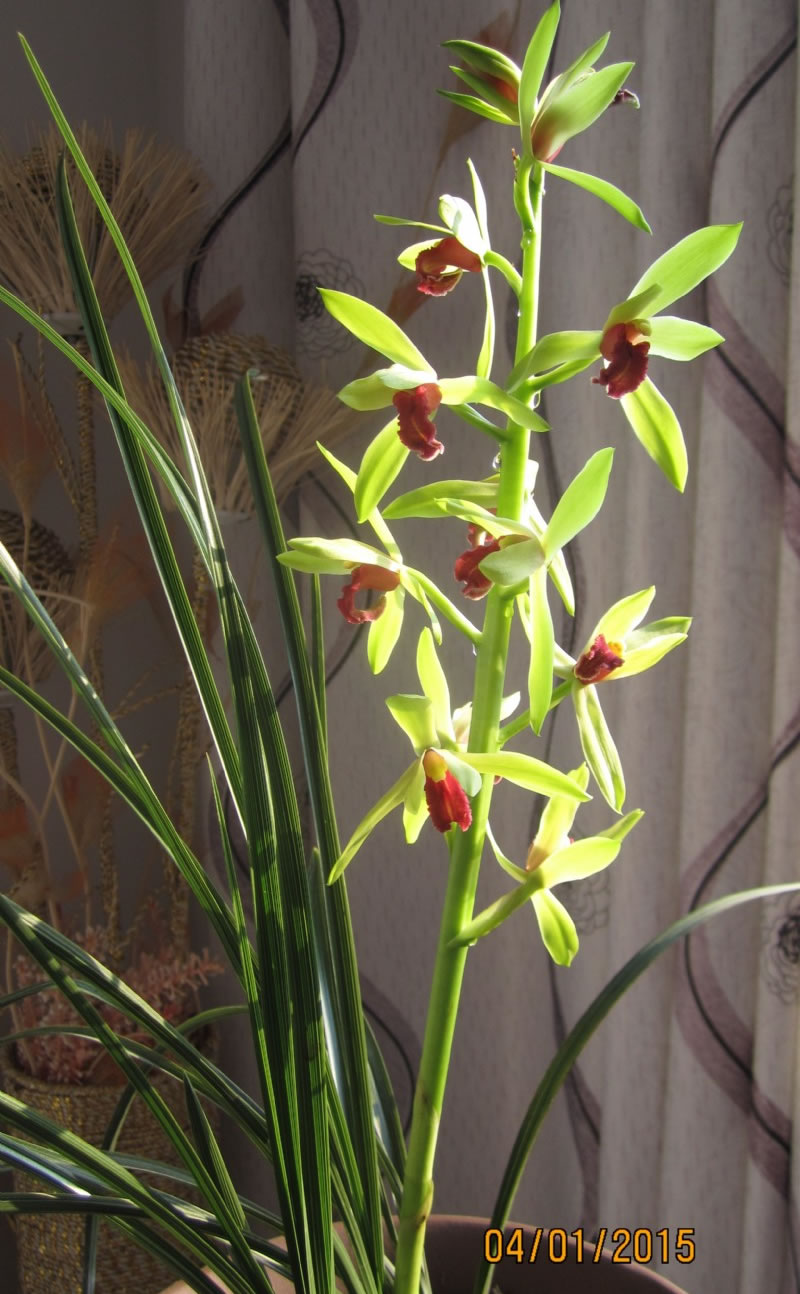
Wild orchids are orchid family plants that grow in mountain forests in their natural state, without having undergone artificial domestication and cultivation. Common wild orchids in China include Cymbidium goeringii, Cymbidium faberi, Cymbidium ensifolium, Cymbidium sinense, and Cymbidium kanran, mostly distributed in warm, humid mountainous areas. They usually grow under the forest canopy, on hillsides, or beside stream valleys in places rich in humus, preferring semi-shaded and well-aerated environments.
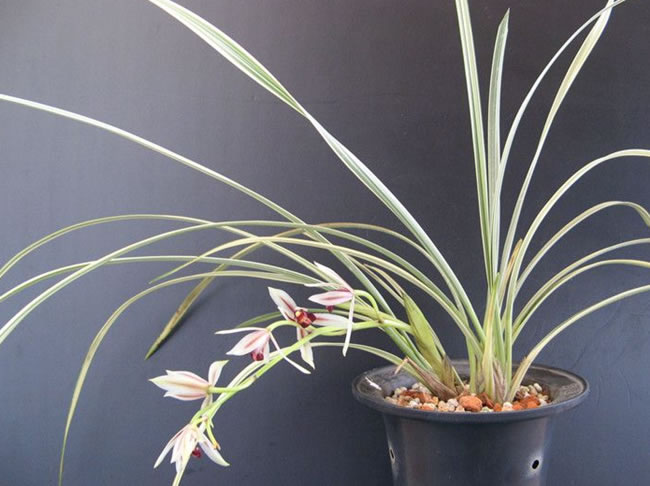
Through long-term natural evolution, wild orchids have developed unique ways of survival. Their seeds are tiny, and natural germination requires symbiosis with specific fungi. Their reproduction rate is slow, and once a population is damaged, it is very hard to recover. Wild plants vary richly in leaf shape and flower color, and many traditional orchid varieties were selected and bred from them.
In recent years, due to excessive digging and habitat shrinkage, wild orchid resources have noticeably declined, and many species have been listed in wild plant protection directories. Digging them up or buying and selling them at will may violate the law. When you encounter wild orchids in the mountains, just take photos and enjoy them; do not dig them up and take them home.
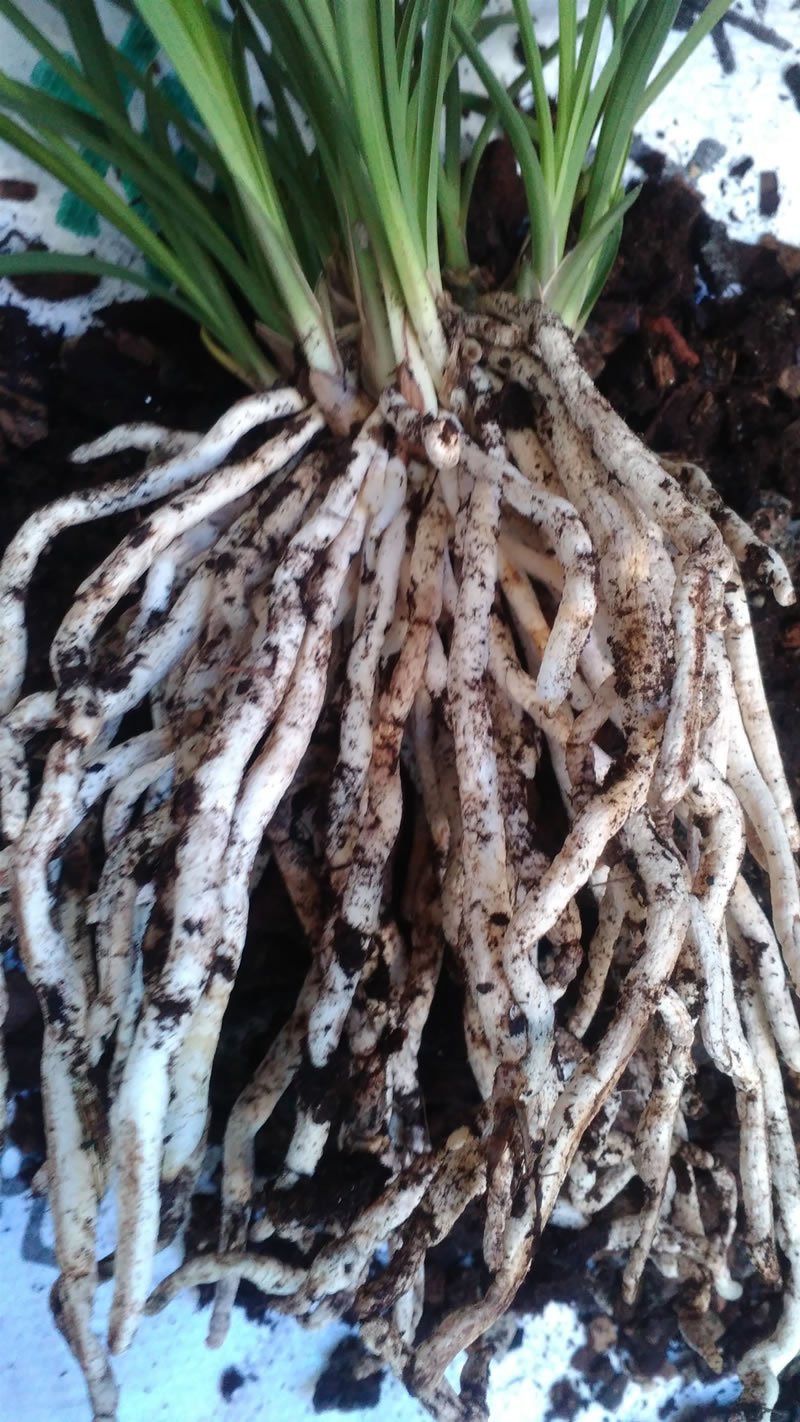
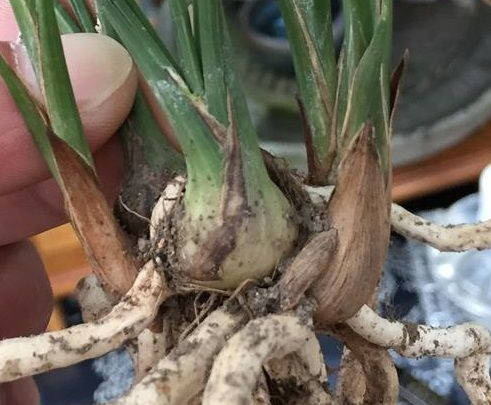
When orchid enthusiasts introduce plants, it is advisable to choose robust, artificially propagated plants, as the survival rate is better guaranteed. Newly collected wild plants often have considerable root damage, and the wounds should be treated promptly to prevent infection. In summer, when temperatures and humidity are high, rot is also likely to occur, and the planting medium is best treated before potting. Only with scientific care and patient acclimatization can wild orchids gradually adapt to a home environment.
Related Reading