Characteristics of Wild-Collected Orchids and an Introduction to Their Domestication and Care
Wild-collected orchids, also called raw plants, refer to wild orchid plants that have been dug up from the mountains and have not yet undergone artificial domestication and cultivation. They originally grew in mountain forests, and their native environment differs considerably from the conditions of home orchid growing. From digging to settling into a pot, they often need a period of domestication, so they have always received special attention from orchid enthusiasts.
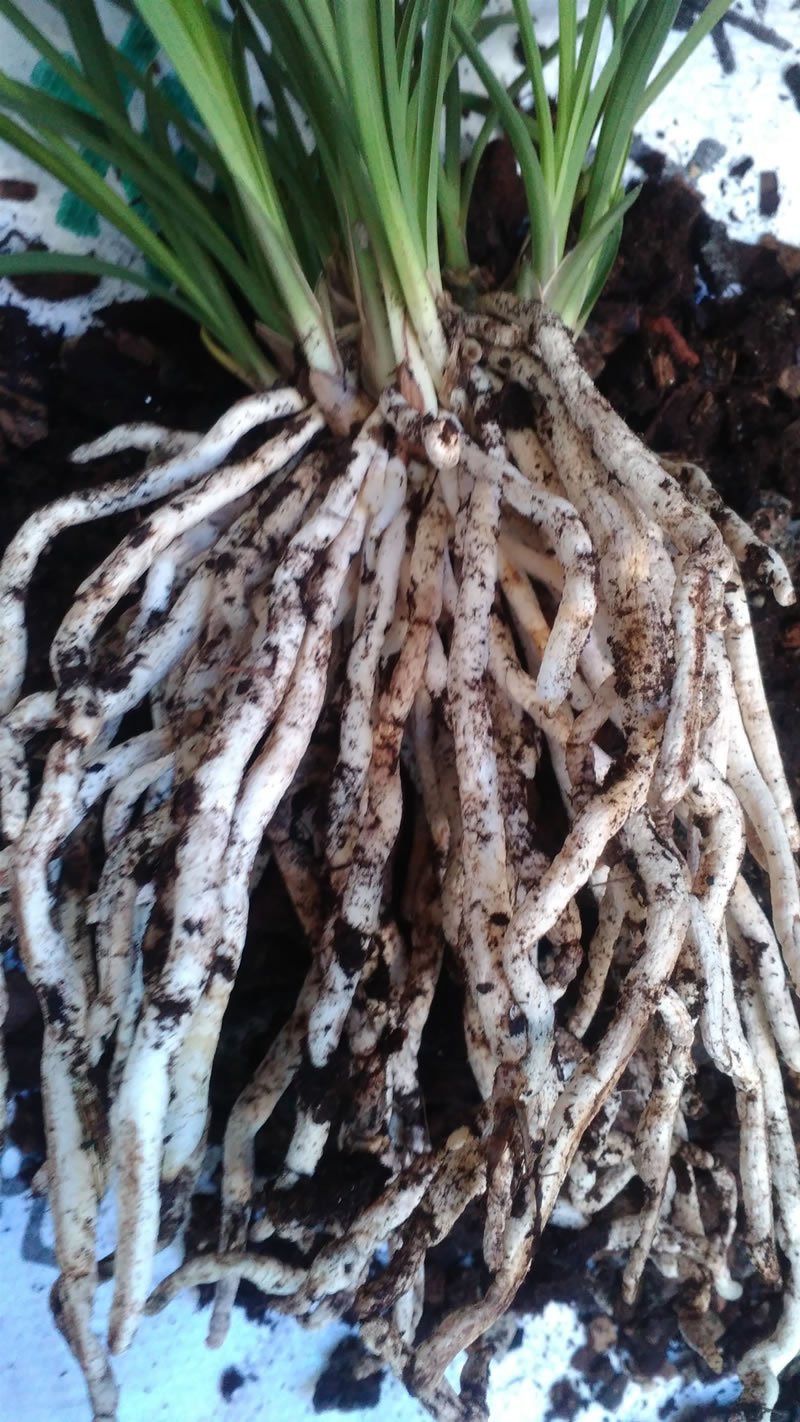
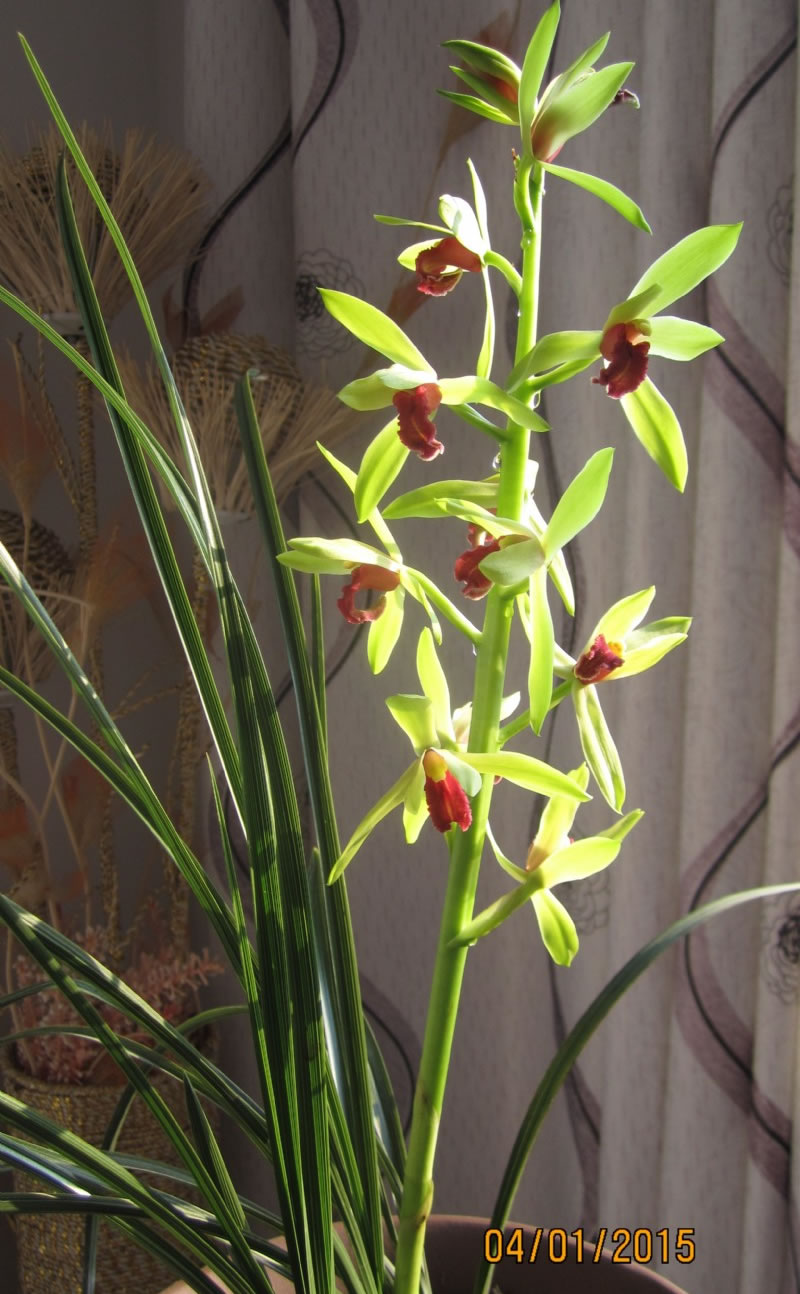
The roots of wild-collected orchids are mostly wild roots, usually rather slender or rough, and the leaves often bear traces of wind and frost, so the overall plant shape is less neat than that of established plants. Its greatest appeal lies in the fact that the flower quality is not yet stable: the blooms may be plain-colored flowers or colored flowers, and there is a possibility of selecting novel varieties, which is also the reason many orchid enthusiasts are willing to try introducing them.
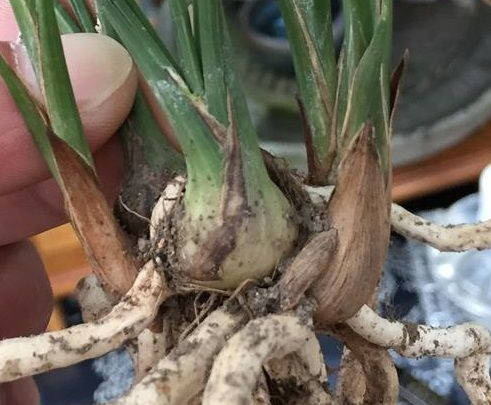
When cultivating wild-collected orchids, the first step is to properly treat the potting medium a second time, choosing a loose, breathable medium to reduce residual pathogens and impurities. Wounds produced during digging and transport should be cleaned up promptly; by making use of the orchid's ability to heal its own wounds, combined with disinfection measures, the chance of infection can be reduced. In summer, with high temperature and high humidity, newly planted wild orchids are most prone to rot, so ventilation should be strengthened, watering appropriately controlled, and shading noted.
When introducing plants, choose specimens with intact roots and robust growth; the survival rate of strong seedlings is clearly higher. In the early stage of domestication, do not rush to fertilize; wait until new roots sprout and the plant recovers its vigor, then gradually shift to routine management. After several years of careful care, wild-collected orchids can also develop stable and beautiful flower quality.
Related Reading