Wang Hongbin's orchid-growing story is connected with several orchid varieties
Wang Hongbin is a commonly seen figure entry in the orchid field. In orchid-growing circles, this name is mostly associated with the selection, cultivation and promotion of orchids, and he is one of the orchid growers that enthusiasts pay relatively close attention to. There is not much detailed public information about his life, and in their exchanges orchid enthusiasts mention more often the varieties and orchid-growing experience related to him.
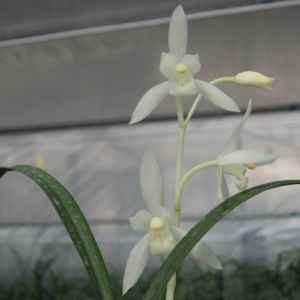
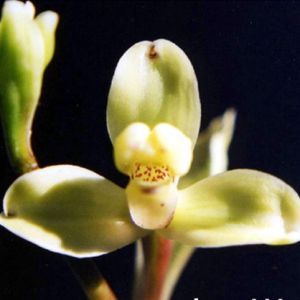
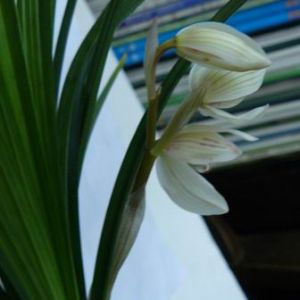
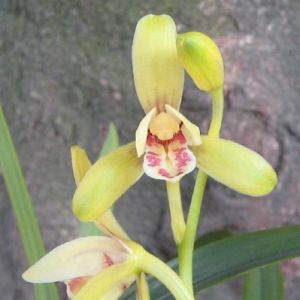
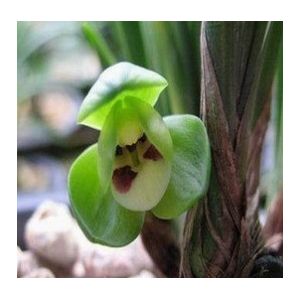
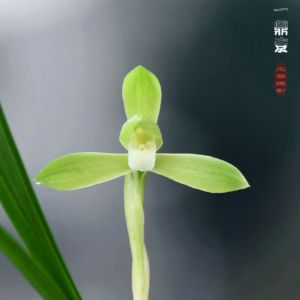
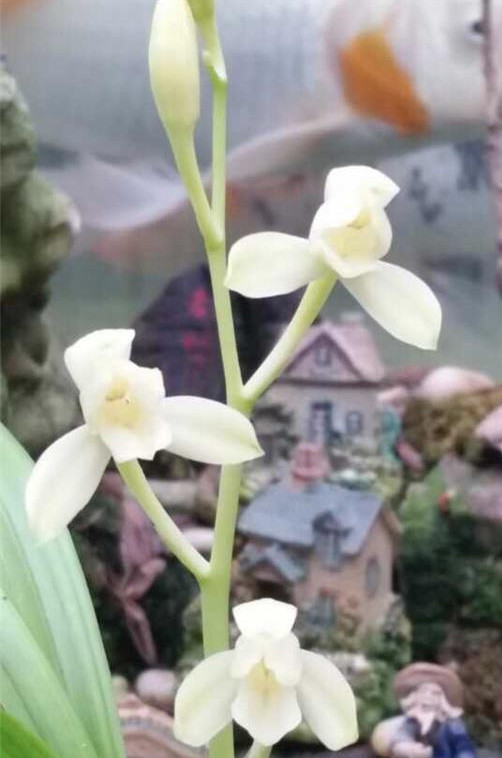
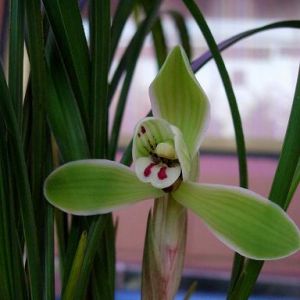
From the related reads on the site, it can be seen that the range of varieties surrounding this name is quite broad: there are Cymbidium ensifolium types such as Wuchen (Ruixue) Jianlan and the new yellow-flowered Jianlan, as well as Cymbidium lianpan types such as Shoumei and Zhusi Baihe, and also include Cymbidium goeringii types such as Yiding Su and hybrid varieties like Yulinglong. Jianlan, Lianpan and Chunlan each have their own characteristics in flowering period, flower color and fragrance, and being involved with several categories at the same time shows that his interest in orchid appreciation is fairly broad.
In orchid circles, from discovery to recognition, a new variety often has to go through the process of seedling selection, reblooming verification and the accumulation of reputation. Variety names are often decided by the breeder or the introducer; some are taken from flower color or flower shape, while others carry a personal mark. Traditional petal-type aesthetics such as lotus petals, plum petals and plain hearts are still important references for judging orchid quality today, and they are also commonly used ideas when naming new varieties.
For ordinary orchid enthusiasts, learning about the stories behind orchid growers and varieties is mostly to help with purchasing and appreciation. When choosing orchids, rather than chasing novelty and rarity, it is better to first look at whether the plant's growth is robust, whether the flowers open properly and whether the fragrance is pure, and then combine that with your local climate and care conditions to choose a suitable variety; in this way you will be more confident in growing it after you get it.