Characteristics of Tuzet Fungicide and Precautions for Its Use
Tuzet is a broad-spectrum protective fungicide made by combining two types of fungicidal ingredients, an organic arsenic compound and an organic sulfur compound. Its main components include monomethylarsonic dithiocarbamate (monosodium methanearsonate), ziram and thiram. It has a long history of use in agricultural production and is commonly used to control a variety of fungal diseases, making it one of the older, more familiar products among growers.
In terms of characteristics, Tuzet has a relatively broad fungicidal spectrum. It acts mainly as a protectant while also having some curative effect. After the spray solution is applied, it forms a protective layer on the plant surface, making it suitable for use before disease onset or in the early stages of infection. It provides fairly consistent control by blocking pathogen infection and inhibiting the spread of disease.
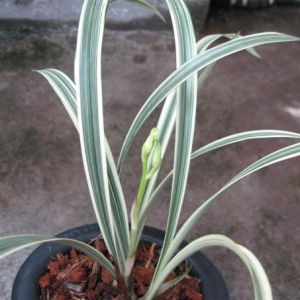
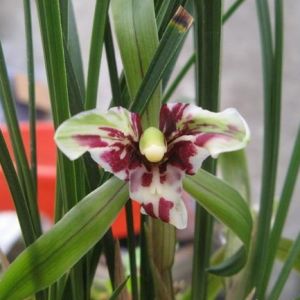
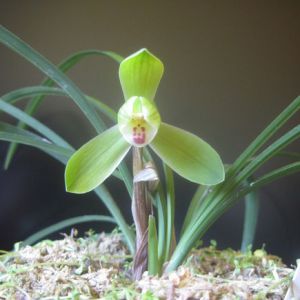
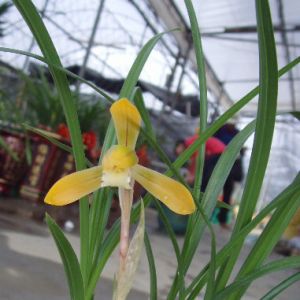
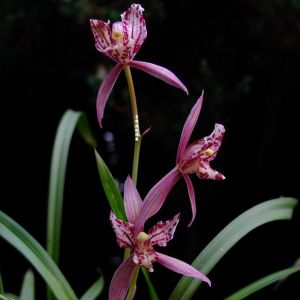
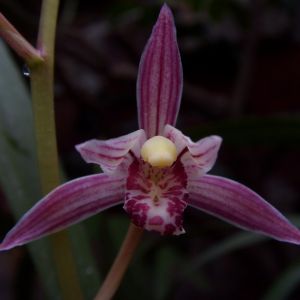
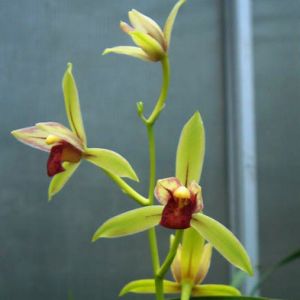
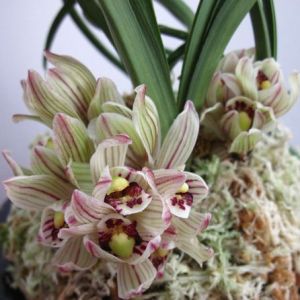
In terms of its range of applications, Tuzet was once widely used in fruit trees, vegetables, field crops and flower cultivation, and it can control many common fungal diseases such as anthracnose, powdery mildew, downy mildew and banded leaf and sheath blight (sheath blight). In the care of ornamental plants such as orchids, some hobbyists also dilute it according to the instructions and spray it to prevent fungal problems such as stem rot and leaf spot.
When using it, note that Tuzet contains arsenic and is relatively toxic, so personal protection should be taken when mixing and spraying to avoid skin contact with the solution or inhaling it. It cannot be mixed with alkaline pesticides or copper-containing agents, otherwise it may easily cause phytotoxicity or reduce efficacy. In addition, the pre-harvest interval must be observed, and application should be stopped as harvest approaches. Because its arsenic-containing components pose certain risks to the environment and human health, its use is currently restricted in some areas. When purchasing, you can take local regulations into account and consider safer alternative fungicides when necessary.