Water lily seeds can be sown and grown into seedlings, and the key is mastering the methods for harvesting and sprouting them
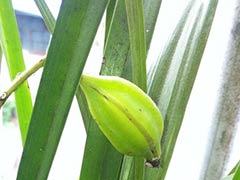
The water lily is a common aquatic ornamental plant, and its seeds come from the fruit that sinks into the water after flowering. Its fruit is a berry, which splits open in the water once ripe, and the seeds then scatter across the bottom. Water lily seeds often carry a layer of gelatinous material on the outside, which can create buoyancy when exposed to water and drift with the current to settle elsewhere; this is also how it spreads and reproduces in nature. Compared with lotus seeds, water lily seeds are much smaller and finer.
These seeds do not tolerate drying, and after leaving the water they easily lose moisture and shrivel, causing their germination ability to decline noticeably. Therefore, after harvesting they should be kept moist, and it is best to sow them as soon as they are collected, avoiding prolonged drying or dry storage. If short-term storage is needed, the seeds can be soaked in clean water, placed in a cool, shaded spot, and the water should be changed regularly to prevent it from going bad.
Before sowing, the seeds can first be placed in warm water to sprout, keeping the water temperature warm and stable; generally, sprouts can appear gradually within a few days to about two weeks. After the sprouts emerge, they can be moved to seedling cultivation, using pond mud or fine sand as the substrate, placing the seeds lightly on the surface of the substrate, and then adding shallow water; never bury them deeply. After the young seedlings grow juvenile leaves that float on the water surface, make sure there is ample light and clean water, and gradually deepen the water level as the seedlings grow.
Propagating water lilies from seed costs relatively little, making it suitable for home gardening enthusiasts who like to do things by hand, and it is also often used in waterscape arrangements and the breeding of new varieties. It should be noted that many horticultural varieties are hybrid offspring, so after sowing, the flower color and flower form of the next generation may change and may not be identical to the mother plant. If you want to reliably preserve the characteristics of a variety, you can also choose asexual propagation methods such as division.