A Detailed Guide to the Characteristics of Rock Orchid Varieties and Everyday Care Methods
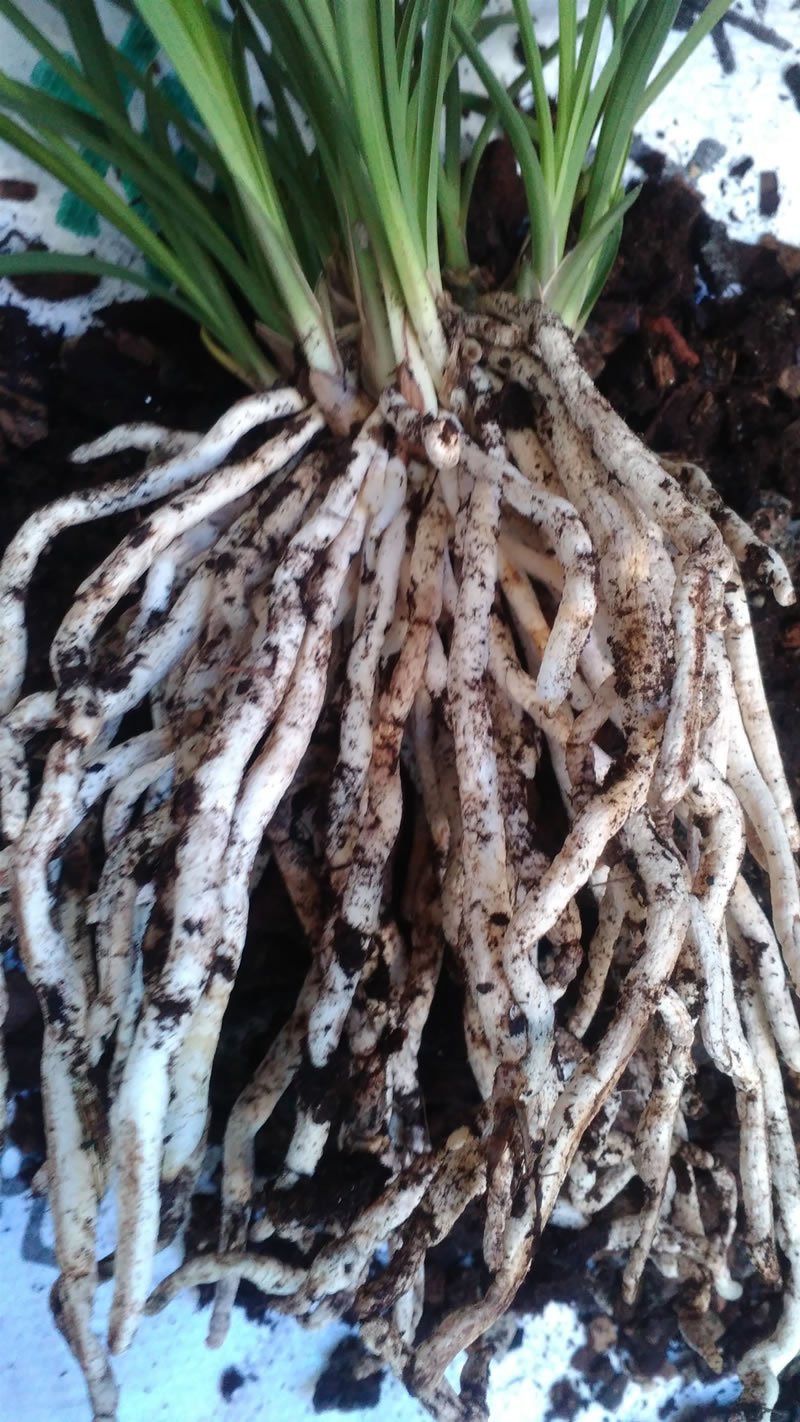
Rock orchid is a fairly broad term among plants of the orchid family (Orchidaceae); it usually refers to epiphytic orchids that grow attached to rocks or tree trunks, and some orchid growers also casually call Dendrobium orchids rock orchids. These orchids are mostly distributed in the mountains of the south, often taking root in the humus within rock crevices and relying on exposed aerial roots to absorb water and nutrients from the air; they are a typical type of aerial orchid.
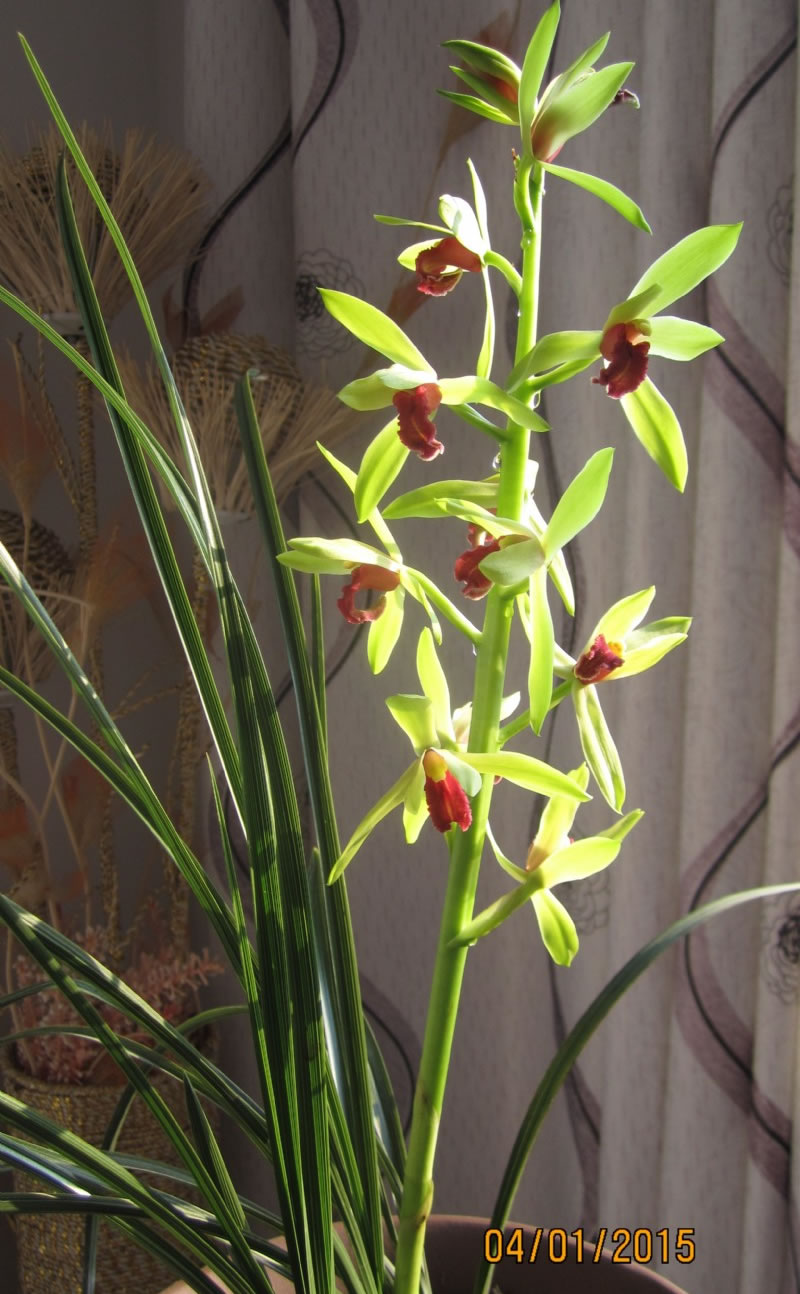
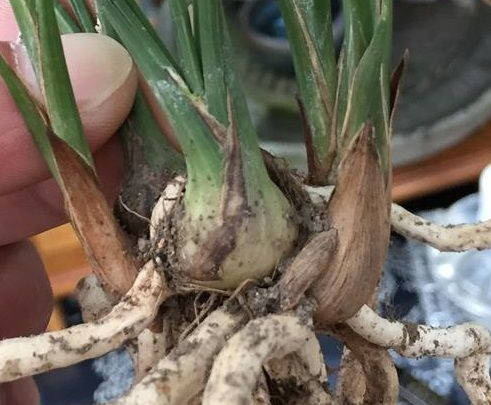
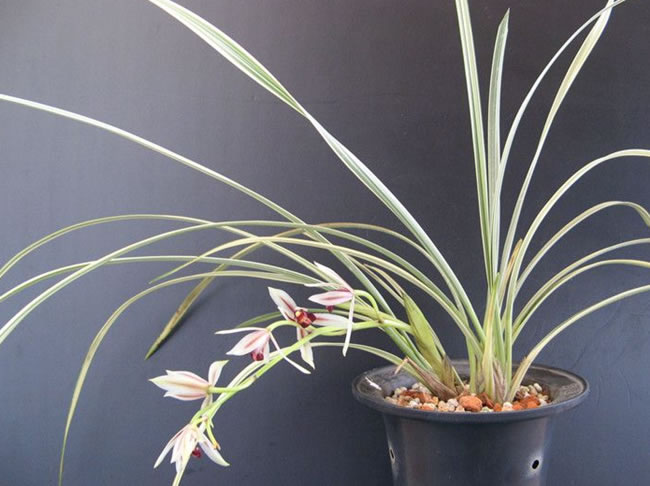
In terms of form, the stems of rock orchids often swell into pseudobulbs or show distinct nodes, and the leaves are mostly leathery and rather thick in texture. The flowers are rich in form, with flower colors ranging from pure, understated plain flowers to vividly colored flowers, and some varieties are even fragrant when in bloom, giving them high ornamental value.
When cultivating rock orchids, the choice of growing medium is key; a mix of bark, sphagnum moss, crushed stone and the like is commonly used, and it must be loose, breathable and well draining. It is best to treat the medium a second time before use so that it does not carry pathogens. For everyday placement, choose a spot with plenty of scattered light and good ventilation, and keep the environment moist but not waterlogged. Stem rot and root rot are most likely to occur during the hot, humid summer, so watering should be moderated and ventilation increased; wounds caused by division or pruning should be treated and disinfected promptly, and the plant should be repotted only after they have healed naturally, which can reduce the chance of pathogen infection.
When introducing new plants, choose strong seedlings with robust roots and plump leaves, and during the acclimatization period avoid direct strong sunlight and heavy watering. Rock orchids are much-loved ornamental flowers, and some Dendrobium species also have a folk medicinal tradition, giving them both ornamental and practical value.
Related Reading