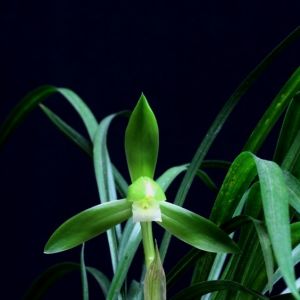
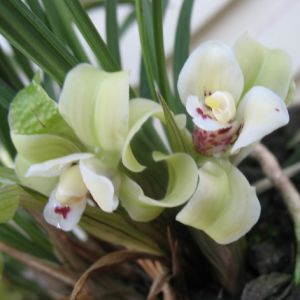
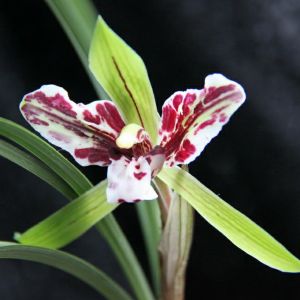
Qiānlǐxiāng (Murraya paniculata, orange jasmine) has a rich, intense fragrance and is well suited to courtyard hedges and bonsai cultivation
Qiānlǐxiāng (Murraya paniculata, orange jasmine) is an evergreen shrub or small tree of the genus Murraya in the family Rutaceae, and among the general public it is also often called Qīlǐxiāng, Wànlǐxiāng or Guòshānxiāng. Its branches and leaves stay green all year round, its pinnately compound leaves are glossy and lustrous, and its small white flowers open in clusters with a rich fragrance that can be smelled from far away; it is precisely because the scent carries so far that it got this name. The small fruits that form after flowering turn red when ripe and are likewise quite ornamental.
Qiānlǐxiāng is mainly distributed in warm-climate regions such as South China and Southwest China, and it likes a sunny, warm and humid environment; it tolerates heat but fears severe cold. As long as the temperature is suitable, it can keep blooming over a fairly long period. Because its branches are supple, its sprouting ability is strong and it tolerates pruning well, it is often used as a courtyard hedge and is also a common material for making bonsai.
When grown at home, its care is not especially complicated. It likes loose, fertile, well-drained soil; watering should follow the principle of watering when dry and letting it dry out between waterings, avoiding waterlogging that causes root rot; during the growing season, apply light fertilizer frequently, and after flowering prune overly long branches appropriately, which both keeps the plant's shape attractive and helps it bloom again.
It should be noted that in northern winters, when temperatures are low, the plant should be moved indoors to a sunny spot to prevent cold damage. When it is stuffy and poorly ventilated for a long time, it is prone to scale insects and red spider mites; once found, improve the environment and deal with them promptly. In addition, there is a folk practice of using the leaves and roots of Qiānlǐxiāng as herbal medicine; if needed, consult a professional and do not use it on your own at will.
Related reading