Variety Characteristics and Care Methods of the Beautiful Bigfoot Orchid
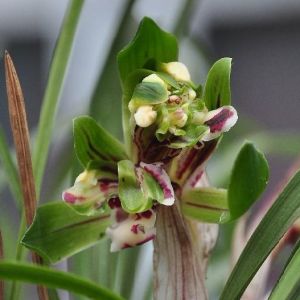
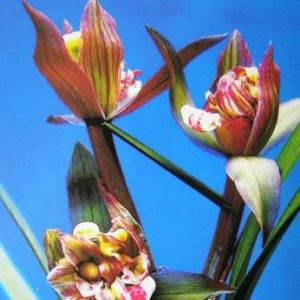
Beautiful Bigfoot is a cultivated variety among Chinese orchids that wins admirers for its flower form. The "bigfoot" in its name usually refers to the broad petal bases at the bottom of the flower, giving the open bloom an overall look that is relaxed and grand. In orchid naming conventions, it is fairly common to name a variety after its morphological features; such names are intuitive and easy to remember, and they also make it easier for orchid growers to identify the plant when discussing and introducing it.
From an ornamental point of view, the strength of this kind of variety lies in flowers that are large yet still harmonious. The broad petal bases make the blooms look full and lively, and paired with the flowing lines of orchid leaves, the overall sense of layering is strong. The flowering period is mostly concentrated around spring, though the exact time varies slightly with the growing environment. The flower color generally follows a fresh and elegant path, making it a type that is easy on the eyes over time and suitable for placing on a balcony, in a courtyard, or in an orchid room.
As for care, this kind of orchid likes loose, breathable, slightly acidic growing medium, commonly mixed from bark, Kanuma soil, and similar materials. Watering should follow the principle of drying out between waterings, avoiding long-term waterlogging in the pot that can cause root rot; light should mainly be bright, indirect light, with appropriate shading in summer and more soft sunlight in autumn and winter. During the growing season, apply thin fertilizer frequently, keeping the concentration on the weak side rather than the strong side. Good ventilation is the prerequisite for growing orchids well.
One thing to keep in mind is that it is not uncommon in the orchid market for different plants to share the same name. When introducing a plant, it is best to judge by the actual bloom and leaf characteristics, and to choose vigorous seedlings with healthy roots and no disease spots. After a new seedling arrives home, let it acclimatize and settle into the pot first; for a short period, repot less and fuss over it less. Once new roots grow, switch to normal management, and subsequent reblooming and growth will go more smoothly.