A Detailed Guide to Orchid Planting Methods and Daily Care Techniques
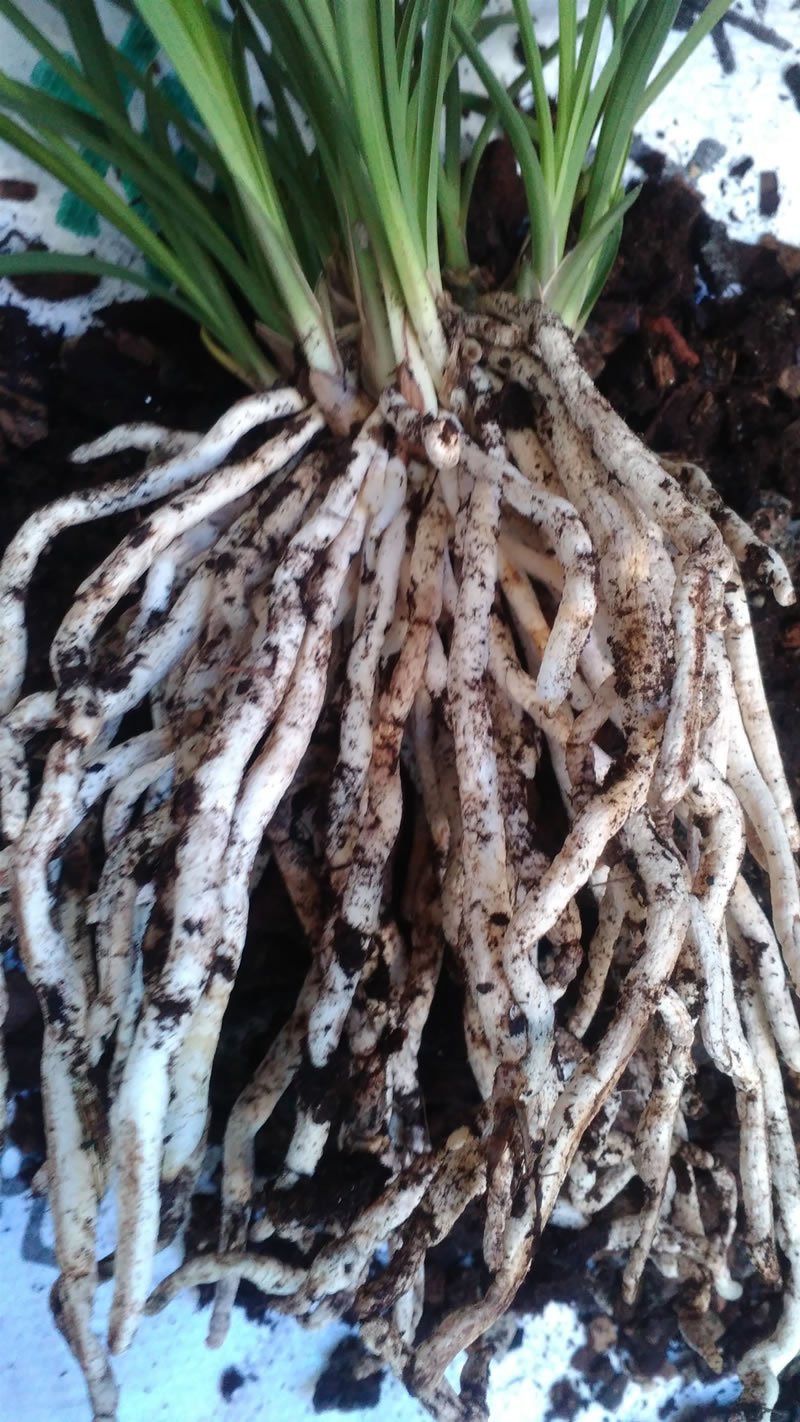
Orchids are traditional famous flowers, and their planting methods differ considerably from those of ordinary herbaceous flowers. Their root system consists of fleshy roots with epiphytic or semi-epiphytic habits, so the core of planting lies in airy potting medium, a well-ventilated environment and water control, rather than simply relying on fertilizer to force growth.
Choosing the potting medium is the first step to growing orchids well. Common formulas are based mainly on granular materials such as bark, Kanuma soil, volcanic stone and tree-fern fiber, with emphasis on being loose, airy and well-draining. Before use, the medium is best given secondary treatment such as washing, soaking and disinfection, which can reduce the hidden risks posed by pathogens and impurities.
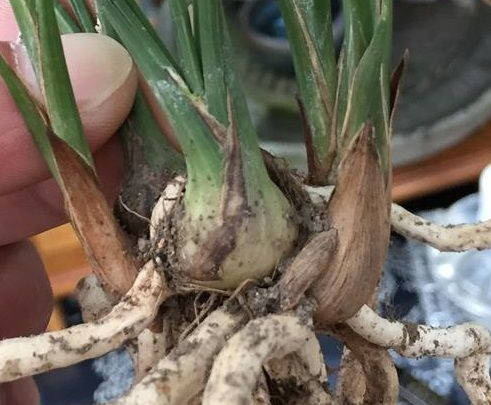
The condition of the seedlings at the time of introduction directly affects the survival rate. It is generally recommended to choose strong seedlings with intact roots, glossy leaves and no diseased spots or wounds; weak and diseased seedlings recover slowly and are also harder to manage later on. When potting, if division or trimming of old and residual roots is needed, the cuts should be air-dried or disinfected, and planting should wait until the wounds have healed, which can lower the risk of rot.
In daily management, watering should follow the principle of watering when dry and letting dry between waterings, preferring dry over waterlogged. In summer, with high temperature and high humidity, orchids are prone to problems such as soft rot and stem rot, so ventilation must be strengthened, stuffy dampness avoided, and shading and cooling done well. Spring and autumn are the peak growing seasons, when light and water-fertilizer can be appropriately increased, while in winter water should be controlled and warmth maintained so the orchid plants can enter dormancy smoothly.
As long as the key links of potting medium, water, ventilation and light are grasped, orchids are not difficult to grow. Beginners can start with common, tough and easy-to-grow varieties, accumulate experience step by step, and then gradually try more expensive varieties, which allows them to better appreciate the joy of growing orchids.
Related Reading