Orchid Planting Methods and Daily Care Essentials
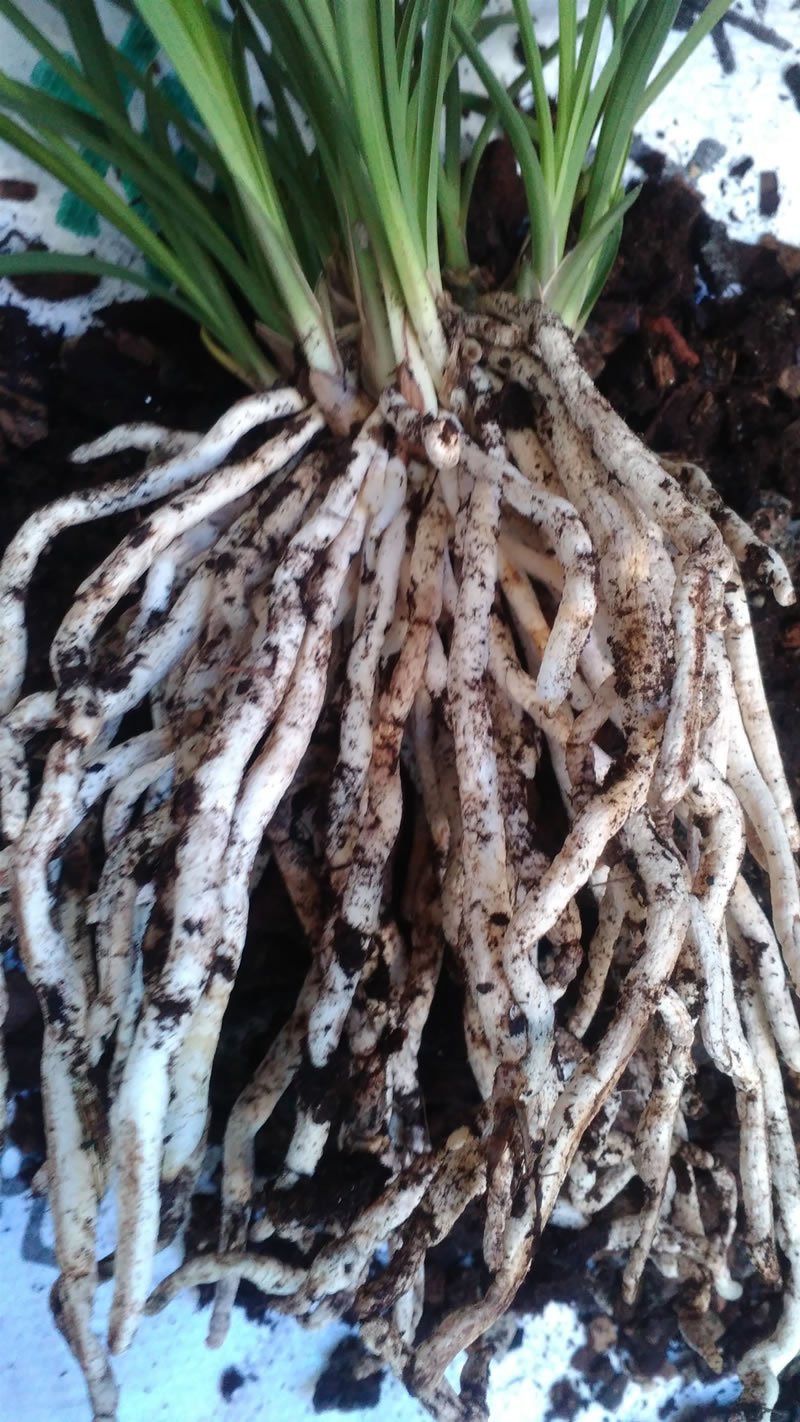
Orchid planting refers to the cultivation process of configuring potting medium, managing water, and regulating the environment so that orchids grow healthily and bloom normally. Orchid roots are mostly fleshy roots with high demands for airflow and drainage, so their planting method differs noticeably from that of ordinary herbaceous flowers.
Choosing the potting medium is the foundation of growing orchids well. Common potting media include bark, Kanuma soil (Japanese akadama substitute), tree fern fiber, and leaf mold, with the overall requirements being loose, airy texture that drains well while retaining moisture. No matter which material is chosen, it is best to disinfect or reprocess it before potting to reduce residual pathogens and lower the risk of root rot.
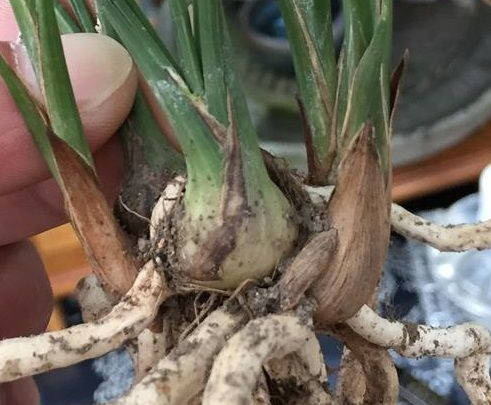
In daily care, watering should follow the principle of letting the medium dry before watering again, avoiding long-term waterlogging in the pot. Light should be soft, diffused light; in summer, shade appropriately and increase ventilation, because a hot, humid environment easily triggers stem rot and soft rot. When wounds appear on the orchid plant, clean them promptly and let them dry; wounds that heal poorly often become the entry point for pathogens.
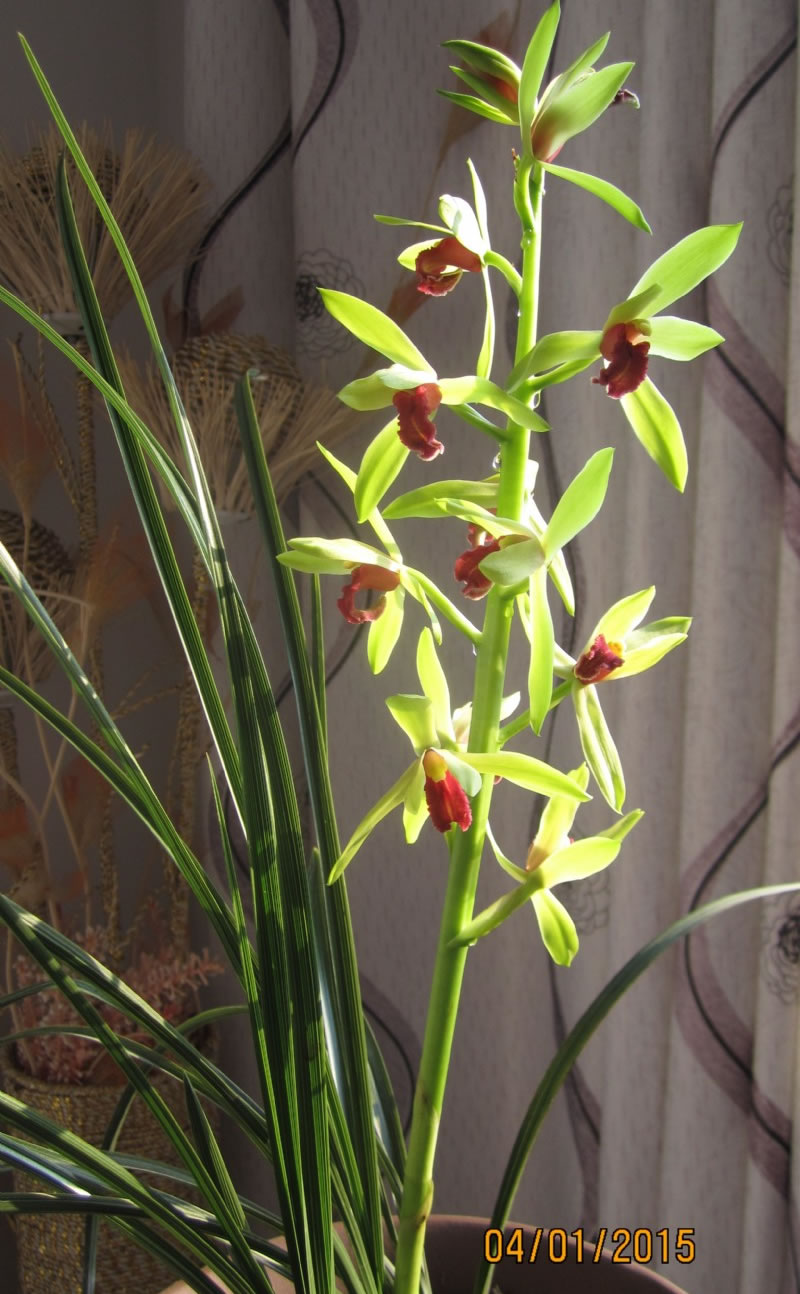
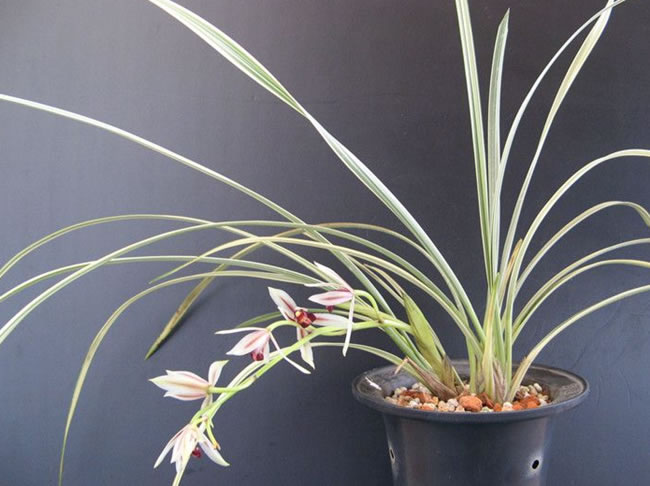
When introducing new plants and potting them, it is advisable to select strong seedlings with robust roots and intact leaves, as both the survival rate and later growth will be more assured. Normally you can also learn common terms such as plain-color flowers and colored flowers, making it easier to choose varieties according to your own preferences. Overall, as long as you grasp the key links of potting medium, water, and ventilation, orchids are not difficult to grow.
Related Reading