An Introduction to the Characteristics of the Lao Qiu Orchid Variety and Its Routine Care Methods
Lao Qiu is a variety name circulated in Chinese orchid (guolan) cultivation, passed around mostly by word of mouth among orchid enthusiasts. Orchid varieties are often named after the surname of the person who discovered or bred them, and the name Lao Qiu clearly bears the mark of a personal name, reflecting the habit of variety inheritance in traditional orchid culture.
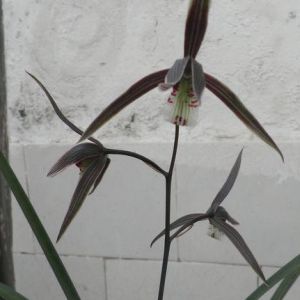
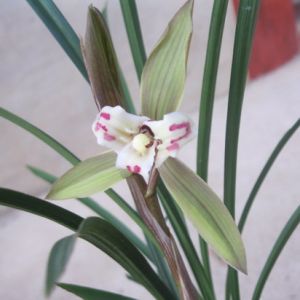
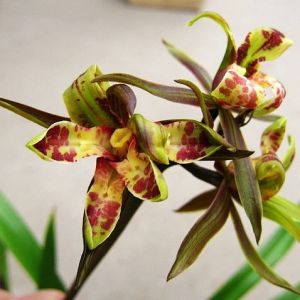
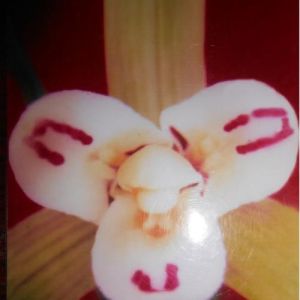
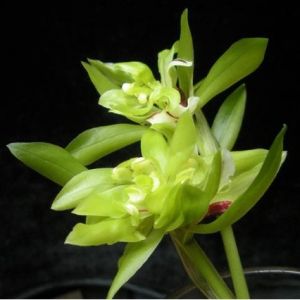
As a traditional variety, Lao Qiu generally follows the common characteristics of Chinese orchids in plant form and leaf posture, with slender, gracefully arching leaves. When it blooms, the flower colors are elegant and the fragrance is subtle and far-reaching, with the main ornamental points being the petal shape, flower color and scent. The blooms vary slightly under different growing conditions, which is precisely where the pleasure of appreciating Chinese orchids lies.
As for care, Lao Qiu prefers a loose, airy, slightly acidic growing medium, commonly mixed from materials such as bark and Kanuma soil (Japanese pumice) to ensure the roots can breathe freely. In daily care it should be placed in a well-ventilated spot with diffused light, and watering should follow the principle of watering when dry and letting it dry between waterings, to avoid long-term water accumulation in the pot, which can otherwise easily lead to root rot or diseases such as stem rot and rot of the growing tip.
Spring and autumn are the peak growing seasons, when a diluted fertilizer may be added as appropriate; in summer, take care to provide shade and cooling, and in winter keeping the potting medium on the dry side is better for dormancy. When buying, it is advisable to check whether the leaves are intact and the roots robust, and to obtain stock from a reputable orchid nursery or a familiar orchid enthusiast, to reduce the risk of inferior plants being passed off as good ones, and to make subsequent care less troublesome.
Related Reading