An Analysis of Orchid Planting Methods and Key Points for Daily Care
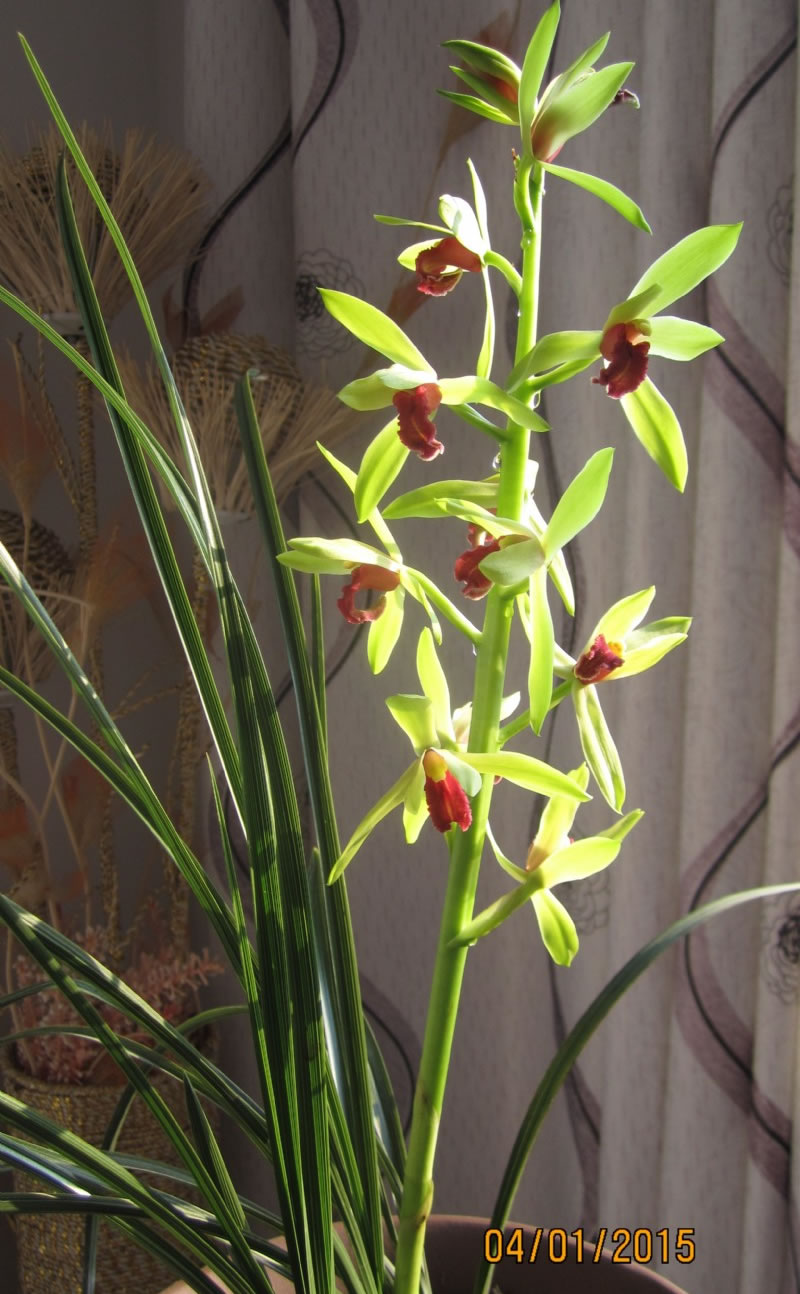
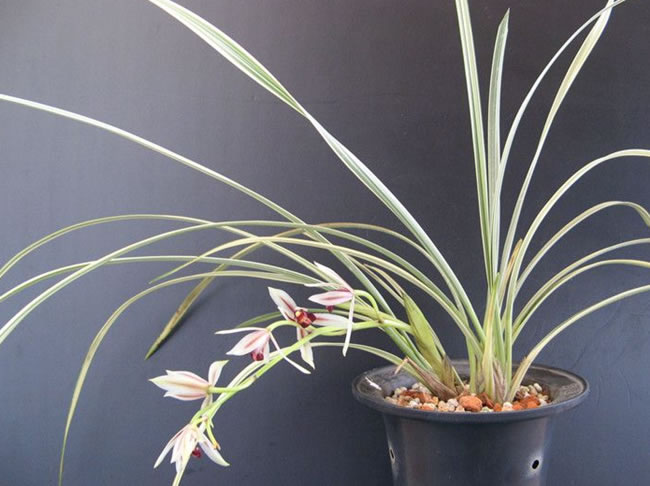
Orchid planting refers to the process of artificially cultivating ornamental plants of the Orchidaceae family. Common varieties include Chinese orchids such as Cymbidium goeringii, Cymbidium faberi, Cymbidium ensifolium, Cymbidium sinense, and Cymbidium kanran. Orchids have an elegant plant form and a subtle, far-reaching fragrance. They can serve as potted ornamentals and are also an important part of traditional horticultural culture. In appreciation and exchange, orchids are often further classified by flower color into categories such as plain flowers and colored flowers; understanding these terms helps with selecting seedlings and evaluating plants.
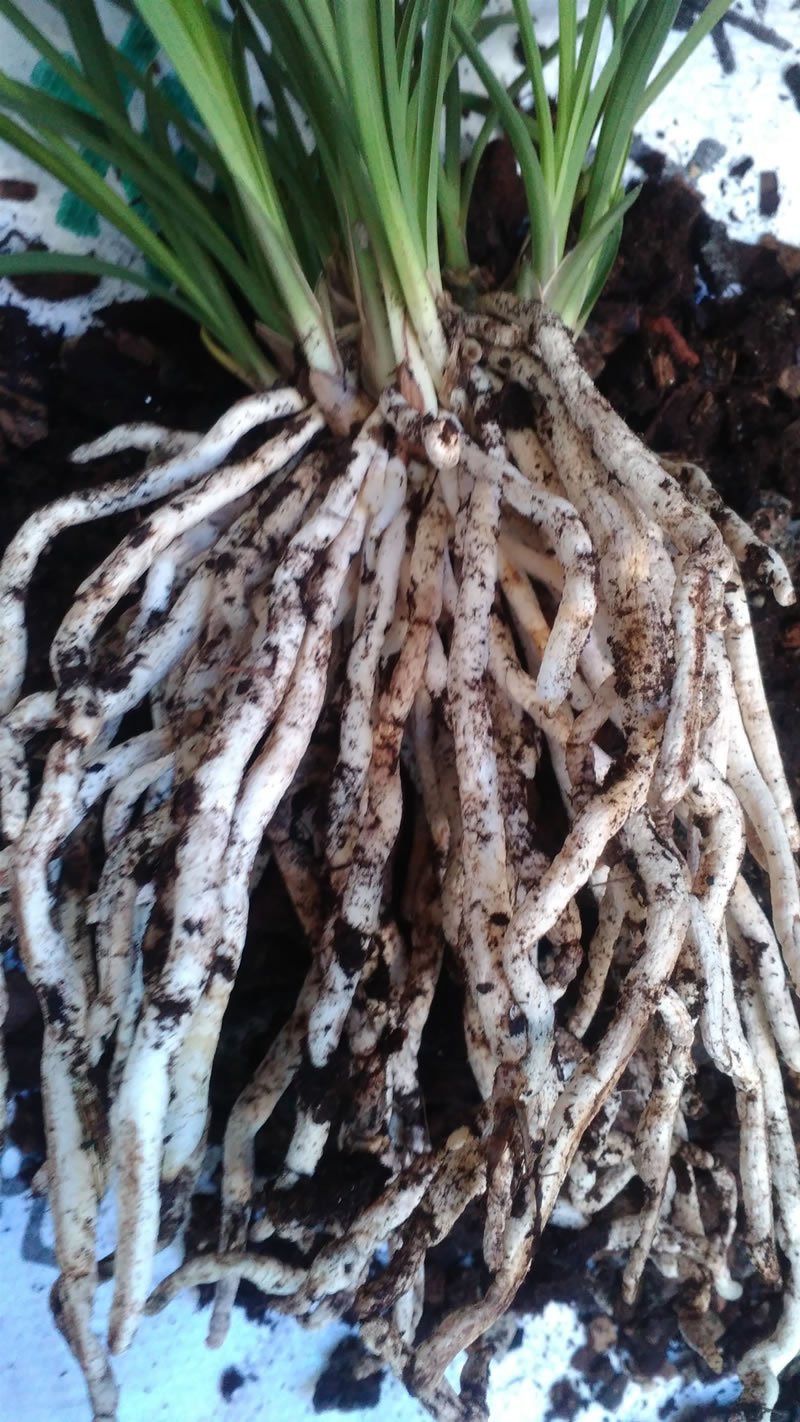
Orchids mostly have fleshy roots and live in symbiosis with beneficial fungi, so they have relatively high requirements for the growing medium. The planting material needs to be loose, breathable, and well-draining. It is often mixed in proportion using materials such as bark, volcanic stone, and humus soil. Before use, it should be disinfected or treated a second time to reduce residual pathogens.
In daily care, orchids prefer diffused light and circulating air, and they should be protected from intense direct sunlight and from stuffy, waterlogged conditions. Watering should follow the principle of watering when dry and letting it dry between waterings, and fertilizing should follow the principle of light fertilizer applied frequently. Nutrients should be supplemented appropriately during the growing season, while water and fertilizer should be reduced during dormancy to avoid root rot.
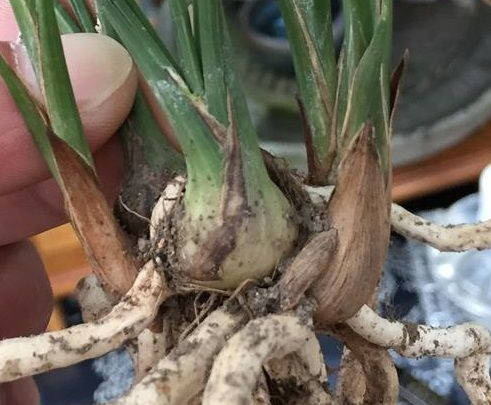
During periods of high temperature and high humidity in summer, orchids are prone to diseases such as stem rot and soft rot, so ventilation and cooling need to be strengthened, and diseased plants should be removed promptly. Wounds caused by division and repotting can be protected by air-drying or applying medication to promote healing and prevent pathogens from entering through the wounds. When introducing new seedlings, vigorous seedlings with strong roots and leaves free of disease spots should be selected, which can effectively reduce later care risks.
Related Reading