A Detailed Guide to Orchid Cultivation Methods and Daily Care Essentials
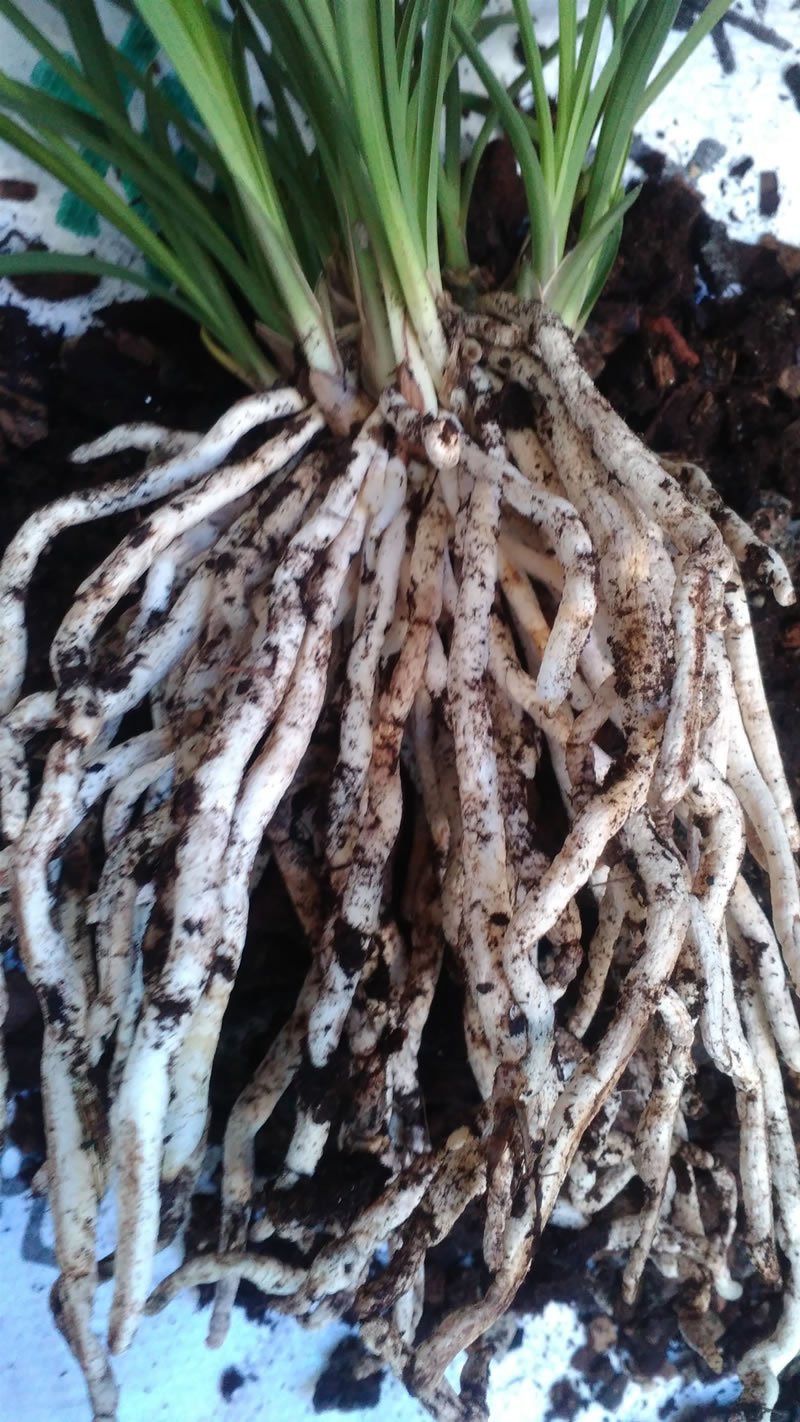
Orchid cultivation refers to the care process of using management measures such as potting mix ratios, watering, fertilizing, lighting and ventilation to let orchids grow healthily and bloom normally. Orchids are mostly epiphytic or terrestrial herbaceous plants, and their roots often live in symbiosis with orchid mycorrhizal fungi, so their requirements for the growing environment differ noticeably from those of ordinary flowers.
The potting mix is the foundation of orchid cultivation. Materials such as bark, Kanuma soil, tree fern fiber, sphagnum moss and leaf mold are commonly blended in certain proportions, and the mix must be loose and airy, drain well, and still retain some water and nutrients. Before use, new potting mix should preferably undergo secondary treatment such as washing, disinfection or soaking to reduce residual pathogens and insect eggs.
In daily care, watering follows the principle of watering when dry and letting it dry between waterings, preferring dryness over waterlogging, so as to avoid long-term water accumulation in the pot that suffocates the roots. Bright, indirect light is ideal; during hot, humid summer weather, shade, cooling and enhanced ventilation are needed, otherwise diseases such as stem rot and root rot are easily triggered. Fertilizing should be light and frequent, with appropriate nutrient supplements during the peak growing season and reduced or stopped feeding during dormancy.
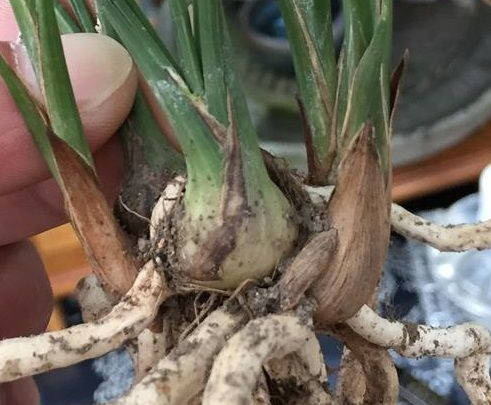
Division propagation inevitably creates wounds, so cut surfaces should be disinfected and air-dried before repotting, and keeping the environment clean and dry helps healing. When introducing new seedlings, choose strong plants with robust roots and intact leaves; after potting they go through a period of acclimatization, during which shading and controlled watering can noticeably improve the survival rate.
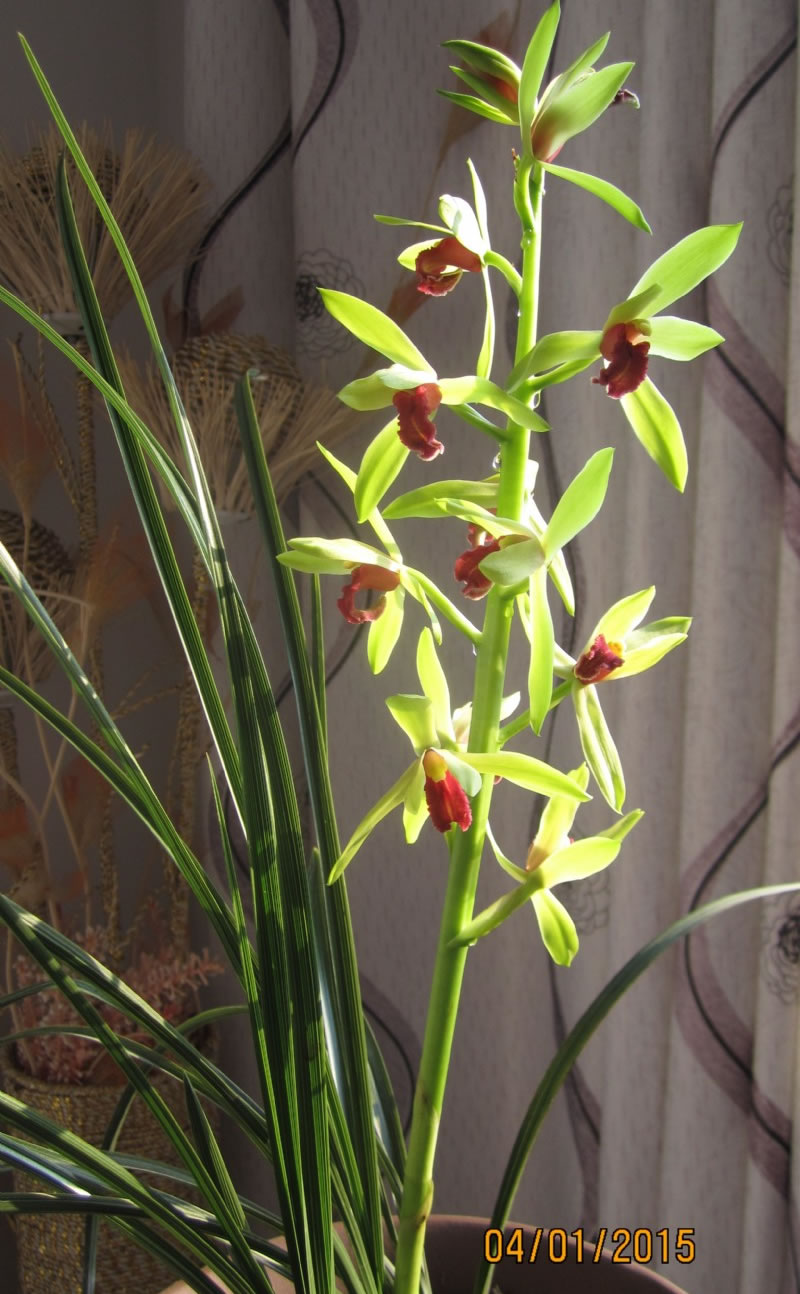
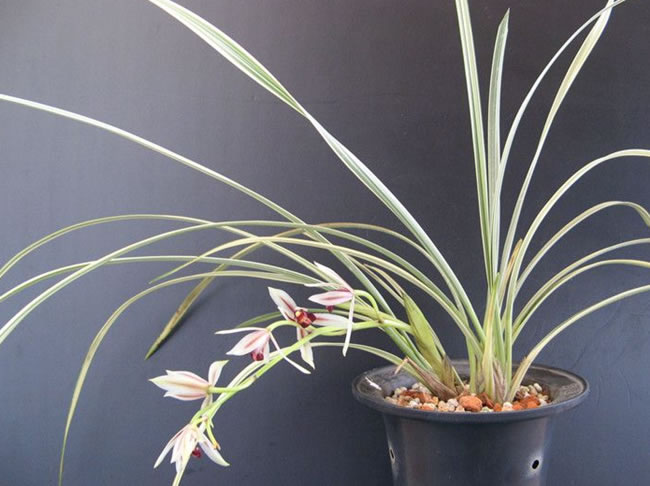
There are many orchid varieties, and in floral appreciation terms such as plain-color flowers and colored flowers are often used to distinguish flower color characteristics, while petal types and fragrance each have their own finer points. As long as the key steps of potting mix, water and fertilizer, and ventilation are done solidly, orchid cultivation is not mysterious, and its elegant flower forms and delicate fragrance are enough to reward the patience of the grower.
Related Reading