Orchid cultivation: key points of potting medium, watering and light
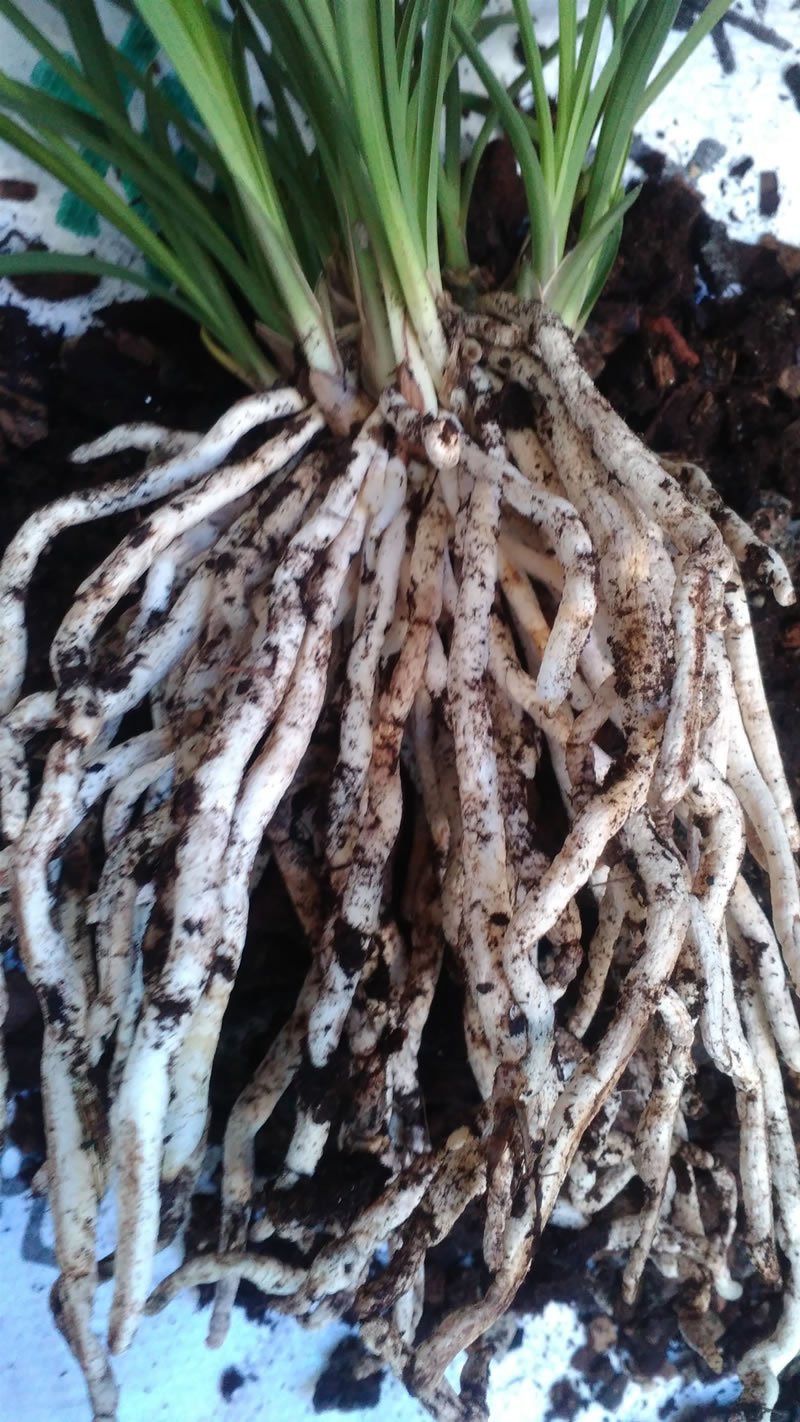
Orchid cultivation refers to the process of growing and caring for ornamental plants in the family Orchidaceae, covering multiple aspects such as potting medium selection, watering and fertilizing, light and ventilation. Orchid roots are mostly fleshy roots, and the plants prefer a loose, airy, slightly acidic growing environment, so their care differs noticeably from that of traditional herbaceous flowers. Common Chinese orchid species such as Cymbidium goeringii, Cymbidium faberi, Cymbidium ensifolium, Cymbidium sinense and Cymbidium kanran each have slightly different requirements for temperature and light.
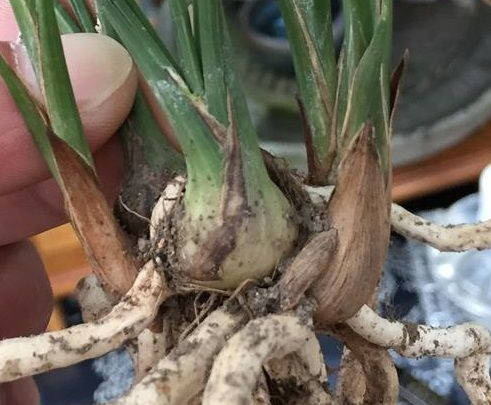
The potting medium is the foundation of orchid cultivation, commonly made from a mix of bark, Kanuma soil (also known as orchid stone), tree-fern fiber and leaf mold, and it is best disinfected or treated a second time before use to reduce residual pathogens and insect eggs. When potting, place a drainage layer at the bottom, let the roots spread out naturally, and set the planting depth so that the pseudobulbs are just slightly exposed. Wounds caused by repotting or division should be dried or coated with a fungicide, and normal care resumed only after they have healed, which can lower the risk of infection.
In day-to-day care, watering should follow the principle of letting the medium dry out before watering again, to avoid long-term waterlogging in the pot that causes root rot. In spring and autumn, soft, indirect light can be given; in summer, shade, cooling and stronger ventilation are needed, as a stuffy, hot and humid environment most easily triggers diseases such as stem rot and soft rot. Fertilizer should be applied in small amounts and often, with appropriate supplementary feeding during the peak growing season, while fertilizing should stop during dormancy.
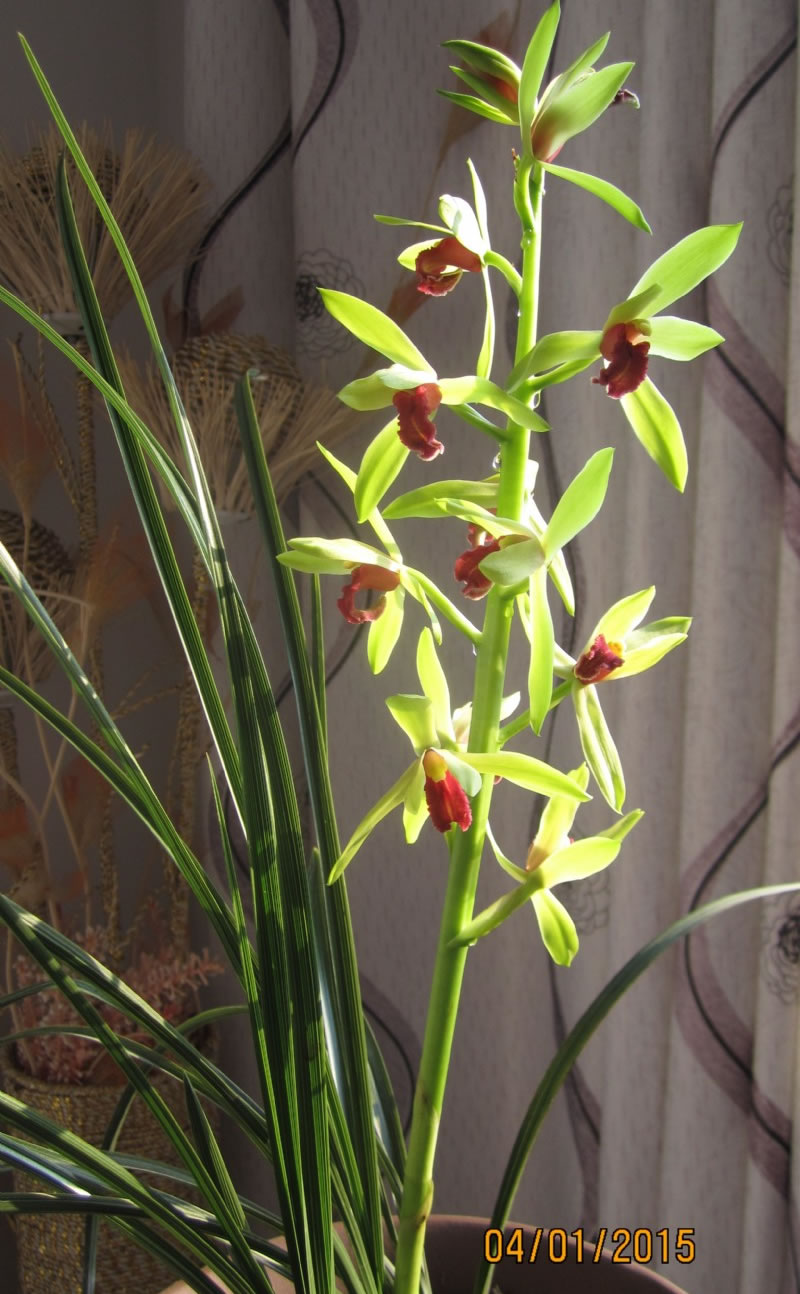
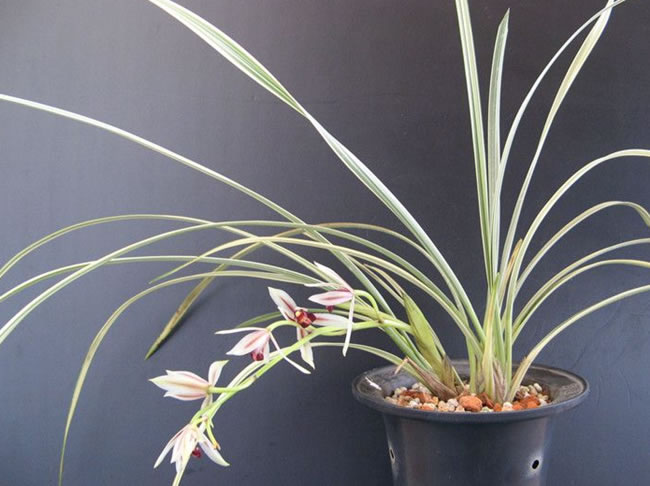
When introducing new plants, it is advisable to choose strong seedlings with robust roots and intact leaves, as both the survival rate and later growth are better assured. From an ornamental standpoint, orchids also have terms such as plain-color flowers, colored flowers and petal types, used to describe the appreciation features of flower color and flower shape. As long as you strike a balance among potting medium, water, light and ventilation, orchid cultivation is not mysterious, and beginners can also gradually build up experience through practice and grow healthy plants.
Related reading