Orchid Blooming Periods Vary by Variety, and Scientific Care Extends the Viewing Period
The orchid blooming period refers to the entire process from bud formation and scape emergence to the opening and fading of the flowers, usually centered on the time during which the flowers are open. The orchid family (Orchidaceae) is extremely diverse, and blooming periods vary greatly among different varieties. Even for the same variety, the timing may shift slightly depending on the growing environment and that year's weather.
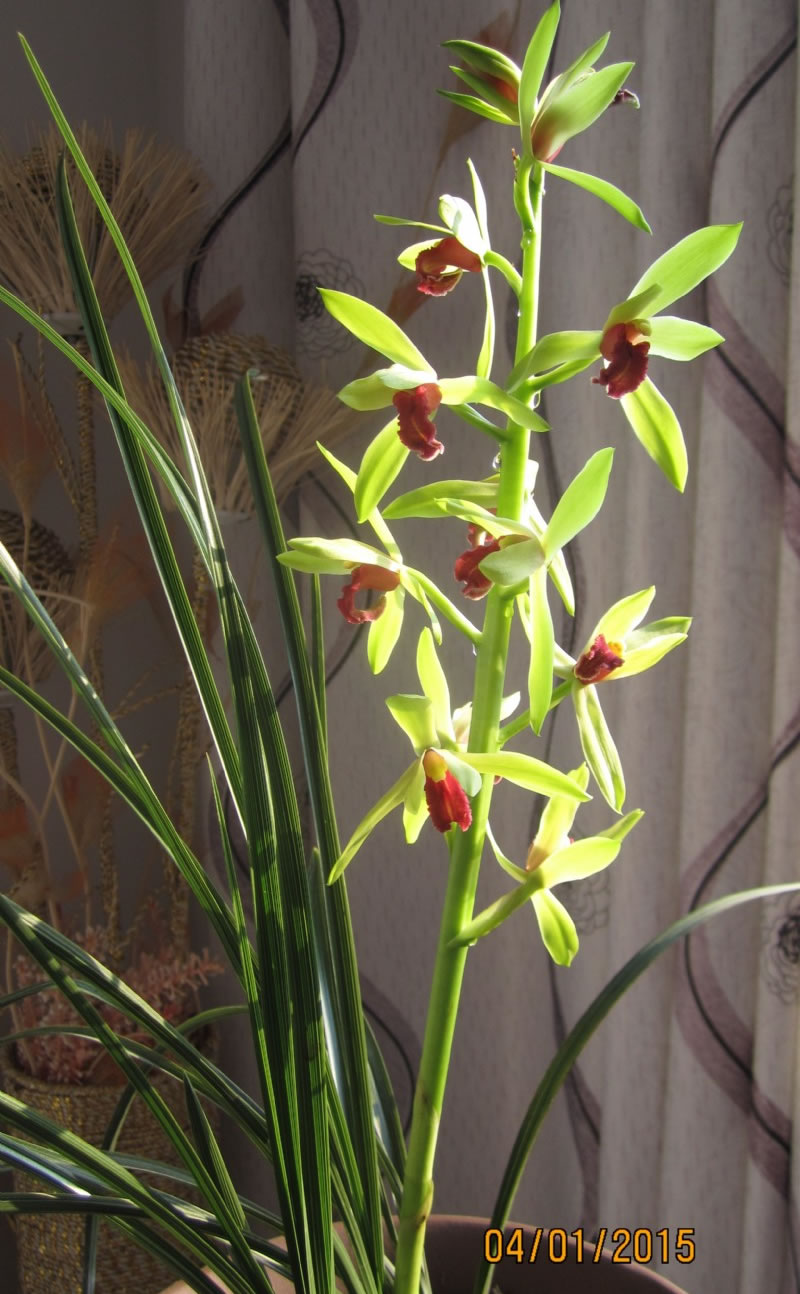
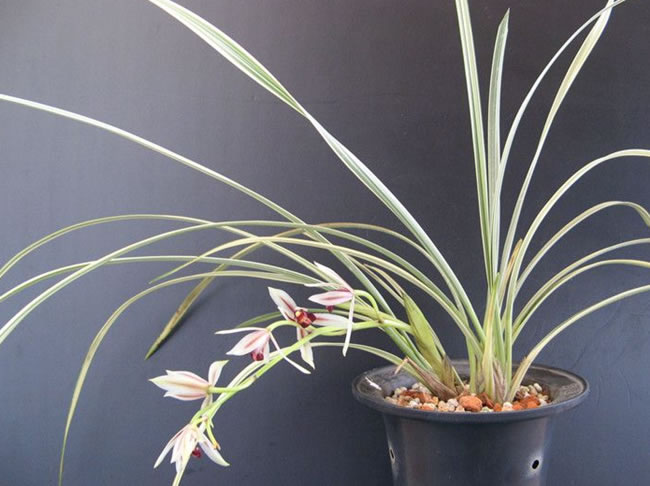
Among the common Chinese orchids (Cymbidium), Goering's cymbidium (Cymbidium goeringii) usually blooms in early spring, while Faber's cymbidium (Cymbidium faberi) is slightly later, concentrated in late spring; the sword-leaf orchid (Cymbidium ensifolium) blooms between summer and autumn, and some robust plants can even bloom several times a year; the cold orchid (Cymbidium kanran) and the ink orchid (Cymbidium sinense) tend toward the period from autumn and winter to early spring. A single flower generally remains ornamental for more than two weeks, and longer when conditions are suitable. Tropical orchids such as Phalaenopsis and Dendrobium also have their own blooming characteristics, and with proper management some can open in succession for several months.
Whether an orchid blooms successfully depends on plant maturity, nutrient accumulation and the stimulus of temperature differences. It is generally believed that ample but soft light, a reasonable day-night temperature difference in autumn, and a balanced supply of phosphorus and potassium all help flower bud differentiation and bud development. If the plant itself is weak or has long lacked light, even if it produces buds, the buds are prone to turning yellow, drying up and dropping.
Once the blooming period begins, the key to care is stability. During this stage, move the pot as little as possible, do not repot or divide the plant at will, keep the growing medium moist but not waterlogged when watering, and pay attention to ventilation to avoid stuffy, humid conditions that cause buds to mold and rot. Do not apply heavy fertilizer during flowering, and if you want to extend the viewing time, you should also prevent the flowers from being pollinated early, because once pollination is complete the flowers fade faster. If the goal is mainly to grow the plant, some orchid growers choose to cut off the flower scapes early so the plant can store nutrients and lay a good foundation for the next bloom.
Related Reading