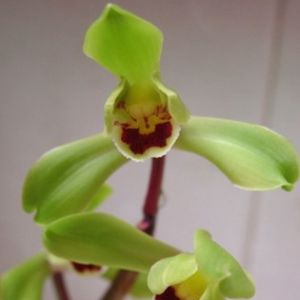
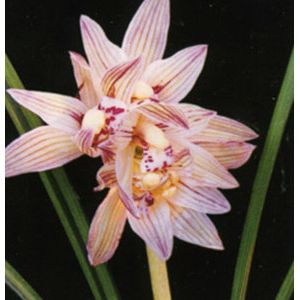
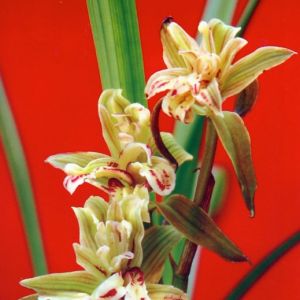
Golden Camellia is hailed as the queen of the tea family, and it can be enjoyed both as an ornamental and brewed as a tea to drink.
Golden Camellia generally refers to Camellia petelotii (golden camellia), an evergreen shrub or small tree in the genus Camellia of the family Theaceae, named for the rare golden-yellow color of its flowers when they bloom. It is mainly distributed in warm, humid regions such as Guangxi in China, its wild resources are scarce, and it is listed as a nationally key protected wild plant. In the floral world it enjoys the reputation of being the queen of the tea family.
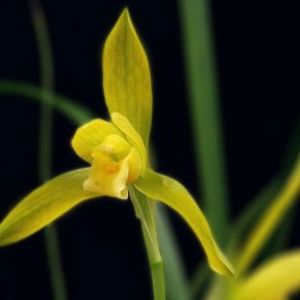
Its most striking feature is the flower color. Most camellias are mainly red, pink, or white, whereas the petals of the Golden Camellia have a waxy, glossy golden-yellow hue, which is very rare among plants of the genus Camellia. The flowering period is mostly concentrated from late autumn to early spring of the following year, and the golden-yellow flowers dotted among the glossy green foliage give it high ornamental value.
In terms of cultivation, the Golden Camellia prefers a warm, humid, semi-shaded environment and is suited to growing in well-drained, humus-rich acidic soil. For home growing, you can choose a loose, fertile, slightly acidic soil and place it in a spot with diffused light, avoiding direct scorching sun. Usually pay attention to maintaining air humidity, and water so that the soil dries out before watering again. For propagation, methods such as cuttings, grafting, or sowing are commonly used, among which cuttings and grafting are more widely applied in horticultural cultivation.
Besides being ornamental, the flowers and leaves of the Golden Camellia can also be used to make flower tea; after brewing, the liquor is clear and bright with a light fragrance, giving it a certain value for drinking. Because wild resources are strictly protected, most of the seedlings currently circulating on the market are artificially propagated, and when selecting and cultivating them you should pay attention to legal sources and avoid buying wild plants.