How to grow orchids? Master the growth patterns and choose the right time for division
The growth and development of orchids follow these patterns:
1. The grand growth cycle. The organs of an orchid, or the entire clump, show a "slow-fast-slow" cycle in growth. In fruit tree cultivation, pruning during the peak growth period (called "reverse growth pruning") triggers new and more vigorous growth. If orchids are left undivided for too long, the entire clump may age, and the propagation rate tends toward zero. This is similar to reverse growth pruning in fruit trees; division can bring the orchid clump into its peak growth phase.
2. Seasonal cycle. The buds, leaves, roots and pseudobulbs of orchids show distinct seasonal cycles.
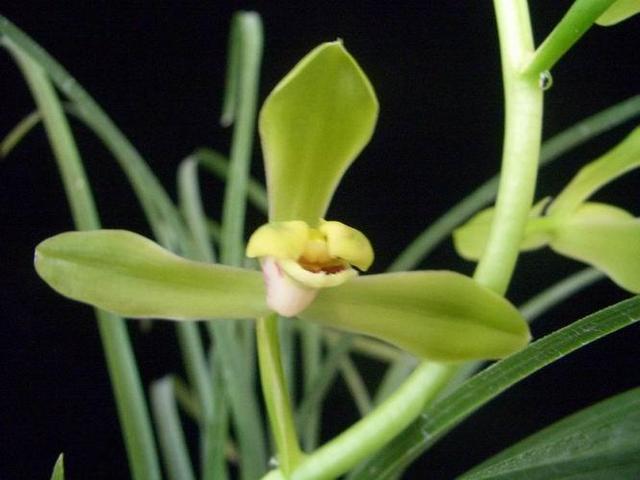
3. The correlation between roots and leaves. Roots and leaves promote each other, but also inhibit each other. If an old plant with remnant leaves is divided off, it can be planted for a long time without producing buds. If the old leaves are cut off, new buds are instead stimulated to sprout. At this point the old pseudobulbs generally produce few or no new roots, because pruning the above-ground part slows the growth of the below-ground part and promotes the growth of the above-ground part.
4. Apical dominance. The orchid buds that tiller each year all appear on the newest generation.
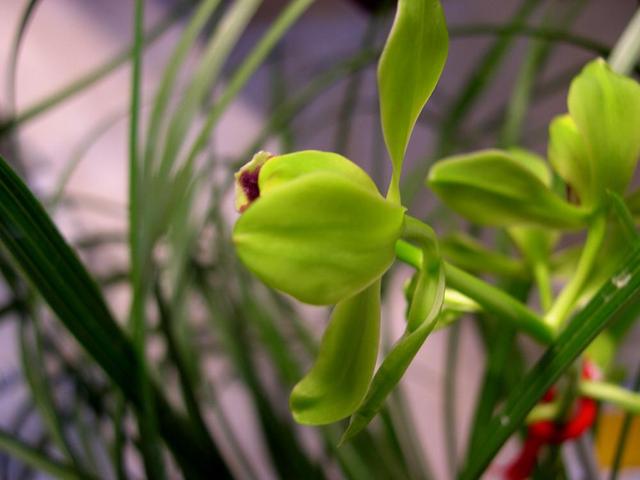
5. The correlation between vegetative organs and reproductive organs. This correlation also manifests as mutual promotion and mutual inhibition. In this regard, there is a saying that "vegetative growth should be strong but not excessive."
The above are the growth patterns of orchids, and they provide guidance for choosing the timing of division. If the purpose is production, then more divisions can be made, down to single plants. If flowering is desired, then 5-6 plants per clump is suitable; at this time fewer buds sprout, but each bud is sure to be strong, completing vegetative growth in the early and middle stages of the growing season, and accumulating nutrients in the late stage.
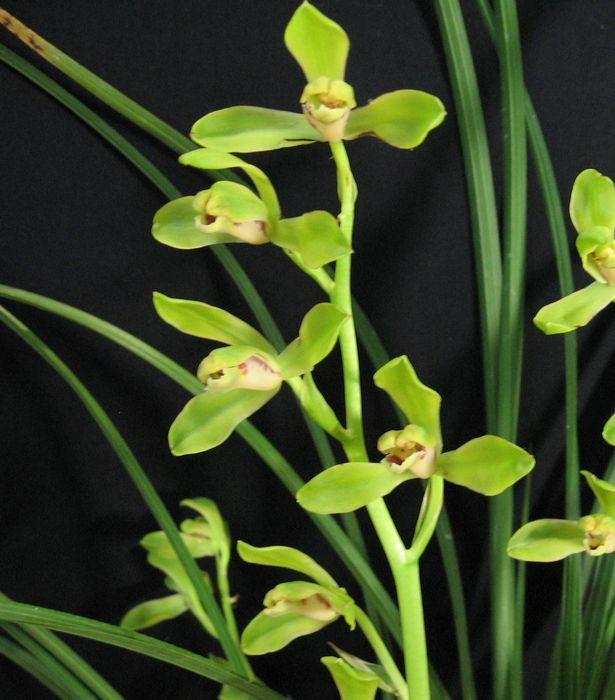
For two consecutive generations of orchid plants, dividing early benefits the mother plant, while dividing late benefits the offspring. Sometimes division can be done without repotting: remove the surface soil, grasp the two pseudobulb bases with both hands, and twist gently. You can hear a faint "pop" sound, and the pseudobulb bases loosen without breaking apart. The loosened pseudobulb bases have very little nutrient exchange left, and the buds on both sides have apical dominance. This "operation" is simple and practical for old plants with few or no roots, or even for sprouting leafless pseudobulbs, and it also avoids the trouble of unstable orchid plants caused by few or no roots. This is a "secret family recipe" I got from a flower farmer.
Thank you for your patient reading; reading takes you to a higher level. Also, if you have any thoughts or opinions, you are welcome to post them in the comment section below. Everyone is welcome to comment, bookmark or share! Click the word "Follow" and you will be able to read more articles on orchid growing techniques and experience, and questions can be answered via private message!
Disclaimer: The above content comes from the WeChat public account Lanyou Zhijia; please contact us for reprinting.