Characteristics and Care Guide of the Rare Wild Orchid Guizhou Dibaolan
Guizhou Dibaolan is a perennial terrestrial herb of the genus Geodorum in the orchid family Orchidaceae, mainly distributed in shady, moist places under forest, in thickets or on hillsides in Guizhou and other parts of China. It is not one of the familiar Chinese cymbidium types such as Chunlan (Cymbidium goeringii) or Huilan (Cymbidium faberi), but rather a relatively uncommon member of the genus Geodorum, with scarce wild resources, and it is a protected rare orchid.
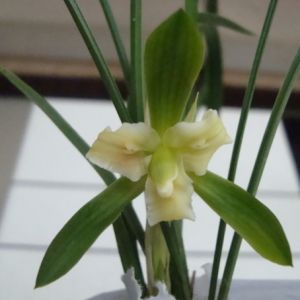
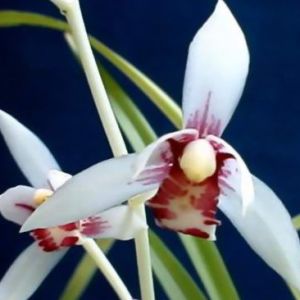
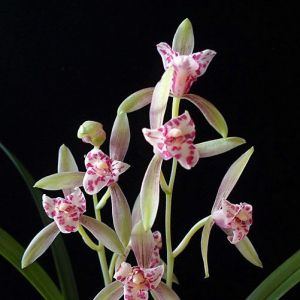
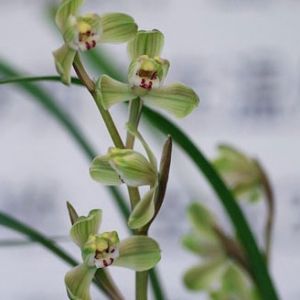
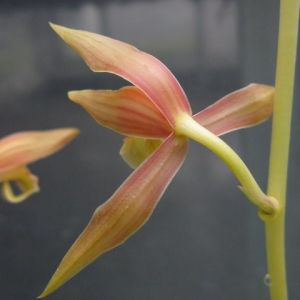
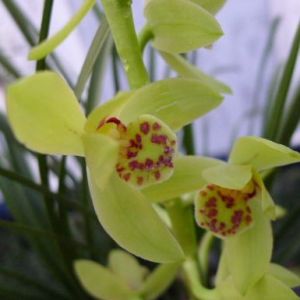
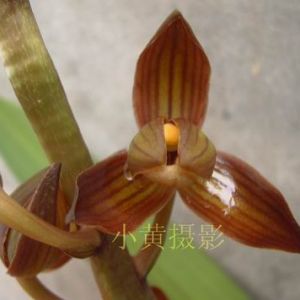
In terms of morphology, Guizhou Dibaolan has the pseudobulbs typical of the genus Geodorum, with broad, thin leaves whose surfaces often show fan-like pleats. It usually flowers in summer, with the scape emerging from the side of the pseudobulb and its tip often curving downward, bearing several to more than ten flowers; the flower color is mostly white or slightly pinkish, the lip is well developed, and some plants carry a delicate fragrance, giving the whole flower an especially distinctive appearance.
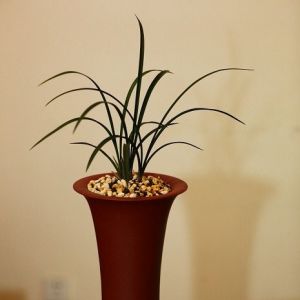
As for care, it prefers a warm, humid, semi-shaded environment and dislikes intense direct sun and waterlogged potting soil. For cultivation, choose a loose, breathable, well-drained humus substrate, keep the environment ventilated daily, water moderately during the growing season and supplement with dilute fertilizer, while reducing water and fertilizer in winter or during dormancy to help the plant store nutrients and overwinter successfully.
It should be especially noted that wild Guizhou Dibaolan is protected by relevant laws and regulations, and digging up or buying and selling wild plants without authorization is illegal; enthusiasts should obtain artificially propagated seedlings through proper channels. In addition, it differs from closely related species such as Dibaolan (Geodorum densiflorum) in the same genus in distribution range and floral details, so attention to identification when viewing or collecting adds further educational and conservation value.