Characteristics of the Olympic Flame Orchid Variety and How to Care for It
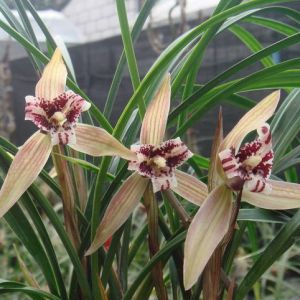
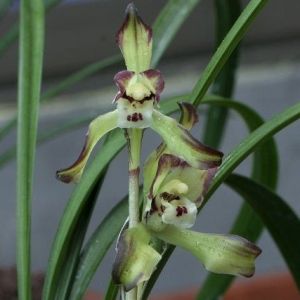
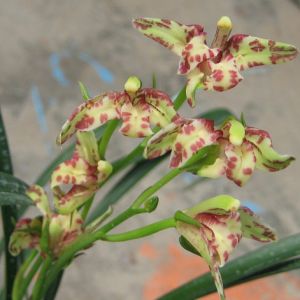
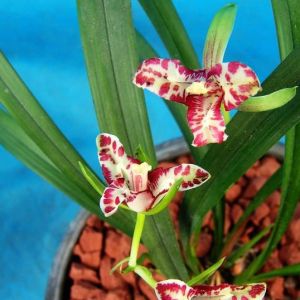
Olympic Flame is a horticultural variety of the genus Cymbidium in the orchid family (Orchidaceae). In orchid circles it usually refers to a red-flowered variety of the lotus-petal orchid (Cymbidium tortisepalum var. lianban), and because its flowers are as red and vivid as flames, it was named after the festive image of the Olympic flame. Note that it has no connection with the actual Olympic torch flame in the sporting sense; on this site it is catalogued mainly as an orchid variety entry. In appearance, Olympic Flame has the typical morphological features of Chinese orchids (guolan), with slender, leathery leaves that mostly stand at an angle or droop halfway. When it blooms, the flowers are bright red with a fine, delicate petal texture, and some individual plants carry a light fragrance. The flowering period is mostly concentrated in winter and spring, giving it strong ornamental value, and it is fairly popular at orchid shows and as a potted plant at home. Quite a few varieties in orchid circles are named after the sacred flame; besides the lotus-petal orchid Olympic Flame, there are also Sacred Flame Spring Orchid, Sacred Flame Jian Orchid, and Five Blessings Sacred Flame Jian Orchid, which belong to different orchid types and each have their own distinctive flower shapes and leaf postures. When buying, you can tell them apart by leaf form, flowering period and petal type, or consult the related entries on this site for comparison. As for care, Olympic Flame has habits similar to other Chinese orchids: it likes loose, airy, slightly acidic potting medium, and should normally be placed in a well-ventilated spot with scattered light. Water according to the principle of letting the medium dry out before watering again; during the growing season, apply light fertilizer frequently; in summer, provide shade and cooling; in winter, keep it appropriately warm; and reduce moving it around before and after flowering, which helps it bloom normally and extends the viewing period.