97 Jipin Orchid Variety: Characteristics and Care Methods Explained in Detail
97 Jipin is a variety name in the collection of Chinese Cymbidium orchids (guolan), commonly seen in discussions of petal-type flowers among orchid species such as Chunlan (Cymbidium goeringii) and Huilan (Cymbidium faberi). The "97" is generally believed to be a year number related to the selection or registration of this variety, while the two characters "jipin" (meaning "top grade") reflect orchid enthusiasts' recognition of its floral quality.
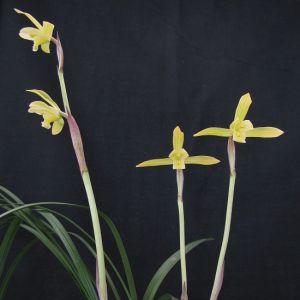
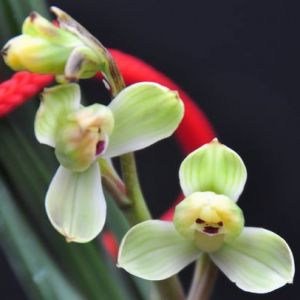
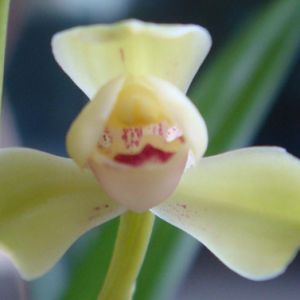
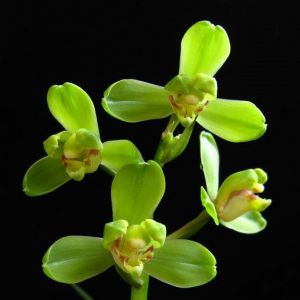
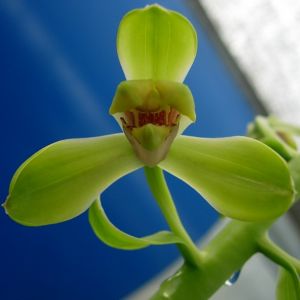
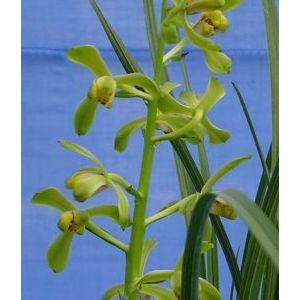
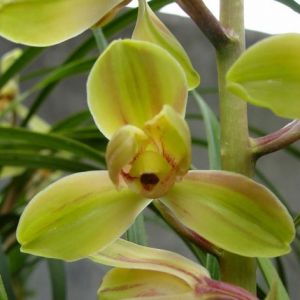
From an ornamental perspective, petal-type flower varieties of this kind usually take as their key points a tall, upright flower scape, outer petals that taper at the base and flare at the corners, rounded and neat inner petals, and a spreading lip, with a fragrant scent that is delicate and long-lasting when in bloom. Orchid enthusiasts often compare it with traditional famous varieties such as Lao Jipin and Jiangnan Xin Jipin; they differ somewhat in the depth of flower color and in petal-shape details, and specific identification still requires combining leaf posture and bud form for a comprehensive judgment.
In terms of care, 97 Jipin has habits similar to other Chinese Cymbidium orchids, preferring loose, breathable, slightly acidic potting media; in practice, materials such as bark and Kanuma soil (plant gold stone) are often mixed together. Daily management should maintain good ventilation and ample diffused light, and watering should follow the principle of letting the medium dry before watering again, avoiding long-term water accumulation in the pot that can cause root rot. During the growing season, apply light fertilizer frequently, and appropriately control water during the flower bud differentiation stage, which is beneficial for bud development and normal flowering.
For orchid enthusiasts who want to acquire this variety, distinguishing authenticity is a common issue. Because there are so many names for Chinese Cymbidium varieties, the same name sometimes refers to different plants in different regions; it is recommended to observe the flowers during the blooming period as much as possible, or refer to reliable flowering photos, and compare from multiple sources before deciding to acquire it, which can reduce the risk of mistaken purchases.
Related Reading